Two police officers face a gross misconduct investigation after the fatal arrest of 18-year-old Henry Nowak, who died from a stab wound moments after being handcuffed.
The Independent Office for Police Conduct (IOPC) announced that the two Hampshire and Isle of Wight Constabulary officers, who were the first to arrive at the scene in Southampton, are under investigation for potential breaches of professional behaviour standards. The alleged failings centre on their failure to recognise that Nowak needed urgent medical attention, their decision to arrest and handcuff him rather than provide first aid, and their lack of immediate action after he repeatedly said he had been stabbed and could not breathe.
Gross misconduct investigation
The IOPC said the evidence indicates both officers may have breached the standards of duties and responsibilities, use of force, and discreditable conduct. One of the officers may also have breached standards relating to authority, respect and courtesy by apparently dismissing Nowak’s repeated claims that he had been stabbed.
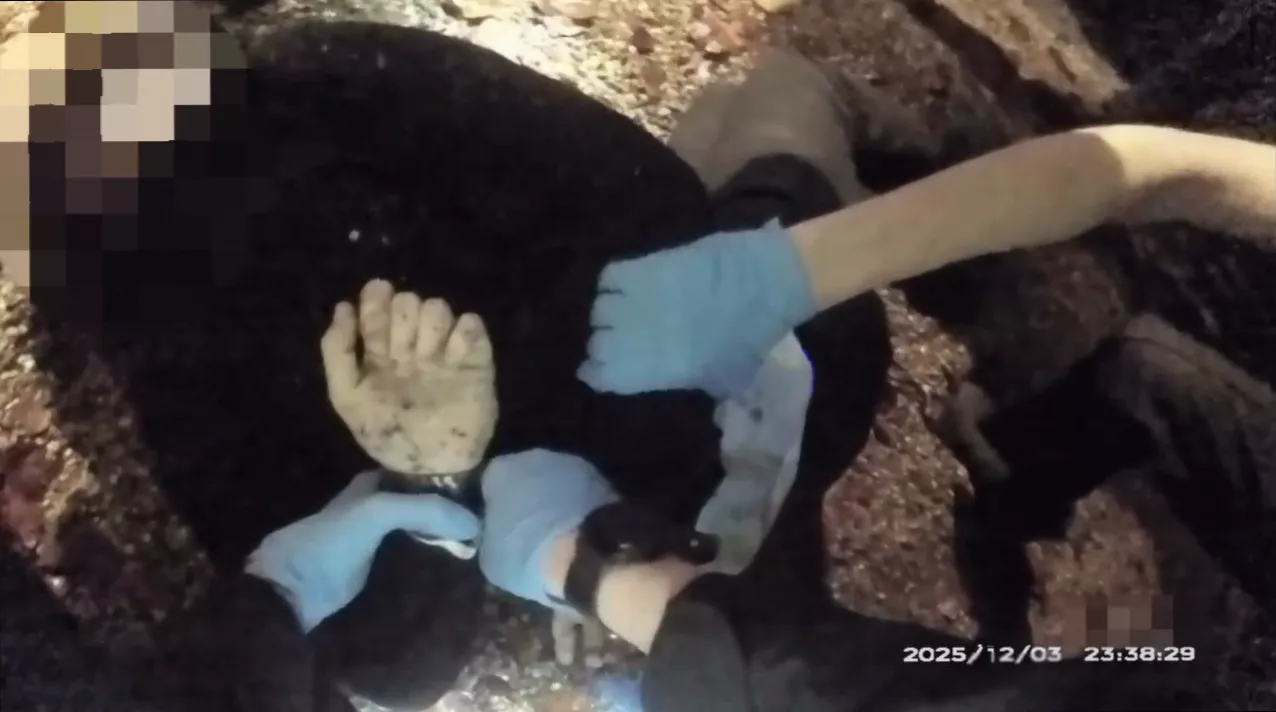
Body-worn video footage released after the incident showed Nowak being handcuffed moments before he became unconscious and subsequently died. A transcript of the footage reveals that it took officers approximately eight minutes to discover the stab wound. During that time, Nowak – an 18-year-old university student walking home from a night out with friends – stated he had been stabbed and could not breathe.

Derrick Campbell, IOPC director of engagement, said: “There is clear evidence that public confidence in the force may have been seriously harmed by this incident, and that is a factor we must consider when assessing the evidence.” He stressed that the serving of gross misconduct notices does not automatically mean disciplinary proceedings will follow; the IOPC will decide at the conclusion of its investigation.
The investigation was widened after formal complaints were made about the force. Nowak’s father, Mark Nowak, described his son’s treatment by police as “inhumane and degrading” but thanked the murder investigation team. The family has called for knife crime to be treated as a national emergency and urged that Henry’s death not be used to create further division.
Wider inquiry into prejudice
The IOPC is also investigating whether the race or religion of either Henry Nowak or Vickrum Digwa – the man convicted of his murder – impacted on the actions and decision-making of the officers. It is examining whether officers’ decisions were influenced by assumptions or prejudice relating to community tensions at the time.
Digwa, 23, was jailed for life with a minimum term of 21 years on 1 June after a jury rejected his false claim that Nowak had racially abused him and pulled off his turban. Digwa had carried a 21-centimetre dagger, which he claimed was for religious reasons as part of his Sikh faith; the judge noted a “weapon obsession”. Nowak was stabbed five times, including a fatal wound to the chest and two stab wounds to his legs, on 3 December 2025.
Digwa’s sentence has since been referred to the Court of Appeal as potentially unduly lenient. The IOPC’s broader investigation aligns with its ongoing work on race discrimination in policing, including concerns about “adultification bias” – where children and young people from ethnic minority backgrounds are perceived as older or more streetwise. The officers’ decisions are being scrutinised in that context.
The IOPC has updated Henry Nowak’s family on its investigation, which continues to gather evidence. Campbell added: “We are obliged to constantly review the evidence obtained throughout our investigations and assess any indications of potential misconduct for officers involved.”