UK public health experts have touched down in the Democratic Republic of Congo to reinforce efforts against the escalating Ebola outbreak, the UK Health Security Agency has confirmed. The deployment, led by the UK Public Health Rapid Support Team (UK-PHRST), brings seven specialists to the region as the outbreak spreads to a fourth province and threatens further cross-border transmission.
The current outbreak, declared on May 15 and caused by the Bundibugyo virus – a species of Ebola for which no approved vaccines or therapeutics exist – has already confirmed more than 1,300 cases and at least 370 deaths in the DRC, with a further 20 cases and two deaths reported in neighbouring Uganda. The World Health Organization designated it a public health emergency of international concern on May 17, citing active transmission and the risk of wider regional spread. Ituri Province remains the epicentre, but the virus has now reached Haut-Uele province, which borders South Sudan and the Central African Republic, heightening fears of further incursions.
The expertise on the ground
The team – a partnership between the UK Health Security Agency and the London School of Hygiene & Tropical Medicine, established in 2016 after the West Africa Ebola epidemic – comprises specialists in four critical disciplines. Epidemiologists will track transmission chains and identify new cases, while data modellers will help forecast the outbreak’s likely trajectory and inform resource allocation. Infection prevention and control experts are to work alongside frontline health workers to strengthen barrier techniques, decontamination procedures and safe burial practices, all essential to breaking the chain of infection. Risk communications and community engagement officers will focus on building trust and ensuring accurate information reaches affected populations, a task made more urgent by the socioeconomic disruption the outbreak is already causing.
Dr Edmund Newman, director of the UK-PHRST, said the deployment “will help strengthen the existing response to the Ebola outbreak in the DRC and across the region”. The team brings substantial prior experience: members have undertaken ten deployments to Eastern DRC during the 2018–2019 North Kivu outbreak, and their work is now underpinned by a renewed and expanded academic research consortium led by the London School of Hygiene & Tropical Medicine, concentrating on applied research in epidemic preparedness and response.
Broader context and UK commitment
The UK has committed up to £21 million to support the government-led response in the DRC, with a stated focus on protecting frontline workers and vulnerable communities. The financial package is intended to support a locally led response, acknowledging that the outbreak’s impact extends far beyond health. A United Nations Development Programme assessment warns that the epidemic could push nearly one million more people into poverty in the DRC and neighbouring countries, eliminate tens of thousands of jobs and cost African economies up to US$3.6 billion as travel and trade restrictions bite.
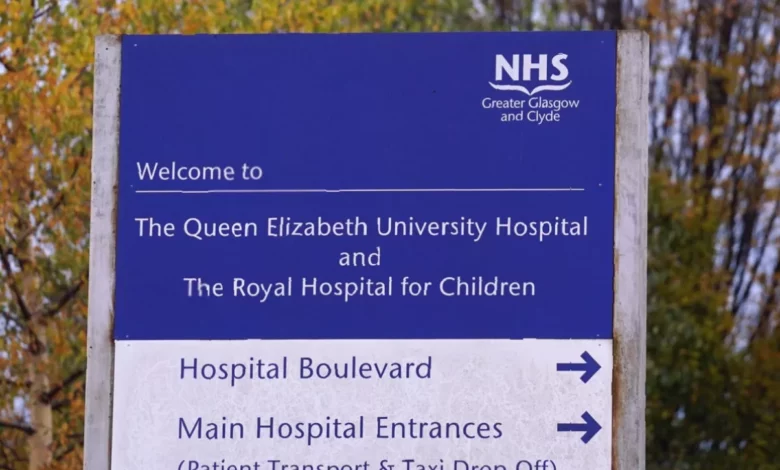
Public Health Scotland and NHS boards have well-established protocols for assessing travellers arriving from affected areas, and the UK Health Security Agency works closely with Scottish authorities to monitor entry routes. The risk to the general public in the UK remains low, the agency says, because the NHS has safe procedures in place for detecting and managing potential cases. Precautionary testing and contact tracing are implemented where necessary. Ebola is not airborne; it spreads through direct contact with blood or bodily fluids of an infected person or with contaminated surfaces. Symptoms typically appear 2 to 21 days after exposure – most often within 8 to 10 days – and include fever, fatigue, headache, muscle pain, vomiting, diarrhoea and, in severe cases, internal and external bleeding. Historical case fatality rates have ranged from 25% to 90%, averaging around 50%, though modern supportive care can significantly lower that figure.
Ebola cases in the UK have been rare. Since the disease was first identified, there have been four confirmed cases: three healthcare workers returning from West Africa during the 2014–2015 epidemic, and a laboratory technician who contracted the virus through a needlestick injury in 1976. All recovered. Glasgow itself has a notable history with the disease: nurse Pauline Cafferkey was diagnosed with Ebola in the city in December 2014 after returning from Sierra Leone, and later made a full recovery after the virus resurfaced in 2016.