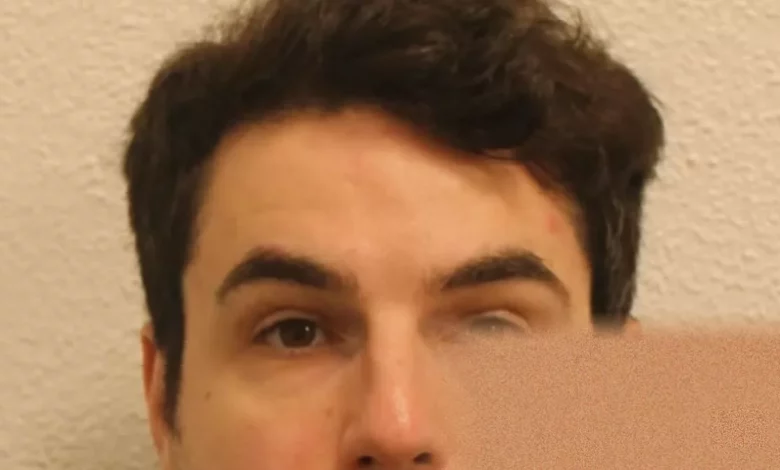
A Southwark man pocketed more than £77,000 from dozens of prospective renters after advertising a flat he did not own on Facebook, police have said.
Frederic James Priestley, 34, of Leathermarket Court, Southwark, targeted victims through housing groups on the social media platform between April and September last year. He provided fabricated tenancy agreements and collected deposits and rent payments, even though the property was never his to let and was never available.
How Priestley Exploited His Victims
The Metropolitan Police said Priestley’s fraud depended on convincing paperwork and a stream of calculated excuses. After receiving payments, he would contact the victims with reasons why the rental could not proceed, including false claims that there had been deaths in his family. One victim reported that Priestley admitted the flat had never been available because of a gambling addiction, and said he wanted to return the money — though no repayments were made.
Detective Constable Abimbola Emiola, of the Met’s economic crime team, said: “Priestley exploited people who were simply looking for somewhere to live, using convincing paperwork and false reassurances to make his scheme appear legitimate.”
The fraud was not a one-off. Priestley operated over several months, taking payments from more than 30 people. The total amount he received exceeded £77,000, with individual victims typically losing between £800 and £2,000 in deposits and associated fees. Police financial enquiries revealed a “systematic and sustained pattern of fraudulent offending”.
The sums involved placed the case within the harm categories of the sentencing guidelines — Category 3 (losses of £20,000 to £100,000) or Category 2 (£100,000 to £500,000), depending on the precise figure used by the court — reflecting the seriousness of the offending.
Rental scams of this kind are a growing problem across the UK. Action Fraud has previously reported that rental fraud losses reached nearly £9 million in the year to March 2025, affecting around 5,000 cases. Young people aged 18 to 39, including students and young professionals, are disproportionately targeted. Common tactics include advertising properties that do not exist, using stolen photographs, offering below-market rents to create urgency, and demanding upfront payments before any viewing. Priestley used several of these methods — communicating through Facebook, pressing victims to transfer deposits to accounts he controlled, and providing fake tenancy paperwork to make his scheme appear legitimate.
The impact on victims went beyond financial loss. In victim statements gathered by police, one international student described severe anxiety and loss of appetite after being left without accommodation in a new country.
Police Investigation and Court Sentence
The Metropolitan Police were alerted after Action Fraud received 34 separate reports concerning the same Southwark property in September last year. Officers launched a financial investigation and carried out mobile phone analysis, extracting call logs, messages, internet browsing history and location data. Victim statements were also central to building the case.
Priestley was arrested in October 2025 on suspicion of fraud. He pleaded guilty at Croydon Magistrates’ Court on 15 April 2026 to one count of fraud by false representation, contrary to section 2 of the Fraud Act 2006 — an “either way” offence that can be heard in the Crown Court and carries a maximum sentence of ten years’ imprisonment.
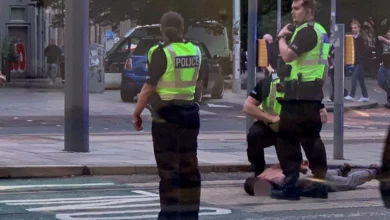
On Friday 12 June 2026, at Inner London Crown Court, Priestley was sentenced to two years and 11 months in prison. DC Emiola said after the hearing: “This was not an isolated incident, but a sustained fraud carried out over many months, affecting dozens of victims and causing significant financial and emotional distress. This sentence demonstrates that we will pursue those who abuse online platforms to commit fraud. We encourage anyone who believes they may have been a victim to report it as soon as possible.”