
A GCSE Spanish revision guide has sparked outrage among gender-critical campaigners, who accuse the education publisher Pearson of attempting to “indoctrinate” pupils with pro-trans messaging. The controversy centres on a phrase included in a textbook designed for 15- and 16-year-olds preparing for their Edexcel Spanish examination.
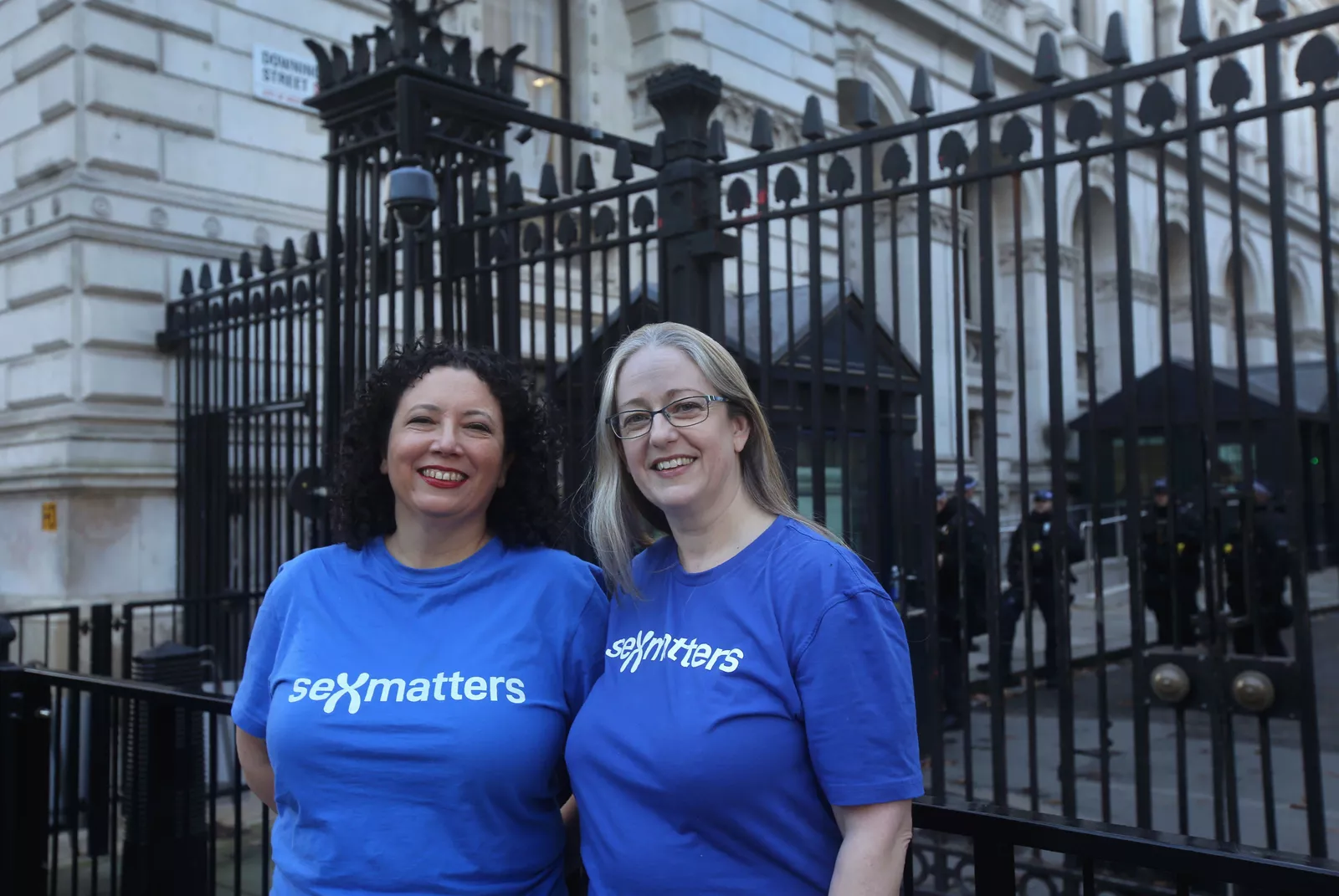
Helen Joyce, director of advocacy at the gender-critical charity Sex Matters, said the material “presents trans activism as virtuous to students”. She argued that while other suggested sentence completions in the guide remained vague, the reference to transgender rights was notably specific. Kate Barker, chief executive of the LGB Alliance, described the approach as “incredibly inappropriate”, accusing Pearson of “sneaking” a contested political issue into the classroom “via foreign language textbooks”.
The contested phrase appears in a higher-level exam preparation section that teaches students how to construct sentences beginning with “I follow/admire him/her because” in Spanish. Among the suggested completions is the line “he/she fights/fought for transgender rights” — rendered in the guide as “lucho/luchó por los derechos de las personas transgénero”. This sits alongside more general options such as “he/she is a good role model” and “he/she supports other people”. Approximately 27,000 students sat the Pearson Edexcel Spanish GCSE last year.
Pearson has defended the content, insisting that the phrases are “optional examples” and “illustrative”, not mandatory responses that students are expected to memorise or reproduce in their examinations. The company said the vocabulary is intended to help pupils develop communication skills in “real-world contexts” and represents language they might encounter.
This is not the first time the publisher has faced scrutiny over its language examination materials. Pearson’s specifications for GCSE French, Spanish and German already permit students to use gender-neutral pronouns, nouns and adjectives, employing alternative spellings with symbols such as asterisks, colons and underscores to convey “non-binary identity”. The former French education minister Jean-Michel Blanquer previously labelled that guidance “absurd”, noting that such inclusive terminology is rarely used in France.
Previous concerns and wider context
Pearson’s past collaboration with the LGBT charity Stonewall has also drawn attention. In 2018, Stonewall helped the publisher develop editorial guidelines on LGBT inclusion in its publications, and Pearson sponsored Stonewall’s “Creating an LGBT-Inclusive Curriculum” document. That partnership ended two years ago.
The latest controversy occurs against the backdrop of a landmark UK Supreme Court ruling issued in April 2025. In the case of For Women Scotland Ltd v The Scottish Ministers, the court unanimously declared that the term “sex” in the Equality Act 2010 refers to biological sex — the sex assigned at birth. The ruling clarified that this interpretation does not remove protections for transgender people, who remain protected from discrimination under the characteristic of “gender reassignment”. However, it has significant implications for single-sex spaces and services, with subsequent guidance suggesting these should be based on biological sex.
The Department for Education has been developing updated guidance for schools on Relationships, Sex and Health Education and on supporting gender-questioning children. Current DfE guidance advises that while schools should teach the facts and law about biological sex and gender reassignment, staff should not “endorse a particular view or teach it as fact” regarding gender identity, describing it as an area of “significant debate”. New statutory guidance, to be integrated into the “Keeping Children Safe in Education” framework, is set to reinforce the protection of single-sex spaces and require accurate recording of a child’s birth sex.
John Denning, head of education at the Christian Institute, urged Pearson to “take decisive action to root out this ideology, or schools will no longer be able to trust it, either as an education publisher or as an exam board”.