Teenage boys reading books for younger children as girls advance more quickly, review shows

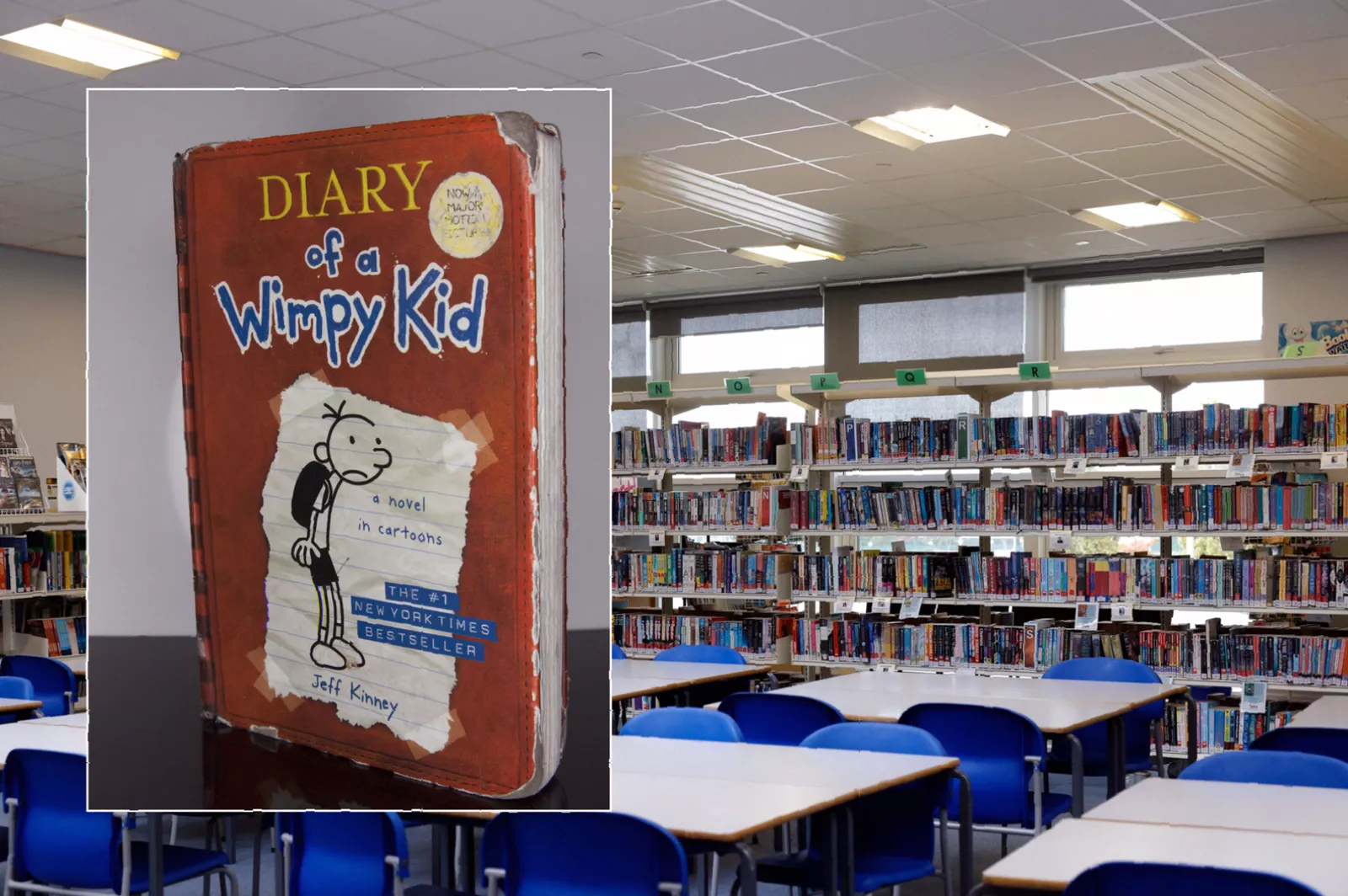
Boys aged 11 to 14 are reading books written for primary school pupils, according to a major new study that reveals a striking lack of progression in their reading material. The 18th edition of the What Kids Are Reading report, produced by the educational assessment provider Renaissance, finds that Jeff Kinney’s Diary of a Wimpy Kid series – aimed at readers aged eight and above – occupies eight of the top ten most-read titles among boys in Years 7 to 9. The remaining two spots go to The Hunger Games and Harry Potter and the Philosopher’s Stone.
The report tracked 23 million books read by nearly 1.1 million children across the UK and Ireland during the 2024‑25 academic year. At the primary level the pattern is even more pronounced: Diary of a Wimpy Kid accounts for nine of the top ten books read by boys in Years 3 to 6. The series, which follows the comedic misadventures of the lazy schoolboy Greg Heffley, now comprises 21 main titles, a spin‑off and film adaptations. Its simple sentence structures and conversational vocabulary make it highly accessible, but experts warn that its dominance among secondary‑age boys signals a worrying stall in reading development.
Girls move on to young adult fiction
The contrast with female readers of the same age is stark. Girls in Years 7 to 9 have largely transitioned to young adult fiction. Their favourite titles include Alice Oseman’s Heartstopper – a graphic novel series recommended for ages 12–17 that explores first love, friendship and LGBTQ+ identity – Holly Jackson’s A Good Girl’s Guide to Murder (for readers aged 14 and up, dealing with mature themes) and Katie Kirby’s Lottie Brooks series, aimed at ages 9–12 and focusing on relatable preteen experiences. They also read The Hunger Games and Harry Potter.
Research from the National Literacy Trust (NLT) shows that reading enjoyment and daily reading among children and young people in the UK have reached a 20‑year low, with the steepest drops occurring during early adolescence. The gap between boys and girls widens as they get older. By ages 14 to 16, under 10 per cent of boys read daily – 9.8 per cent – compared with 17.6 per cent of girls. Enjoyment levels are similarly disparate: 18.8 per cent of boys aged 14–16 say they enjoy reading, against 37.7 per cent of girls. The NLT describes boys’ reading habits as “especially fragile” during adolescence, often sustained by habit, routine or perceived usefulness, and therefore more vulnerable to disruption as routines change.
Expert opinions: a call to action
Bernadetta Brzyska, head of research at Renaissance, said the findings demonstrated that engagement matters more than reading volume alone. “Children read best when they read what they love, and that is the thread running through this year’s report,” she said. “The task it sets for schools is twofold: to keep widening what boys are offered so they don’t stall on a single series, and to trust children’s own choices, because the books they pick are the ones they finish and understand.” She emphasised that popular series such as Diary of a Wimpy Kid serve a purpose in attracting reluctant readers, but schools must consider how to move pupils toward more demanding texts.
Martin Galway, head of professional learning and partnerships at the National Literacy Trust, described the widening gap in secondary schools as “a clear call to action”. He said: “Too many young people are ‘stuck’ or disengaging from reading altogether, often because they have not yet found books that feel relevant, accessible or inspiring.”
The Department for Education’s national year of reading campaign, run jointly with the National Literacy Trust, has identified teenage boys as the demographic requiring the most support. The campaign, which uses the slogan “Go All In”, aims to connect reading to young people’s existing passions and interests.
Why boys might be stuck on simpler reading material
Several factors help explain why so many boys in secondary school remain wedded to books designed for primary pupils. Teachers cite schoolwork, screens and sports as activities crowding out reading time for teenagers. A YouGov survey of 1,013 teachers in February revealed that nearly nine in ten teachers believe screen time is a major challenge to children’s reading. The same survey found that 82 per cent of teachers worry that children do not receive enough reading support at home. Concentration and attention problems are also identified as significant hurdles.
The NLT’s research highlights that boys aged 11–16 primarily read to learn about new things and new words, whereas girls of the same age read to relax, escape and learn new vocabulary. This suggests that boys may need a more purposeful, interest‑driven approach to reading. When boys are given autonomy over what they read and the material aligns with their hobbies – such as sport, gaming or science – they are far more likely to engage. Initiatives such as the Premier League Reading Stars programme, which uses football stars as reading role models, have proved effective in capturing boys’ attention.
Another critical element is dedicated reading time in schools. The YouGov survey found that only 28 per cent of secondary schools dedicate at least 15 minutes daily to reading, compared with 62 per cent of primary schools. Renaissance’s own analysis indicates that pupils who read for 15 minutes or more each day experience above‑average growth in reading skills. Yet the majority of secondary schools are failing to provide that structured time, leaving many boys without the routine that their fragile reading habits require.
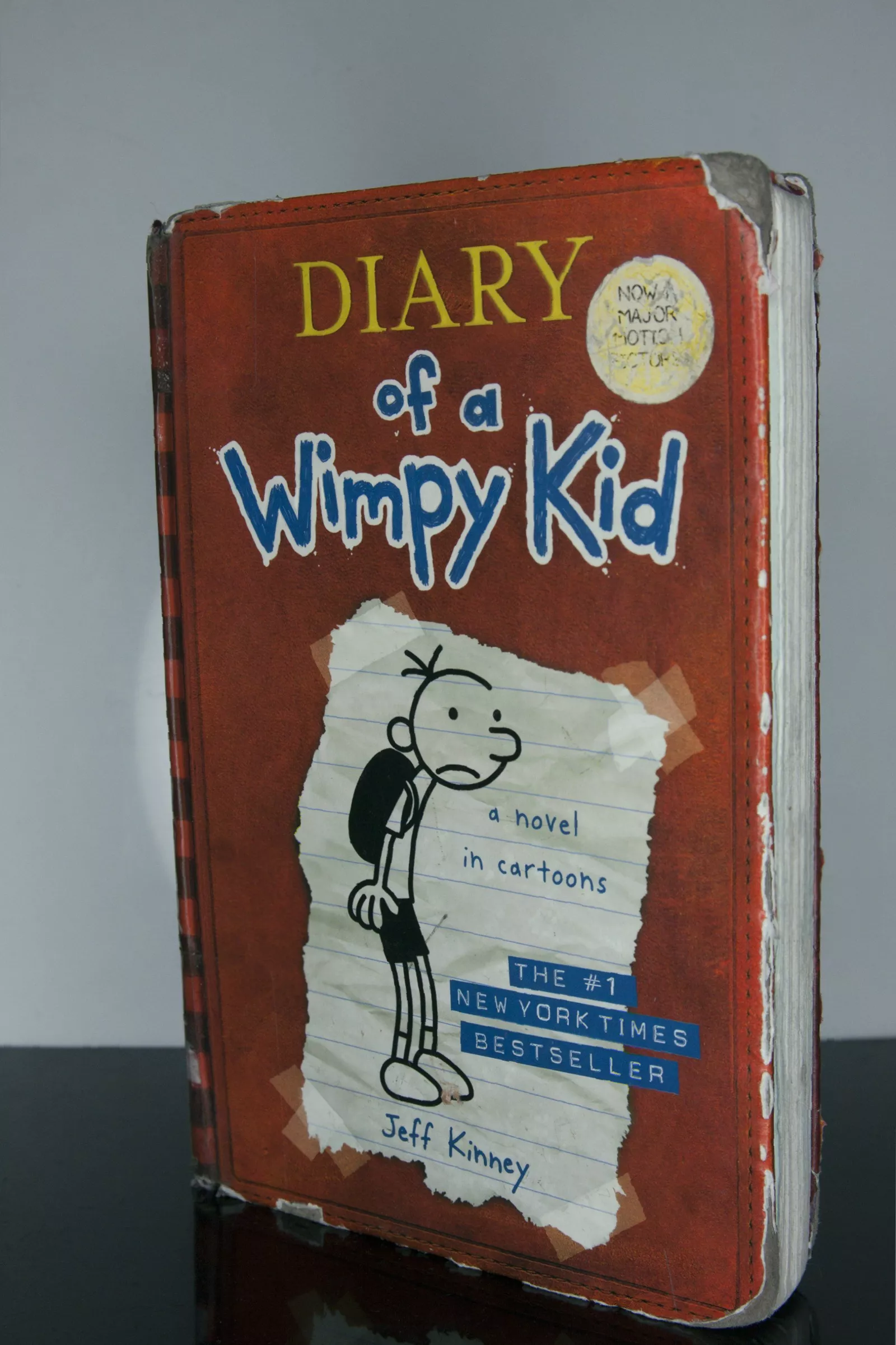
The Diary of a Wimpy Kid series, while written for children aged eight and above, has a reading level that can extend up to Grade 10 for some students, meaning its appeal is broader than its initial age recommendation might suggest. Nevertheless, the fact that secondary‑age boys are not moving on to more complex texts – and that girls of the same age are – points to a deeper issue of engagement and motivation. The Department for Education’s national year of reading campaign encourages schools to use drama, role‑play and kinaesthetic activities to make reading active, and to create relaxed, boy‑friendly reading spaces in libraries. But with approximately one in four children leaving primary school without reaching the expected reading level, the challenge is considerable.
As Brzyska put it, the task for schools is to keep widening what boys are offered so they do not stall on a single series – while trusting the choices that hook them in the first place.