Britain’s current weather conditions are creating a perfect storm for a significant rise in mosquitoes, an expert has warned, raising the prospect that disease-carrying species could become established within years as climate change reshapes the nation’s environment.
Dr Mojca Kristan, an assistant professor in medical entomology at the London School of Hygiene and Tropical Medicine (LSHTM), said the combination of warmth and standing water provided ideal breeding conditions. “May was too dry, but we’ve had rain in June so there’s water around and, as the weather continues to warm up, I would expect mosquitoes to emerge and start biting to get the blood they need to breed,” she explained. Mosquitoes rely on still water to lay their eggs, and the eggs can hatch in just a few days if temperatures are high enough. Female mosquitoes then bite to feed on the blood required for egg development.
The expert’s warning comes as the UK faces a broader shift in its vector-borne disease landscape. While the immediate risk of bites from native mosquitoes spreading serious illness remains low, Dr Kristan stressed that “we have to be alert to the threat of new disease-carrying mosquito species as climate change makes Britain a more attractive place for mosquitoes to survive and thrive.”
Invasive mosquitoes: A growing threat to the UK
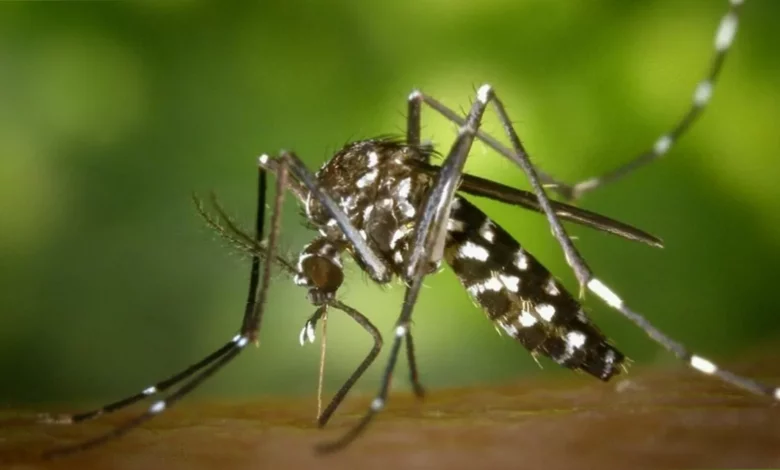
The species of greatest concern are Aedes albopictus – the Asian tiger mosquito – and Aedes aegypti, known as the Egyptian or yellow fever mosquito. Both are capable of transmitting viruses such as dengue, chikungunya and Zika. According to Dr Kristan, these invasive species are not currently established in the UK, although eggs of Aedes albopictus have been detected here. The Asian tiger mosquito is already firmly established in 13 European countries and continues to spread. Climate modelling suggests that, under current trends, Aedes albopictus could become established across most of England by the 2040s, with potential expansion into Wales, Northern Ireland and Scotland later in the century.
The establishment of this mosquito is considered one of the most significant public health risks posed by climate change to the UK. The UK Health Security Agency (UKHSA) conducts surveillance at points of entry such as seaports, ferry terminals and distribution centres, and a cross-government response is activated if an invasive species is detected. Local authority Environmental Health Officers are then tasked with control measures within a defined radius of the discovery.
Disease risks: From dengue to West Nile virus
Some of the viruses carried by invasive mosquitoes are already present in Europe, particularly in the Mediterranean. In 2024, Italy, France and Spain reported a record number of locally acquired dengue cases. Modelling studies suggest that, by the 2060s, the climate in London and surrounding areas will most likely help the endemic transmission of dengue fever under a high-warming scenario. Dengue symptoms are similar to flu and include a high temperature, severe headache, pain behind the eyes, muscle and joint pain, and nausea.
Chikungunya, a disease that causes severe joint pain, has also seen significant outbreaks in Europe. France and Italy recorded unprecedented numbers of cases in 2025, and the UK noted a substantial rise in travel-related chikungunya cases between January and June 2025 compared with the same period the previous year. Symptoms include fever, joint pain, headache, muscle pain, joint swelling and rash.
Zika virus, while generally causing only mild illness in most people, poses a serious risk to pregnant women, potentially leading to stillbirth, miscarriage, developmental problems and unusually small heads. Most European Zika cases are travel-related, but the first autochthonous (locally transmitted) mosquito-borne Zika cases were reported in France in 2019, heightening concerns.
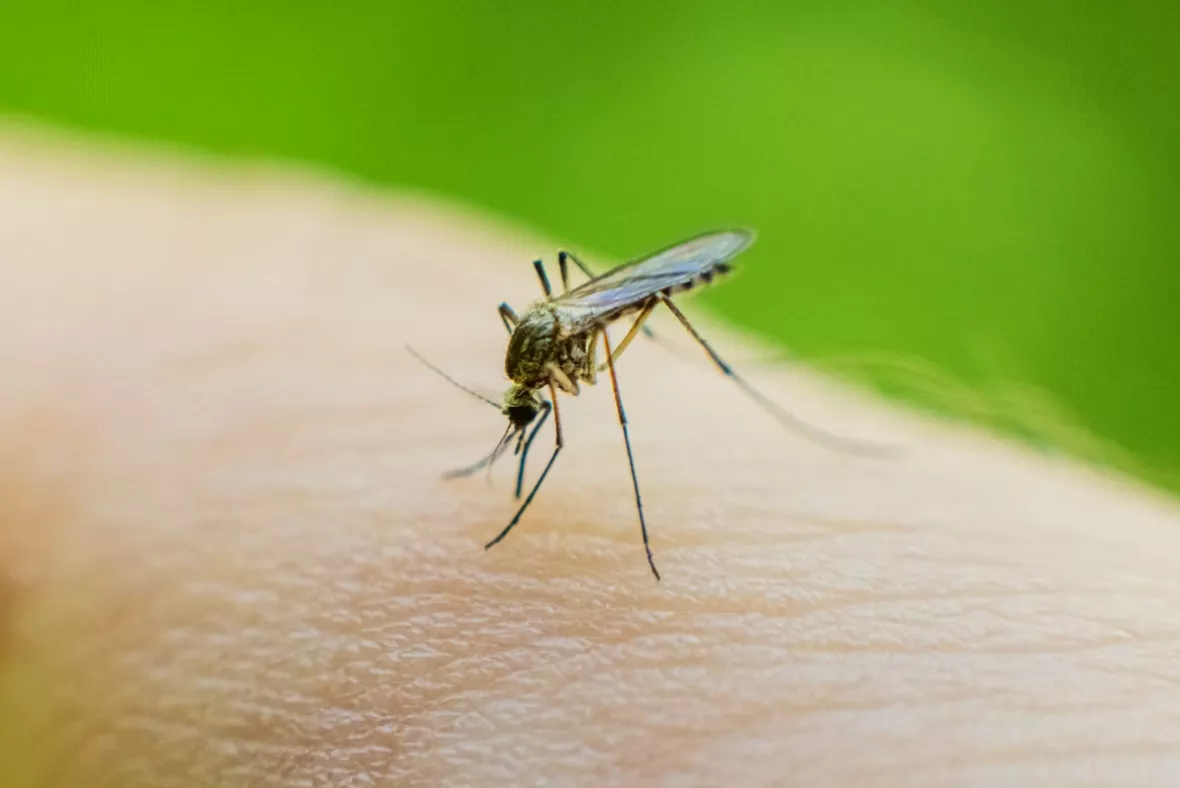
Beyond these exotic viruses, there is growing concern about West Nile virus (WNV), which is transmitted by native Culex mosquitoes. Warmer temperatures are increasing the risk of WNV outbreaks in the UK, with south-east England identified as the most vulnerable region. The UK Health Security Agency recently announced the discovery of West Nile virus in UK mosquitoes for the first time, a development that underscores the changing threat.
Malaria, meanwhile, is not endemic in the UK, but imported cases have surged. In 2023, the UK reported 2,106 imported malaria cases – the highest total since 2001 and a significant increase from the previous year. Most cases are acquired in Africa, often by individuals visiting friends and relatives. Experts still believe it is unlikely that malaria will become endemic in the UK.
What is driving the change?
Several factors are converging to make the UK more hospitable to mosquitoes and the diseases they carry. Climate change is raising temperatures, altering rainfall patterns and increasing the frequency of extreme weather events, all of which create favourable conditions for mosquitoes to survive, reproduce and extend their active season and geographical range. Warmer temperatures also speed up the development of pathogens within the insects. Mosquitoes are most active from late spring to early autumn – roughly May to September or October – with peak activity in July and August, and they tend to bite most aggressively at dusk and dawn.
Globalisation and increased international travel and trade are facilitating the introduction and spread of both invasive mosquito species and the pathogens they carry. Motorway service stations and imported goods have been identified as potential entry points. Urban environments add to the problem: while mosquitoes need standing water to breed, towns and cities inadvertently create numerous breeding sites through water collection in containers, gutters and poorly drained areas.
Protection and prevention
Dr Kristan advised the public to take simple precautions. “To protect yourself from bites, wear insect repellent and cover your skin with long sleeves, plus wear socks in the evening as mosquitoes like biting around ankles,” she said. Eliminating standing water around homes and gardens – such as in flower pots, ponds, birdbaths and pet bowls – is crucial to reducing breeding sites. The public is also encouraged to report sightings of invasive mosquitoes to the UKHSA mosquito surveillance scheme.
The UK government has put in place a range of measures to prepare for the threat. UKHSA runs mosquito surveillance programmes, particularly at entry points, and supports research into mosquito ecology and behaviour. Public awareness campaigns aim to educate communities on reducing breeding grounds. Reports such as “Strengthening preparedness against the threat of mosquito-borne diseases in the UK” have outlined recommendations for enhancing surveillance, control and investment in monitoring, while the government’s Biological Security Strategy addresses biological threats more broadly. Urban planners are also being urged to consider water features near housing developments to mitigate potential breeding grounds for invasive mosquitoes.
While the current risk of contracting a serious illness from a UK mosquito bite remains low, the warning from Dr Kristan is clear: with climate change making Britain a more attractive home for mosquitoes, vigilance is essential. The window for action is narrowing as the country edges closer to a future where dengue, chikungunya and other tropical diseases could become a domestic reality.