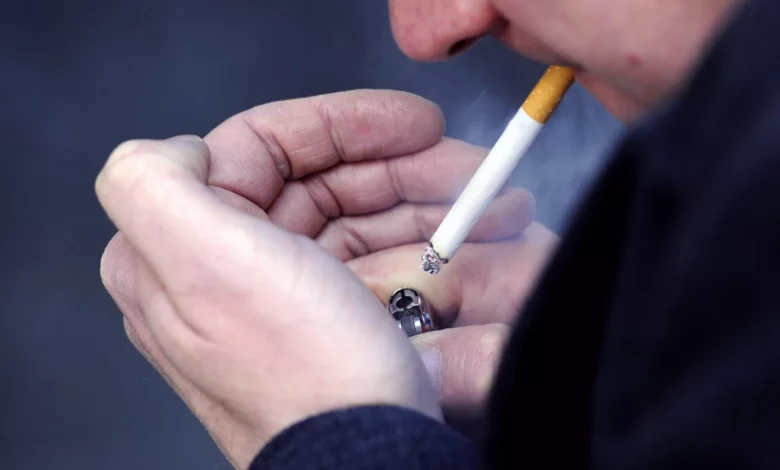
Nearly two-thirds of Britons support banning smoking in pub gardens, according to a new poll that lays bare the public’s appetite for wider smoke-free laws.
The YouGov survey, commissioned by the public health charity Action on Smoking and Health (Ash), polled 13,259 people and found that 62 per cent would back prohibiting smoking in outdoor hospitality venues such as beer gardens. Support was even higher for other settings: 93 per cent favoured banning smoking from children’s playgrounds, 78 per cent from bus stops, and 68 per cent from university and college campuses.
The findings come against a backdrop of strong public backing for existing restrictions. A separate YouGov poll from March 2026 showed that 74 per cent of adults “strongly support” the current ban on smoking inside pubs, with a further 13 per cent saying they “somewhat support” it. Meanwhile, an April 2026 YouGov survey explored future preferences: 34 per cent favoured a phased-out approach that would ban sales only to those born after 2009, while 30 per cent backed an immediate ban for everyone.
The Tobacco and Vapes Act 2026
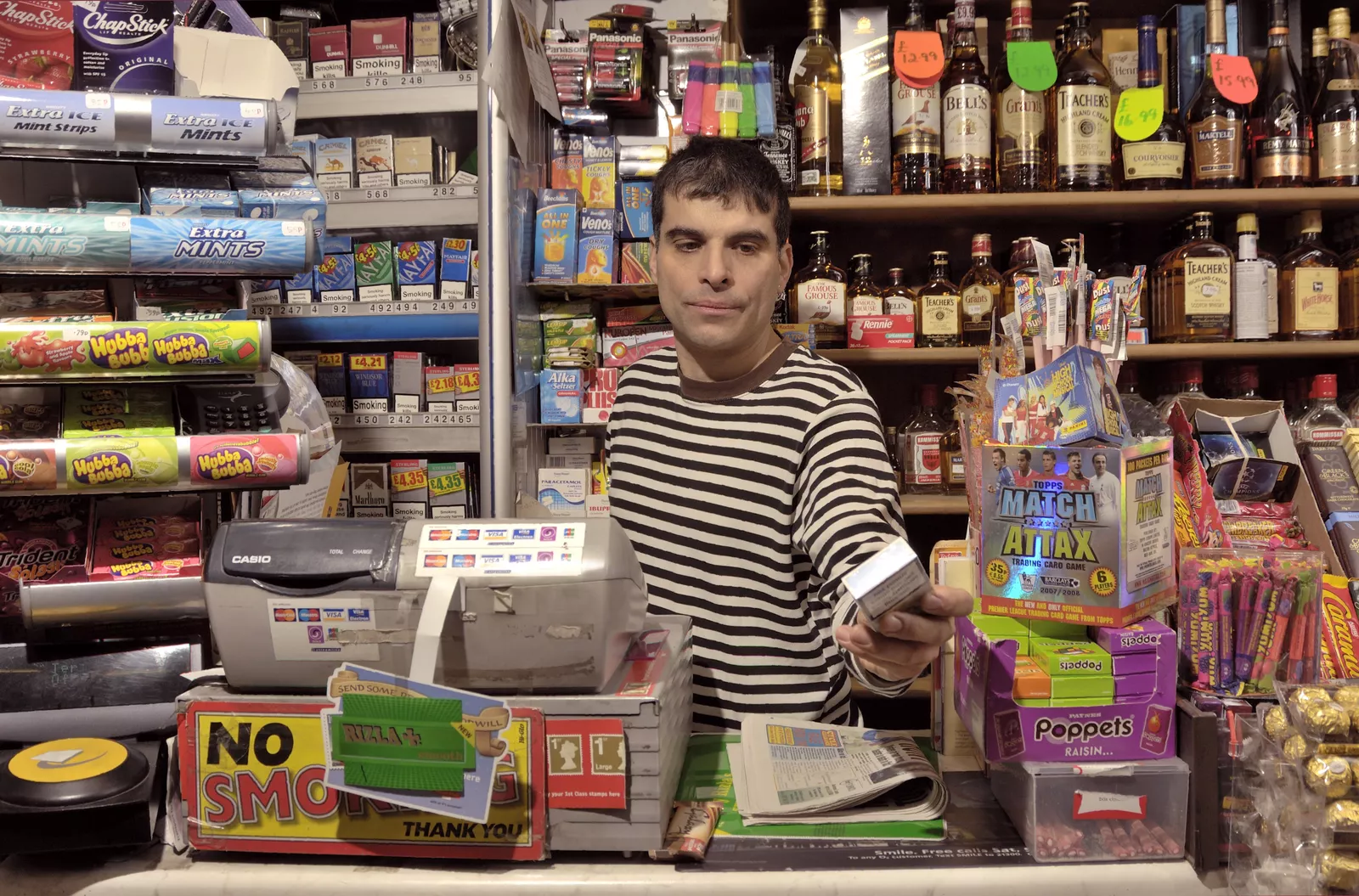
The government’s flagship Tobacco and Vapes Act received royal assent on 29 April 2026, making Britain the first country in Europe to introduce legislation preventing anyone born on or after 1 January 2009 from ever legally buying cigarettes. The age restrictions are due to take effect on 1 January 2027. The Act also bans the advertising and sponsorship of vapes and nicotine products, and gives ministers powers to restrict their packaging and branding to reduce their appeal to children. It strengthens smoke-free protections in certain public places and introduces a retail licensing scheme alongside tougher enforcement against illicit tobacco and vape sales.
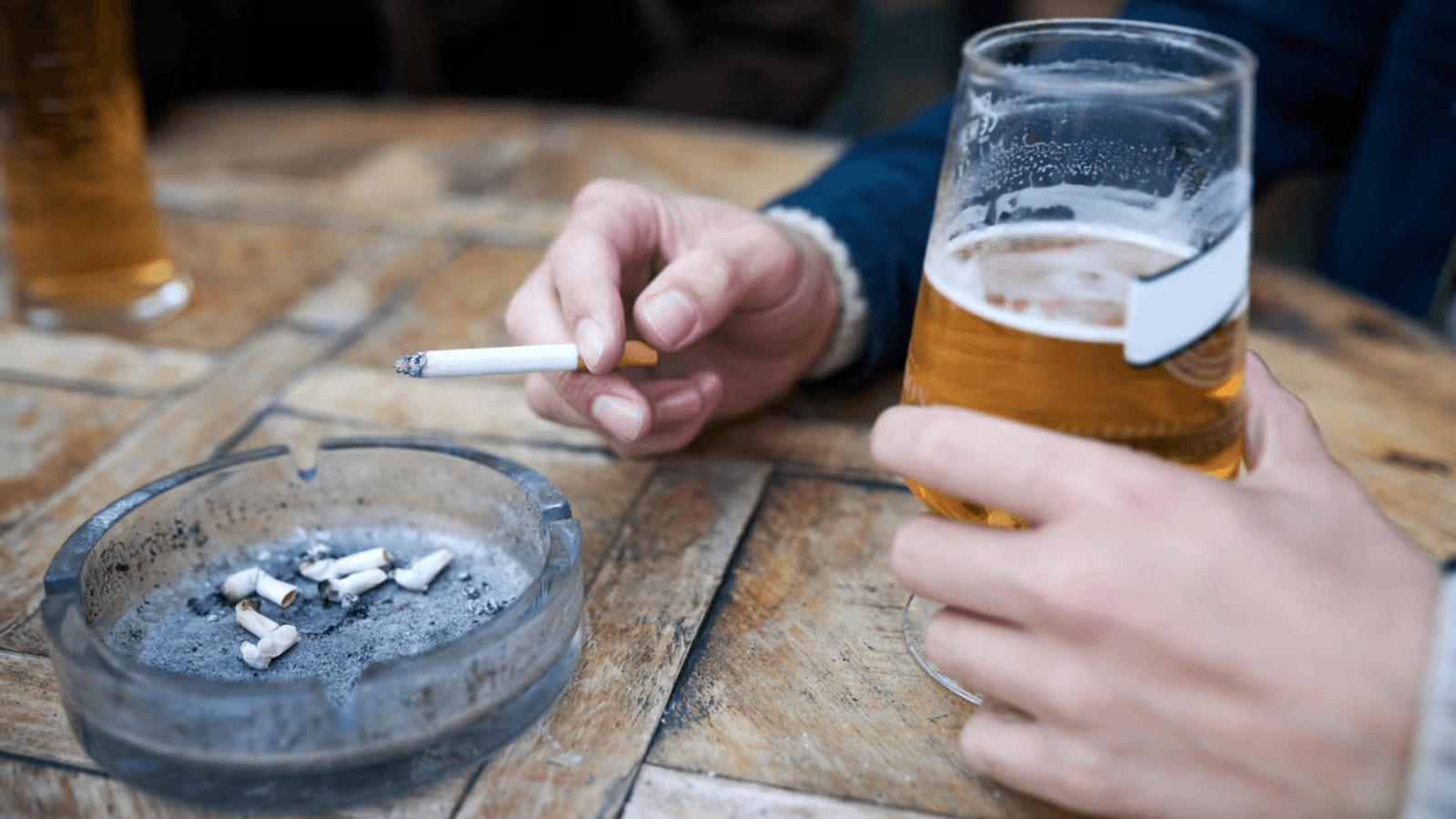
Ministers have projected that the law will slash the number of smokers aged 14 and over from 5.5 million in 2023 to just over 700,000 by 2056. Government modelling also suggests the measures will prevent more than 154,000 deaths by the end of the century.
Hazel Cheeseman, chief executive of Ash, described the existing smoke-free laws as “one of the biggest public health success stories in recent decades”. She added: “But millions of people are still exposed to harmful second-hand smoke in outdoor settings. The public is clear that they want more places where they can breathe clean air. As ministers review the findings from the consultation, there is a strong mandate to go further and faster. Extending smoke-free laws to areas like pub gardens, all play areas, university campuses and transport hubs is a common-sense next step that will protect health and support a smoke-free generation.”
Ash, founded in 1971 by the Royal College of Physicians, receives funding from the British Heart Foundation and Cancer Research UK, and has also received project funding from the Department of Health and Social Care.
Opposition and international lessons
Not everyone is convinced. Reform UK leader Nigel Farage has long opposed any ban on smoking in pub gardens. In August 2024, when the prospect first emerged, he warned it would spell the “end of British pubs” as we know them. “I think it’s massive Government overreach,” he told The People’s Channel at the time. “I think it’s an intrusion that is just a step way too far – because if you’re outside, there’s no reason why your smoke should affect anybody else at all.” Farage has also described the generational ban as “unjust and utterly unworkable”, citing operational challenges for retailers and the risk of fuelling an illicit tobacco market. He has previously advocated for the return of smoking in indoor public places and opposed plain-packaging for cigarettes.
Some industry representatives and businesses have echoed concerns about the financial strain on the hospitality sector if outdoor smoking bans were introduced.
The UK’s approach mirrors the world-leading law passed by New Zealand in 2022, which aimed to ban cigarette sales to anyone born after 1 January 2009. However, that law was later scrapped by the National-led coalition government, which argued the move would help fund tax cuts for working people. Public health officials in New Zealand strongly opposed the repeal, warning it could cost thousands of lives and be particularly detrimental to Māori communities. Critics argued the decision would boost tobacco industry profits and risk fuelling a black market.
Government’s balancing act
The government has not proposed banning smoking in pub gardens. A consultation seeking views on extending smoke-free laws to certain outdoor spaces and creating vape-free zones closed on 8 May 2026. The proposals specifically covered children’s playgrounds, outdoor areas of health and social care settings, and education settings – but explicitly excluded outdoor hospitality venues and open public spaces. The government said it needed to strike a balance between protecting the most vulnerable and limiting any potential negative impacts on businesses.
A Department of Health and Social Care spokesperson said: “The Tobacco and Vapes Act is a historic step towards Britain’s first smoke-free generation, protecting them from the harms of smoking and delivering on our ambition for a smoke-free UK. Our consultation on free-from places closed on Friday and we are carefully considering responses. As part of the consultation, we set out our proposals to make a number of settings smoke, vape and heated tobacco-free – including kids playgrounds and outside schools. We also proposed making indoor spaces where smoking is already banned vape-free and heated tobacco-free. This strikes the right balance between protecting the most vulnerable and limiting any potential negative impacts on businesses.”