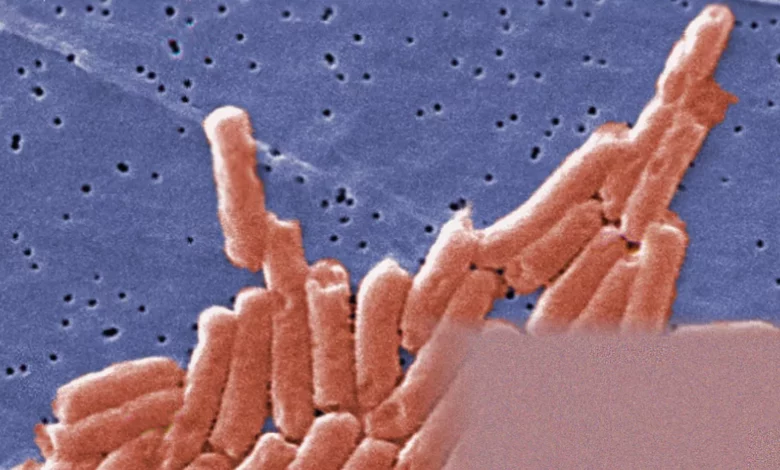
Climate change is directly linked to a 10% global rise in antibiotic resistance genes found in salmonella over the past eight decades, according to the first worldwide quantitative study of its kind. The research, published in The Lancet Planetary Health and led by scientists from the UK, France, Australia, Switzerland and China, analysed more than 480,000 salmonella genomes collected from 139 countries between 1940 and 2023. By comparing levels of resistance genes with changes in average temperature and rainfall, the team found that roughly one-tenth of the increase in these genes can be attributed to a warming climate.
How climate change amplifies antibiotic resistance
While the misuse and overuse of antibiotics remain the primary drivers of antimicrobial resistance (AMR), the study reveals a more complex environmental mechanism at work. Rising temperatures accelerate bacterial growth rates and increase the rate at which bacteria exchange genetic material – including the genes that confer resistance to antibiotics. Altered precipitation patterns add another layer: extreme flooding can wash antibiotic residues and resistant bacteria into water systems, spreading resistance genes over wide areas, while drought concentrates both antibiotics and resistant organisms in dwindling water supplies, intensifying selection pressure.
Critically, the relationship is not linear. The researchers found that resistance genes do not simply increase step for step with rising temperatures. Instead, the number of genes shifts in a non‑linear fashion depending on both temperature and rainfall. This means that environmental changes can suddenly accelerate how bacteria adapt to antibiotics, making the spread of resistance harder to predict and control. The study authors wrote that their findings provide “supporting evidence that rising temperatures and altered precipitation patterns non‑linearly amplify the abundance and dissemination of antimicrobial resistance genes in bacterial pathogens such as salmonella”.
The impact is already visible across the globe. Eighty‑two percent of the countries studied showed an increase in salmonella antibiotic resistance genes. The strongest climate‑associated rises were recorded in the Middle East and North Africa, followed by South Asia and Sub‑Saharan Africa – regions that also bear a disproportionately high burden of both AMR and climate vulnerability. The research reinforces a broader pattern: climate change is worsening 58% of human infectious diseases by altering the geographic ranges and seasonal activity of vectors, and by affecting the growth and survival of bacteria in food and water systems.
Primary drivers and the accelerating role of climate
Although the study establishes a clear association, it does not prove that climate change is the direct cause of rising antibiotic resistance. The main driver remains the overuse and misuse of antibiotics in human medicine, animal husbandry and agriculture, which allows resistant bacteria to survive and outcompete susceptible strains. However, the accumulated evidence now points to climate change as a powerful accelerant. “The accumulated evidence suggests that climate change is an accelerating force behind the global spread of antimicrobial resistance,” the authors stated. Previous studies had linked higher temperatures to greater levels of resistant bacteria, but until now global quantitative data on the connection were limited.
The scale of the AMR threat is immense. Bacterial antimicrobial resistance was directly responsible for an estimated 1.27 million deaths globally in 2019, and contributed to a total of 4.95 million deaths. Projections suggest that deaths directly attributable to AMR could reach nearly 2 million by 2050. The economic cost of inaction is also severe, with global GDP forecast to fall by between 1.1% and 3.8% by 2050, potentially pushing millions into extreme poverty. The World Health Organization’s Global Antimicrobial Resistance and Use Surveillance System (GLASS) reports that approximately one in six laboratory‑confirmed bacterial infections worldwide was resistant to antibiotics in 2023.
Call for integrated action
The study’s authors argue that tackling this double crisis requires a fundamental shift in strategy. They call for the “urgent integration of climate change‑mitigation policies, particularly those aligned with the Paris agreement – with enhanced antimicrobial stewardship and One Health surveillance”. The One Health approach recognises that human, animal and environmental health are interconnected; addressing AMR effectively means coordinating action across healthcare, veterinary medicine, agriculture and environmental management. The WHO’s GLASS system already aims to incorporate data from the food chain and environment, reflecting this integrated vision.
Looking ahead, the study projects that if countries continue with fossil‑fuel‑intensive development, global AMR prevalence could rise by more than 2% by 2050, and salmonella antibiotic resistance genes could keep climbing through 2100. By contrast, if nations meet low‑emission climate targets and strengthen responsible antibiotic use, resistance gene levels could be 24% lower than under the highest‑emission scenario. “The findings emphasise that combining climate change‑mitigation efforts and antibiotic stewardship – such as adhering to the low‑emission scenarios – could effectively curb the dissemination of antimicrobial resistance genes and rise in global antimicrobial resistance,” the authors wrote, adding that their study provides “robust evidence” that climate change is associated with a heightened risk of antibiotic resistance.