One in seven services to be scrapped by Avanti West Coast on its busiest intercity routes

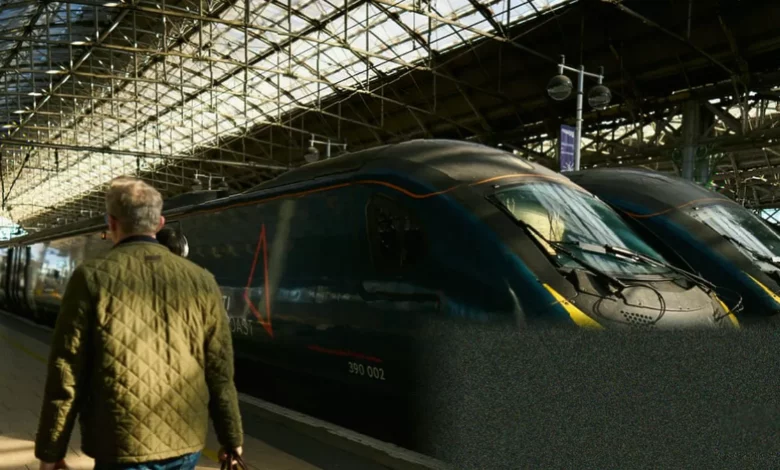
Avanti West Coast will cut approximately one in seven trains on its busiest intercity routes this summer in a bid to reduce costs. The operator, which runs fast intercity services on the west coast mainline, said the changes were made in response to a government request to lower spending.
From July 20 to August 28, 38 weekday services will be removed from the timetable on routes connecting London Euston with Birmingham, Liverpool and Manchester. Avanti normally runs 248 daily services across those three corridors. The affected trains will be withdrawn from schedules before they become available for advance ticket purchases online, the company confirmed.
One service that will remain untouched is the 7.00am fast train from Manchester Piccadilly to London Euston, which was reinstated in December after a public outcry.
Government’s drive to cut rail spending
The reductions are part of a broader push by the Department for Transport (DfT) to bring down the overall cost of running Britain’s railways. Annual net funding for the rail industry has stayed at roughly £12 billion in the years since the Covid-19 pandemic, a level the government considers unsustainable. A DfT spokesperson said the revised timetable was accepted because “passenger numbers are considerably lower and many trains run with large numbers of empty seats” during the summer weekdays, adding that the move would “save taxpayers’ money while still meeting passenger demand for seats”.
Avanti West Coast has described the changes as “demand-led timetabling”, claiming they will target only routes where at least one other train runs per hour, focusing on typically less busy periods of the day. The operator insists the cuts will not reduce revenue because alternative services are available, and that the reduction is not due to a lack of resources. Like all remaining franchised train operators, Avanti is tightly contracted to the DfT, which controls its funding and performance targets.
The company’s relationship with public money has been controversial. In January 2024, leaked internal presentation slides showed managers referring to taxpayer subsidies as “free money”, prompting an apology from the company, which said the language was a regrettable attempt to explain the Service Quality Regime.
Avanti West Coast has long struggled with punctuality. According to the Office of Rail and Road, it holds the worst punctuality record in national rail. In the year to March 2025, only 39.9% of its trains arrived on time. Between July and September of the previous year, 41.1% were on time and 5.7% were cancelled. In December 2022, its cancellation rate reached 8%, more than double the Great Britain average of 3.8%. The operator’s difficulties peaked in the summer of 2022, when a shortage of drivers volunteering for rest days amid industrial disputes forced a drastic timetable reduction and widespread short-notice cancellations, severely damaging public confidence.
Despite the poor punctuality, customer satisfaction has shown some improvement. Avanti West Coast’s own survey for January–March 2025 recorded a 72% satisfaction rate for timeliness of departure and arrival. Transport Focus’s Rail User Survey in March found 84% of passengers satisfied with their overall journey and 70% with punctuality and reliability. On cleanliness and security, the company scored 78% and 83% respectively, though only 49% were satisfied with the state of the toilets.
The government’s drive to cut rail spending extends beyond these timetable changes. Transport Secretary Heidi Alexander has also announced a freeze on rail fares in England for the first time in 30 years, a measure expected to save passengers £600 million over the next year. She is also expected to set out the true cost and timeline for the HS2 high-speed rail project, with potential reductions in train speeds to trim expenses.
Avanti West Coast – a joint venture between FirstGroup (70%) and Italian state operator Trenitalia (30%) – is set to be nationalised early in 2027, when operations will be brought under Great British Railways as part of a wider return to public ownership. The company’s current contract’s core term ends in October 2026, making it one of the last operators to be transferred.
The DfT, led by Transport Secretary Heidi Alexander, has approved the revised summer timetable. A DfT spokesperson said the department accepted Avanti’s proposals because they would cut costs while still providing enough capacity for the lower summer demand.