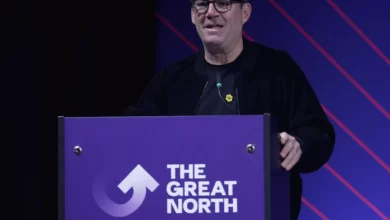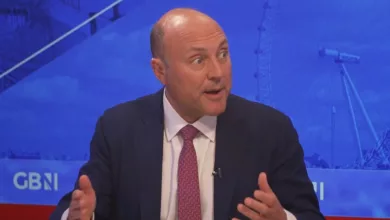
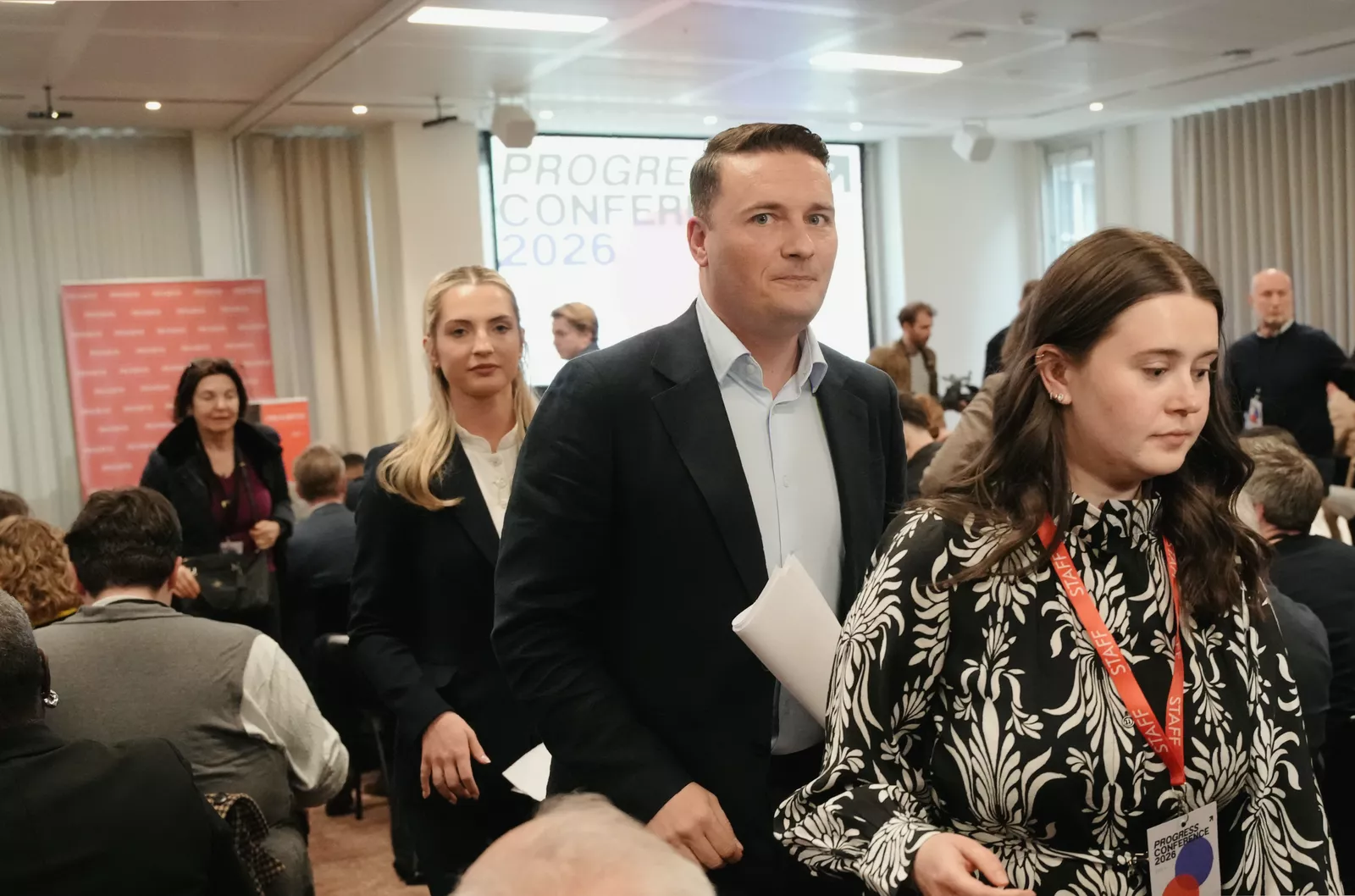
Wes Streeting has declared he will stand in any Labour leadership contest, firing the starting pistol on a race that threatens to tear the party apart after devastating local election losses. The former health secretary resigned from Sir Keir Starmer’s government on May 14, citing a “vacuum” of leadership and a lack of vision, and has now moved to openly position himself as the challenger to the Prime Minister.
Streeting’s declaration has already reshaped the field. The Greater Manchester mayor, Andy Burnham, who has been cleared by Labour’s National Executive Committee to stand in the forthcoming Makerfield by-election on June 18, is seen as the other major contender. Burnham is the most popular figure in the party among members — a May 2026 poll placed his favourability at 42 per cent — and has made no secret of his ambition to return to Westminster and tilt for the top job. However, because nominees must be sitting MPs, Burnham must first win the by-election triggered after the local MP, Josh Simons, resigned to clear a path for him.
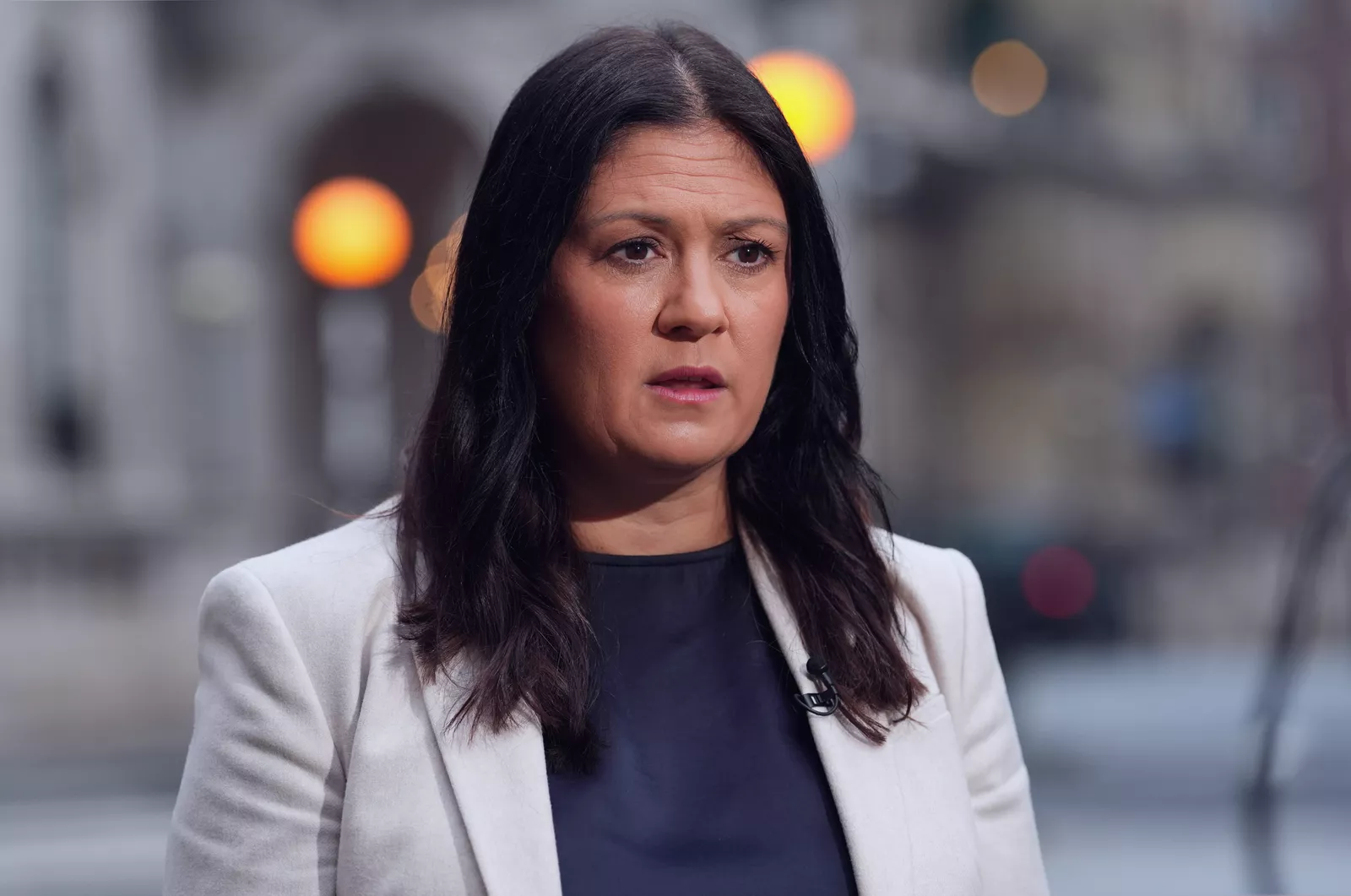
Angela Rayner, the former deputy prime minister, has not publicly declared she would stand, but her announcement that HMRC had cleared her of any wrongdoing over her tax affairs — settling £40,000 in unpaid stamp duty with no penalty — appeared timed to coincide with rivals setting out their stalls. She has described plans by Home Secretary Shabana Mahmood to tighten permanent settlement eligibility for long-term migrants as “un-British” and has accused Starmer of presiding over “a toxic culture of cronyism”. Ed Miliband, the Energy Secretary, is being urged by some on the soft left to run as a “stop Streeting” candidate, though sources close to him have dismissed those rumours as “mischief-making”. The armed forces minister, Al Carns, has reportedly said he would stand in a contest and laid out his pitch in a New Statesman article titled “How Labour Can Win Again”, calling for a return to Labour’s roots and an end to “slogans, strategies, press releases or commissions”.
Streeting’s platform: a “new special relationship” with Europe
Streeting has used the days since his resignation to flesh out a policy platform that he hopes can unify the party’s warring factions. On Saturday, he called for a “new special relationship” with the European Union, which he said could eventually lead to Britain rejoining the trade bloc. He also argued that the UK must reindustrialise in order to grow the economy and fund social democratic policies. In a striking suggestion, the former health secretary said the country should meet the challenge of disinformation on social media with “the 21st century’s equivalent of the BBC”, though he offered few details of what this might practically entail. Streeting, who comes from a working-class background and is considered a strong communicator, has framed the coming contest not as a battle of personalities but as a “battle of ideas”. He has publicly stated that a contest without Andy Burnham would “lack legitimacy”.
Burnham’s “Manchesterism” vs Westminster
Andy Burnham has spent recent months promoting what he calls “Manchesterism” — a brand of politics that he argues offers an antidote to the failures of the Westminster system. He has claimed that Westminster no longer works for the majority of the country and has proposed a more proportional system of voting, taxes on wealth, and replacing the House of Lords. Like Streeting, he has indicated support for rejoining the EU and has called for British reindustrialisation to provide good jobs more widely. Burnham previously stood for the Labour leadership in 2015, finishing second to Jeremy Corbyn, and his return to Parliament via a by-election would also trigger a mayoral by-election in Greater Manchester — a cost some Labour figures privately fear could be financially draining for the party. His path is not straightforward: Reform UK is performing strongly in the Makerfield constituency.
Rayner, while stopping short of triggering a contest, has signalled the direction she would take. As deputy prime minister, she championed workers’ rights reforms that have largely continued after her exit from government. Since returning to the backbenches, she has criticised Starmer’s leadership, accusing him of allowing a “toxic culture of cronyism” and calling for more economic powers for regional mayors and a higher minimum wage. Ed Miliband, who led the party from 2010 to 2015, has largely stuck to his Energy Security brief since Labour came to power in 2024, but his allies claim he has the support from MPs necessary to launch a challenge. A centre-right Labour MP has described the prospect of Miliband becoming leader again as a “catastrophe”. Al Carns, a former soldier awarded the Military Cross, OBE, and Distinguished Service Order, is seen as a dark horse. He previously voted Conservative but switched to Labour, citing defence funding. His article in the New Statesman spoke of returning to Labour’s roots to support the working classes and called for an end to “slogans, strategies, press releases or commissions”. “We need action,” he wrote. His allies suggest he would step forward only if someone else “fires the starting gun”.
Starmer’s defence: refusing to be forced out
Sir Keir Starmer has insisted he will not be driven from office. More than 90 Labour MPs are reported to have called for his resignation or a timetable for his departure following disastrous results in local and devolved elections across England, Wales and Scotland last week. In a speech reacting to that defeat, the Prime Minister set out a series of measures: nationalising British Steel, forging much closer ties with Europe, and guaranteeing a job, training or education for every young person currently out of work. Many within his party saw these pledges as disappointing, but Starmer has warned against Labour tacking either left or right, casting the current political moment as a “battle for the soul” of the UK. He has said he will prove his “doubters” wrong and would be likely to stand in any contest against those seeking to replace him. Under Labour’s rules, a challenger must be nominated by at least 20 per cent of Labour MPs — currently 81 — to trigger a full ballot. The incumbent leader is automatically on the ballot. A contest typically takes around 12 weeks, using a preferential voting system where candidates need more than 50 per cent of votes after preferences are redistributed. The field is set, the battle lines are drawn, and the Labour Party now faces a contest that will determine not just its leadership but its ideological direction for years to come.