Labour minister insists UK safe from attack as she is pressed on defence spending shortfall

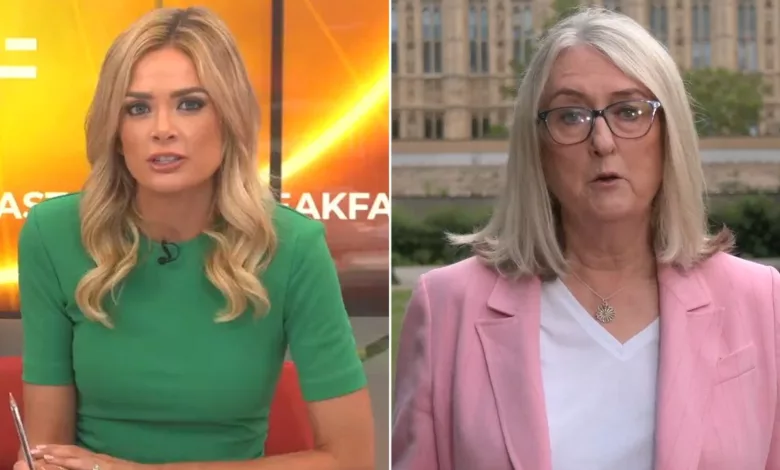
Labour’s defence spending plans are facing a multi-billion pound black hole, with the government seeking to increase annual expenditure from the £54 billion inherited from the previous administration to a projected £80 billion – but a significant portion of that increase remains unfunded. The gap, calculated at £4.7 billion, was thrust into the spotlight this week when Baroness Jacqui Smith, the Skills Minister, was grilled by GB News host Ellie Costello over how ministers intend to plug the shortfall.
Minister pressed on unfunded commitments
Appearing on the channel, Baroness Smith was challenged repeatedly on the specifics of the funding plan. Asked how the government would cover the outstanding amount, she pointed to the Defence Investment Plan (DIP) announced by Sir Keir Starmer, which commits £15 billion in new money over four years. “This is largely funded by the Defence Investment Plan,” she said. “It builds on the fact that when we came into Government, there was £54 billion a year being spent on defence. Now there’s £80 billion a year being spent.”
The minister explained that the plan would raise defence spending from 2.3 per cent of GDP to 2.7 per cent by the end of the decade, with a further ambition to reach 3 per cent in the next parliament. However, only two-thirds of the £15 billion increase has been identified so far. Chancellor Rachel Reeves confirmed that the remaining £4.7 billion would be confirmed at the Autumn 2026 Budget – a deferral that has drawn sharp criticism.
How the government intends to bridge the gap
The bulk of the funding for the Defence Investment Plan comes from a combination of departmental budget cuts, efficiency savings inside the Ministry of Defence, asset sales, and future spending rounds. According to the plan, other government departments have been asked to contribute 1p in every £1 of their capital budgets, leading to reductions in capital spending for transport and energy programmes. Within the MoD, £10.7 billion in efficiency savings are expected, including a 10 per cent cut in civil service headcount and a reduction of £1 billion in spending on external consultants. Selling government assets is forecast to generate a further £1.1 billion.
Baroness Smith defended the approach, arguing that leaving some funding to be confirmed later is “not unusual” in the running of government. “Frustrating though I can understand people find it, it’s not unusual to say this is the trajectory, these are the plans, this is the significant amount of money already found,” she said. “For the about £1 billion a year over the next four or five years, we’ll outline where that is coming from when we get to the Budget for that year.” She insisted the Treasury has built up sufficient “fiscal headroom” because of “the tough decisions that we made at the beginning of this parliament that Rachel Reeves has stuck to”, and noted the overall government budget stands at £1.2 trillion.
Part of the funding has already come from reductions in overseas aid. The government cut the aid budget from 0.5 per cent to 0.3 per cent of Gross National Income by 2027, a move that prompted the resignation of International Development Minister Anneliese Dodds. Baroness Smith acknowledged the shift: “Difficult decisions that we previously made about how we reduced the money we spent on overseas aid and devote it to the defence budget.”
The £15 billion DIP brings total defence spending to £298 billion over the four-year period, a real-terms increase of 27 per cent compared with 2023‑24. Within that sum, the government has earmarked specific investments: £5 billion for drones and autonomous systems across sea, land and air; over £8 billion for the Global Combat Air Programme – a next-generation stealth fighter jet in partnership with Japan and Italy; £64 billion to upgrade the nuclear deterrent, including new Dreadnought submarines and nuclear-capable F‑35A jets; £26 billion for the most extensive naval base upgrades in nearly half a century, at Faslane, Portsmouth and Devonport; £330 million to protect critical underwater infrastructure and an additional £1.5 billion for the “Atlantic Bastion” initiative to counter Russian submarine threats; around £2.2 billion for new Boxer 8×8 armoured vehicles and £1.1 billion for upgraded Challenger 3 main battle tanks; and £11 billion for munitions and long‑range strike capabilities. The plan is expected to create nearly 60,000 skilled defence jobs.
Despite the scale of the commitments, critics have described the plan as “too little, too late” and accused the government of leaving a “delayed‑action poison pill” for the next administration. The term “black hole” has become a recurring phrase for this Labour government, echoing the £22 billion deficit they said was left by the previous Conservative government. Historical analysis shows defence funding gaps have been persistent: a £74 billion gap was identified as far back as 2011.
Reassurances from ministers and the Prime Minister
Baroness Smith pushed back against suggestions that the funding gap leaves the country vulnerable. “First of all, we are not at risk from attack,” she told GB News. “We are certainly in a world where we are seeing growing threats and the need to take action to protect our national security. That’s exactly why we have increased, with record‑breaking increases, the defence budget since we came into Government.”
Defence Secretary Dan Jarvis described the £15 billion commitment as “new money that I’ve secured over the past two weeks” and said it means “we are now spending historically high levels on defence”. He added that the DIP would ensure service personnel have “the kit and technology they need”.
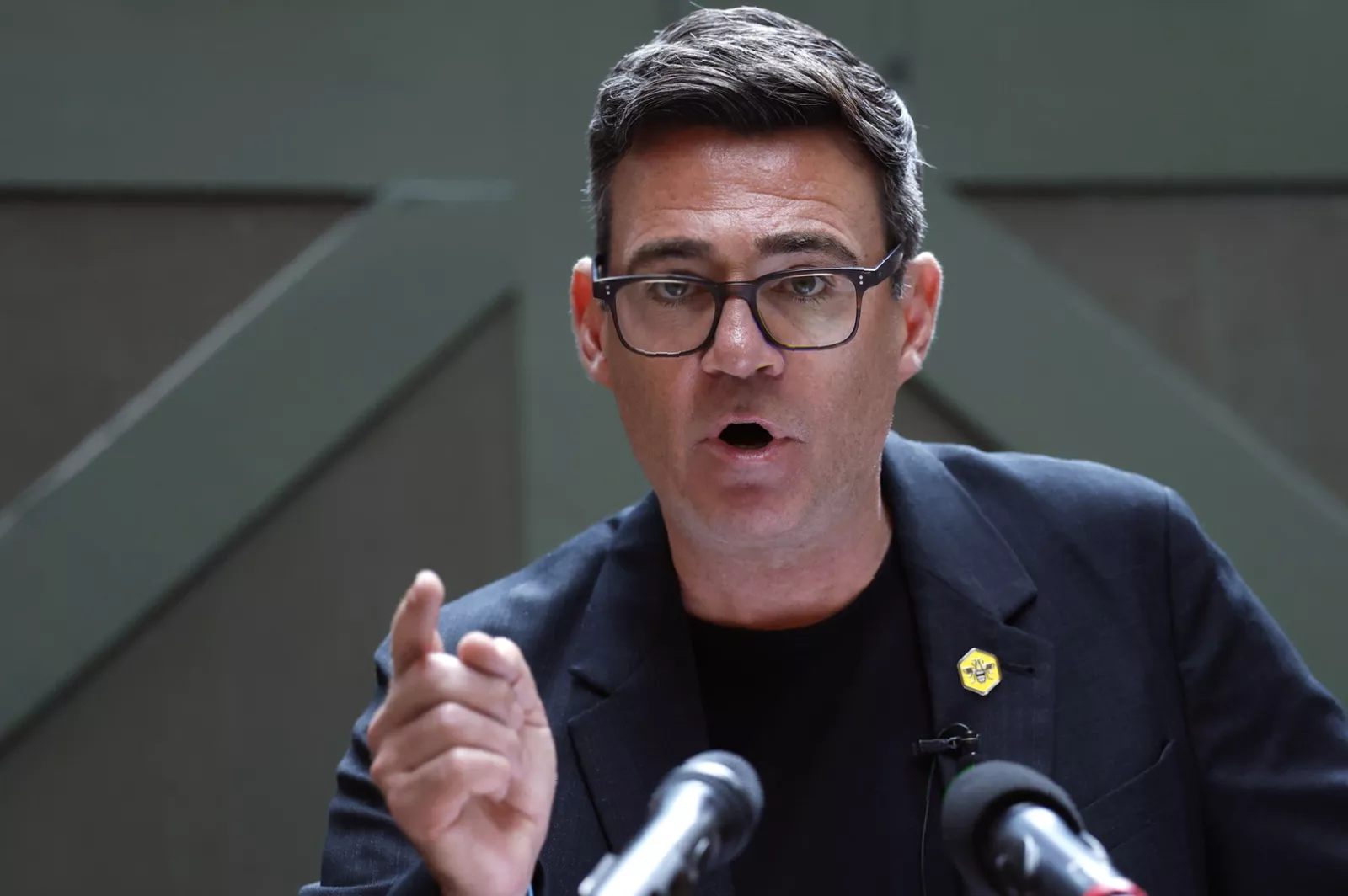
Prime Minister Sir Keir Starmer said the plan “delivers the modern kit and capabilities our personnel need to keep us safe, meaning we buy British to create jobs here at home and strengthen our international leadership”. He has also warned his successor not to borrow more to pay for defence, and ministers have suggested that Andy Burnham – the likely successor – was informed of the £4.7 billion gap on the day the DIP was published. Burnham’s team has acknowledged he would have to find nearly £5 billion more than expected, and he has previously stated he would retain Rachel Reeves’s fiscal rules, meaning he would not borrow to plug the hole.
Baroness Smith concluded with a firm assurance: “We will continue to find ways in order to meet our responsibilities to defend this country, because that’s the number one priority of any Government.”