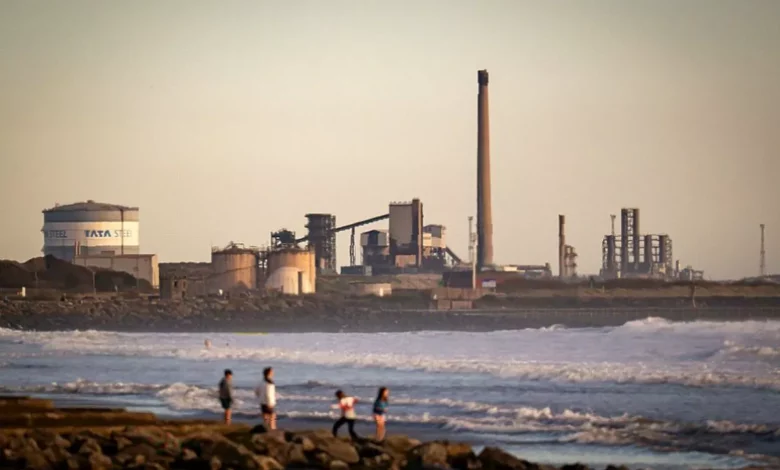
A Labour minister has confirmed that the steelworks at Port Talbot will not be nationalised, as the Government pursues a separate path to bring only British Steel assets into public ownership under new legislation.
Lord Leong, the business and trade minister in the House of Lords, told peers that while the Steel Industry (Nationalisation) Bill “provides flexibility to intervene if a future need arises”, ministers are “strongly minded” to use its powers exclusively for the British Steel business. He said: “The Government has got no plans to acquire any other steel undertakings.”
The Bill’s powers and the public interest test
The Steel Industry (Nationalisation) Bill, which would grant ministers the authority to transfer shares or property of steel companies into public ownership, has already passed its third reading in the House of Commons and received a second reading in the Lords this week. Peers backed the legislation on Tuesday, though it faces further scrutiny before becoming law.
The Government’s decision to target only British Steel stems from the long-running financial crisis at its Scunthorpe site, where blast furnaces have been operating under a government direction since last year. That intervention followed unsuccessful attempts to negotiate a commercial sale with the plant’s Chinese owner, Jingye Group. Jingye acquired British Steel in March 2020 after the company entered insolvency in May 2019, and has since invested over £1.2 billion in the business.
Since April 2025, the Department for Business and Trade has provided £484 million in working capital to British Steel as of 14 May 2026, with spending classified as a loan. Ongoing operations are costing approximately £1.3 million per day, with no set budget, repayment schedule or end date. Spending was expected to reach £615 million by June 2026 and could exceed £1.5 billion by 2028. The emergency Steel Industry (Special Measures) Act 2025, passed in April 2025, gave the Government the power to direct British Steel’s operations, including securing raw materials and maintaining blast furnace activity, after earlier talks over a decarbonisation plan collapsed.
Lord Leong made clear that any decision to nationalise British Steel would be subject to a “public interest test”. He told the Lords: “While we are strongly minded to use the powers in the Bill to nationalise the company, no decision has been made and taken, and any decision will be subject to a consideration of the public interest test.” The Government has said the test will include considerations of national security, the economy and critical infrastructure.
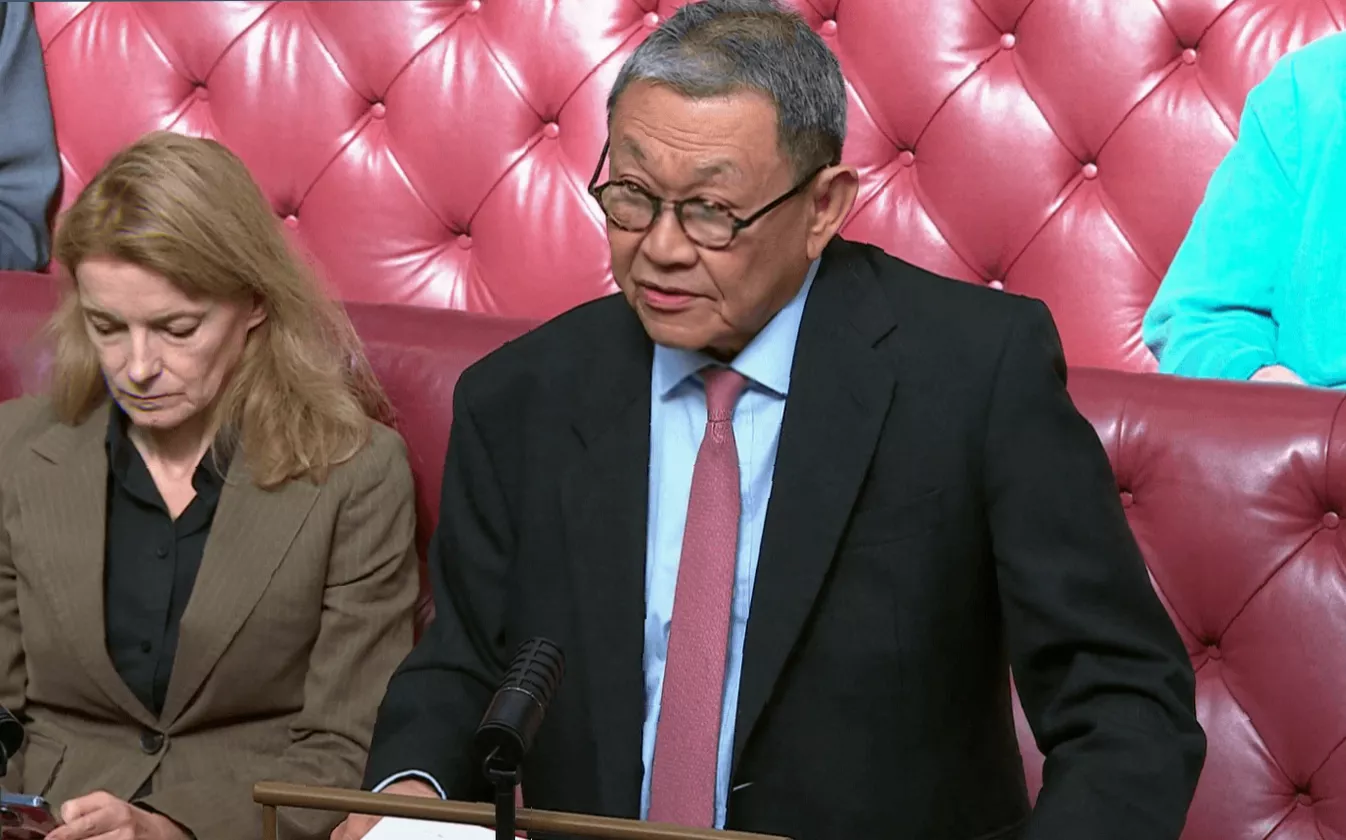
Conservative shadow business minister Lord Sharpe of Epsom questioned the vagueness of that definition. He warned that “the steel sector has been operating on a tight margin for years and nationalisation does not make any of those problems disappear”, and asked: “The Government says that the public interest will include considerations of national security, the economy and critical infrastructure. But could ministers be any more vague when they refer to the economic interests of the United Kingdom?”
Other Conservative MPs have also raised concerns that the nationalisation plan could have a “chilling effect on investment” in the UK steel sector, due to the perceived increased risk of government intervention.
Port Talbot transition and delays
Turning to the Port Talbot site in South Wales, Lord Leong reiterated the Government’s commitment to securing the long-term future of steelmaking there through Tata Steel’s £1.25 billion transition to a state-of-the-art electric arc furnace (EAF). The project is supported by up to £500 million in government funding, building on more than £600 million already invested in Port Talbot by the Government.
The blast furnaces at Port Talbot, which ended 100 years of primary steelmaking, were closed in 2024. The new EAFs use an electric current to melt scrap steel or iron, replacing the coke-based method, and are expected to reduce site-level CO₂ emissions by 90 per cent — equivalent to five million tonnes annually. Construction was initially planned to begin in July 2025, with operations due to start by 2027.
However, Lord Leong confirmed that “grid delays” meant “timelines are still evolving and not yet finalised”. National Grid has formally notified Tata Steel that its connectivity project is delayed, potentially deferring the entire transition by six to twelve months. The minister said the Government is “working closely with all parties involved to identify mitigations and explore options to accelerate delivery”. The trade union Unite has argued that National Grid is “systematically failing businesses”, describing the situation as an example of problems with the privatised electricity system.
Meanwhile, on 3 June 2026, a fire broke out at the Port Talbot site, causing substantial damage to the pickle line facility — a “vital” production line. Tata Steel stated that the incident does not affect the wider EAF project and that mitigation measures are in place to ensure continuity of supply.
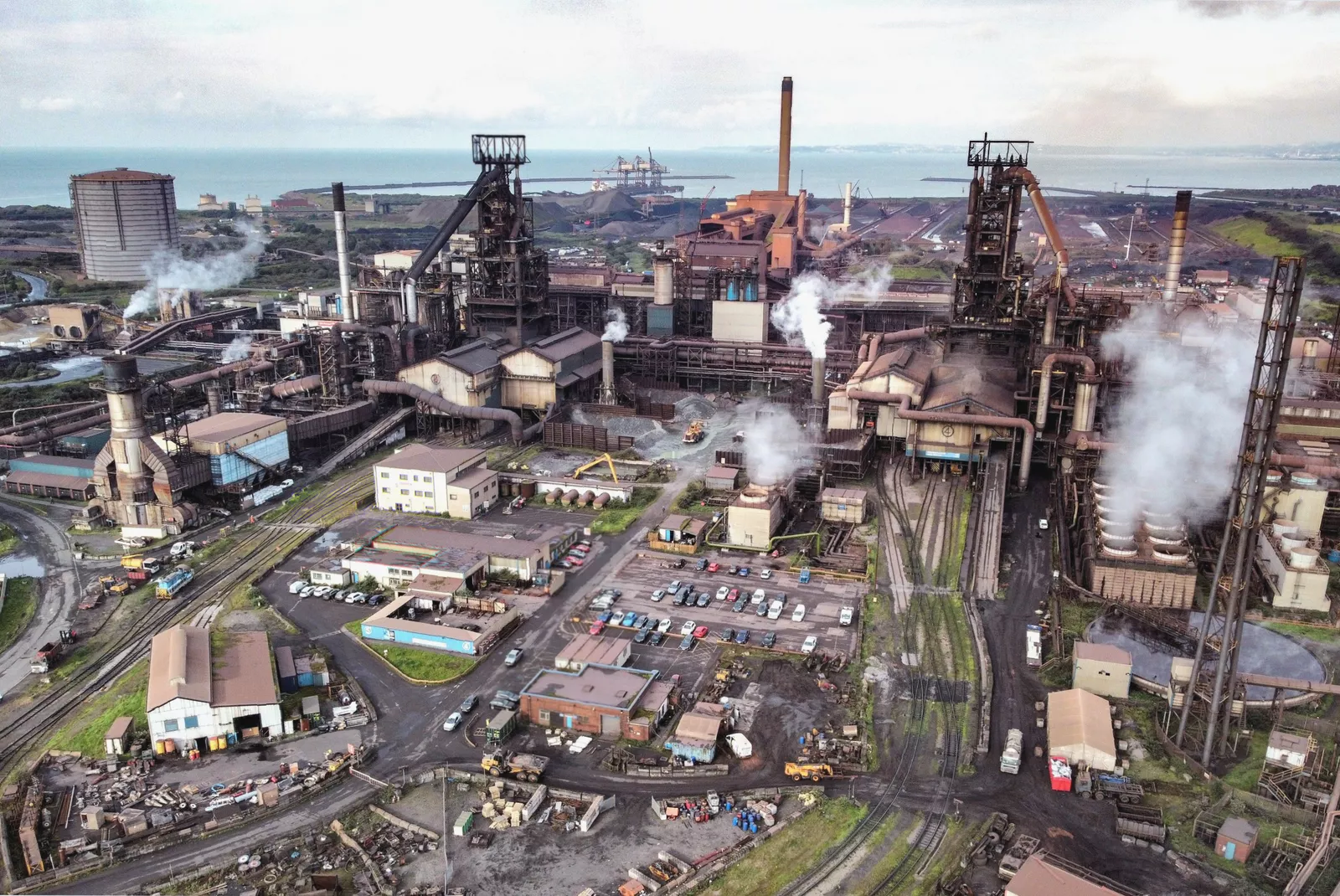
The transition has already resulted in significant job losses. Tata announced 2,800 redundancies as part of the move to the EAF, the majority at Port Talbot. Between September 2024 and July 2025, 2,162 people left the business.
Lord Wigley, the former leader of Plaid Cymru, expressed concern that steelworks at both Port Talbot and Scunthorpe “should be developed in a manner that avoids strategic, economic or defence needs being limited to one location”. He said there is a “widespread belief” that Port Talbot has not been treated on an equal basis with Scunthorpe, adding: “Now, we don’t claim that Port Talbot should have preferential treatment but neither should Scunthorpe.”
A GMB national secretary noted that comparing the two sites is “not entirely” fair, citing the previous government’s inaction on Port Talbot.
Some analyses have suggested that Tata’s plan for Port Talbot is focused on replacing UK production with imported steel, prioritising profits over jobs and the environment, with concerns that emissions would simply be transferred abroad and that Tata might eventually abandon its EAF plans.
The broader Government Steel Strategy, which aims for up to 50 per cent of steel used in the UK to be made in Britain (up from 30 per cent), confirms electric arc furnaces as the future of British steelmaking. New trade measures — including reduced import quotas and a 50 per cent tariff on imports exceeding those quotas — will come into effect from 1 July 2026 to protect domestic production. The National Wealth Fund will be the primary mechanism for providing up to £2.5 billion of financing for the steel sector this Parliament, and a cross-government working group is being launched to secure a sustainable supply of scrap metal for UK steelmakers.