Repatriation Plan
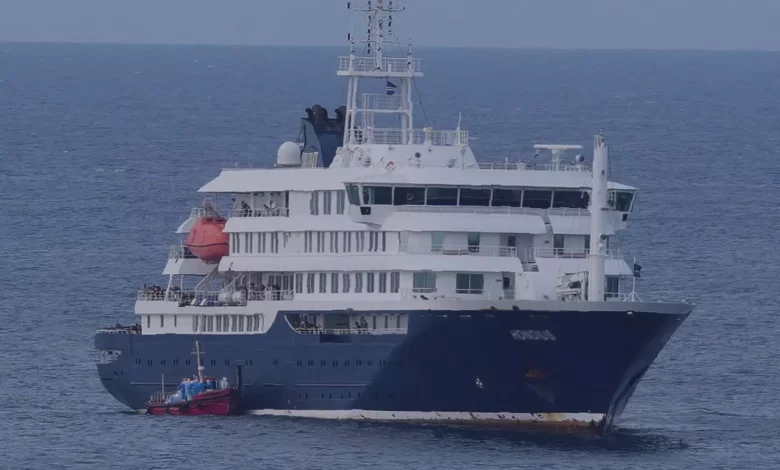
Passengers from the hantavirus-stricken cruise ship MV Hondius will be ferried ashore in sealed, guarded vehicles, Spanish authorities have confirmed, as the vessel prepares to anchor off Tenerife early on Sunday morning. The Dutch-flagged ship, carrying more than 140 passengers and crew, is expected to arrive at the industrial port of Granadilla de Abona between 3am and 5am local time. It will not dock at the quay but will remain at anchor within the port area. Once ashore, passengers will be moved through a completely cordoned-off corridor and repatriated directly to their home countries, a step-by-step plan devised by Spanish authorities and coordinated with the World Health Organization.
The repatriation process is designed to minimise any contact with the local population. Non-Spanish passengers who are asymptomatic will be transferred to flights organised by their national governments. The United Kingdom is deploying specialist medical personnel to Tenerife and working with international authorities to bring British nationals home; those returning to the UK may face a strict 45-day isolation period. The United States is sending a charter plane to repatriate its 17 citizens, who will be taken to the National Quarantine Center at the University of Nebraska. Authorities aim to complete all evacuation flights on Sunday and Monday, 10 and 11 May, before forecasts of worsening weather from Tuesday force a halt.
The 14 Spanish passengers and one Spanish crew member will be transported by military aircraft to the Gómez Ulla Central Defense Hospital in Madrid, where they will undergo mandatory quarantine and medical evaluation. The Spanish Ministry of Health is preparing a legal report to support the imposition of mandatory quarantines if necessary, with Minister Mónica García stating that the country has the legal tools to protect public health. All passengers and crew will be screened on board before disembarkation.
Safety Measures and Local Concerns
Spanish authorities have stressed that the public health risk to the Canary Islands remains low. World Health Organization Director-General Tedros Adhanom Ghebreyesus, who is on Tenerife to personally oversee the operation, has emphasised that the outbreak is “not another COVID” and that hantavirus transmission is fundamentally different. He acknowledged public anxiety stemming from the pandemic but said the controlled measures and the virus’s limited routes of spread meant the local population should not be alarmed.
The specific strain involved is the Andes virus, the only hantavirus known to be capable of limited human-to-human transmission, though this remains rare and typically requires close, prolonged contact. Hantaviruses are primarily carried by rodents and spread to humans through inhalation of air contaminated with rodent urine, droppings or saliva. Early symptoms are flu-like — fever, muscle aches, fatigue, headache and gastrointestinal issues — and can progress rapidly to severe respiratory distress. There is no specific cure or vaccine; treatment is supportive, often in intensive care.
Preparations at the port of Granadilla have intensified, with temporary security cabins, medical tents and a command centre installed. Access to the port will be restricted under emergency protocols. Despite these measures, some Tenerife residents have expressed unease, with one asking: “Why did they have to bring a boat from another country here?” Reports also indicate concern among port workers, some of whom have threatened to block access over worries about insufficient medical infrastructure. Significant media presence is expected at the port.
The outbreak aboard the MV Hondius has so far resulted in three deaths: a Dutch couple and a German national. As of 8 May, there were six confirmed and two suspected cases of hantavirus associated with the ship. Two British nationals have tested positive for the virus. The vessel carried 144 people representing more than 20 nationalities. It departed Ushuaia, Argentina, on 1 April 2026 for a voyage through the South Atlantic, stopping at Cape Verde before heading to Tenerife. Around 30 guests, including six Americans, disembarked at St Helena on 24 April; those individuals are now being contacted for contact tracing after the first confirmed case was reported on 4 May. The incubation period for hantavirus is estimated at up to 45 days, and the Maritime Health Declaration is reviewed every 72 hours. The European Centre for Disease Prevention and Control has an expert from its EU Health Task Force on board to support the investigation and response coordination under the International Health Regulations.