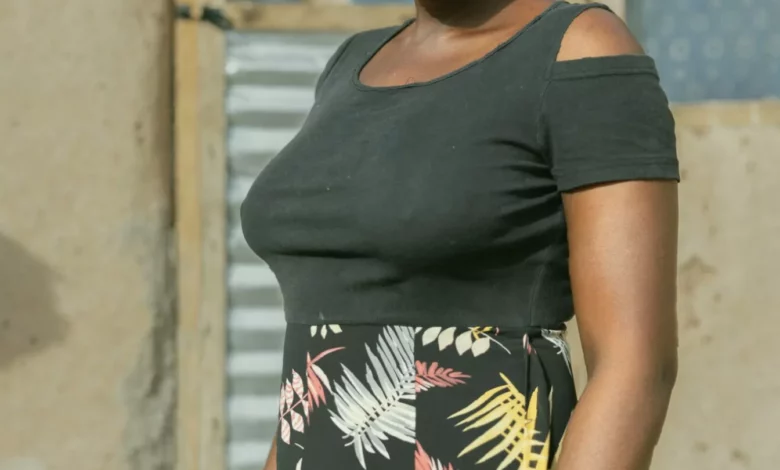
A mother risked death crossing flooded rivers in labour to deliver twins, after her local health centre had no maternity ward, midwife, or even clean water. Dorcas Azongo, 29, from the hamlet of Beo-Tankoo in Ghana’s Bongo District – one of the country’s poorest areas – faced an impossible choice: give birth at home alone or undertake a dangerous journey to reach safe care.
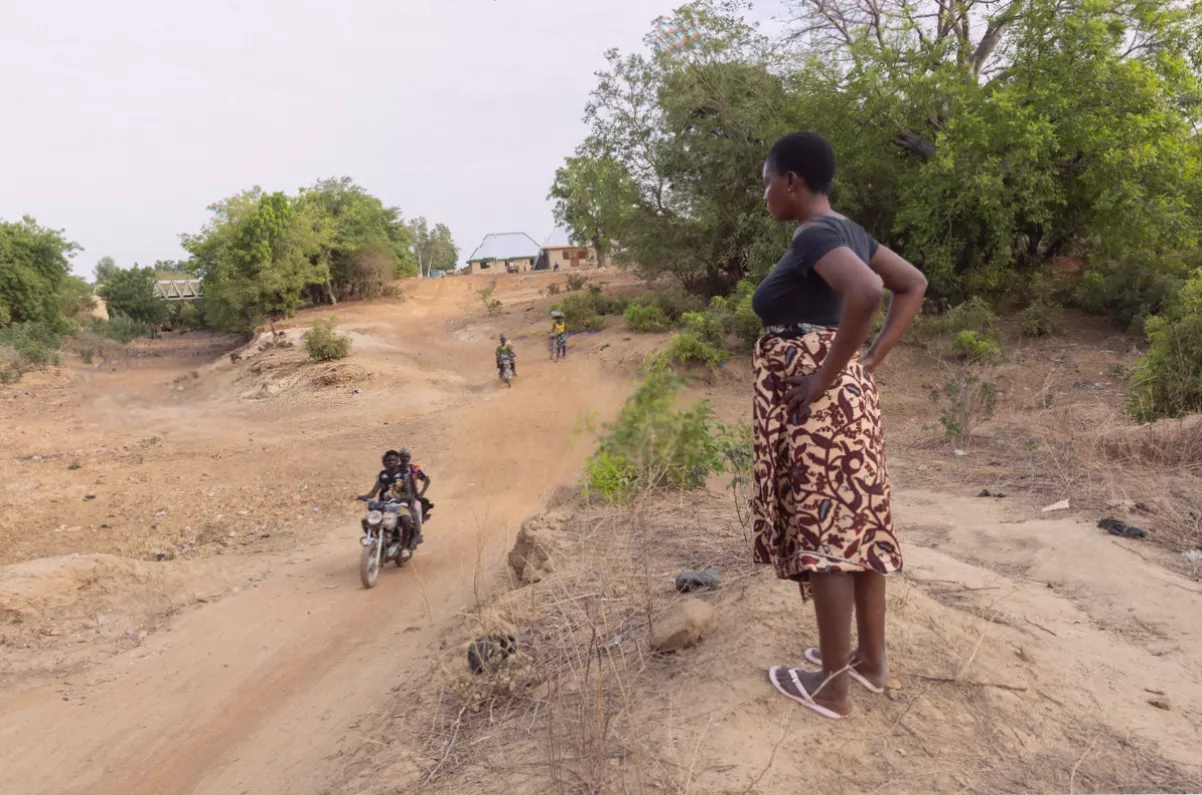
The journey began on a rainy night when Dorcas crossed a swollen river by canoe to reach a clinic, only to be turned away because the staff could not handle a twin delivery. In excruciating pain, she crossed back over the same river. Her husband met her with a borrowed motorbike, and together they crossed another river before racing to Bongo Hospital. The twins would wait no longer – Dorcas delivered them in the hospital yard before she could reach a bed.
A mother’s desperate journey
Dorcas endured crippling contractions along muddy, uneven paths in the dark, terrified she might give birth by the roadside. “I can only imagine the journey,” said Basile Ouedraogo, a WaterAid community voices officer who spoke with her nearly a year later. The ordeal may have ended, but the memory remains raw. Dorcas later told her husband she did not want more children under the same conditions.
Today she is raising four children while working as a teacher and continuing her own studies. She agreed to share her story because she wants it to make a difference. “I left that conversation with a heavy responsibility – not that of a doctor, but of giving voice to her experience,” Ouedraogo said.
The twins’ ongoing health battle
When asked how the twins were doing, Dorcas sighed deeply before replying in a trembling voice, her eyes glistening with tears. “The twins are unwell almost all the time. If I bring them for treatment, it’s not even a whole month before they have a temperature again. So they’re not in the best of health. I don’t know why.” That admission chilled Ouedraogo, who recalled his own siblings’ frequent childhood illnesses.
The root of the twins’ suffering almost certainly lies in the same lack of clean water, decent toilets and good hygiene that forced Dorcas to risk her life. Bongo District has some of the lowest rates of access to water, sanitation and hygiene (WASH) in Ghana, according to WaterAid. Many households rely on tubewells or boreholes, but open defecation remains common because sanitation infrastructure is absent. Access to soap and water for handwashing is limited in many homes, and a considerable number of households must spend more than 30 minutes – some over an hour – collecting water each day, a burden falling disproportionately on women and girls.
The crisis is even more acute at healthcare facilities. A concerning proportion of health centres in Bongo District lack a continuous water supply, improved sanitation and hand hygiene facilities. This directly contributes to Healthcare Associated Infections (HAIs), which are a major cause of neonatal deaths across sub-Saharan Africa. Poor WASH conditions also drive diarrhoeal diseases, a leading cause of death in Ghanaian children under five, and stunting linked to malnutrition. For Dorcas’s twins, recurring fevers are a likely symptom of this broader failure.
Globally, the scale is staggering. WaterAid reports that every two seconds a woman gives birth without access to clean water, decent toilets and good hygiene. More than 16 million women each year deliver in such conditions. In some of the world’s least developed countries, mothers are forced to bring their own water, disinfectant or protective materials to a health facility for childbirth – a stark contrast to countries like Australia, where maternity bags are prepared with the expectation of clean water and safe facilities.
A campaign to deliver change
WaterAid’s ‘Time to Deliver’ campaign is pressing world leaders to act. The organisation is building momentum ahead of the 2026 United Nations Water Conference, scheduled for December in the United Arab Emirates, which aims to accelerate Sustainable Development Goal 6 – safe water and sanitation for all. In Ghana, WaterAid has been working since 1985 and is the largest international NGO focused solely on WASH in the country. Its current strategy (2023–2028) targets universal, sustainable and safe access, with a particular focus on Bongo District.
There have been some recent developments. In September 2025 a landmark WASH Compact was signed, committing the Bongo District Assembly to achieve universal access within ten years, including allocating funds to WASH interventions. New health facilities such as a maternity block and a CHPS compound have been built. But as Dorcas’s story shows, the gap between commitment and reality remains dangerous.
The campaign calls for women’s voices to be central in shaping decisions, for healthcare workers to be trained to provide safe, hygienic care, and for investment in clean water, decent toilets and good hygiene in every healthcare facility. Dorcas’s ordeal is not an isolated tragedy – it is the consequence of systemic neglect. She took the risk so her twins could be born alive; now the world must ensure they and countless other children can grow up healthy. The petition to demand action is part of WaterAid’s push to turn pledges into practice.