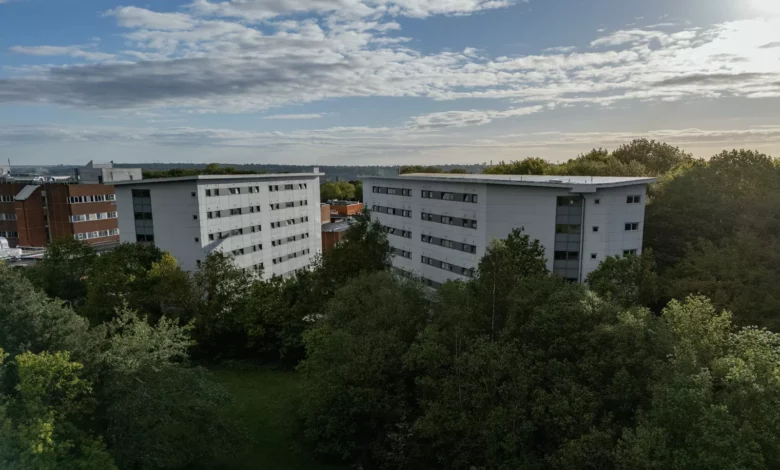
A medic showing signs of hantavirus infection has been admitted to a specialist unit at a London hospital, the UK Health Security Agency (UKHSA) has confirmed. The individual, who developed symptoms while working on Ascension Island, was transferred to the High Consequence Infectious Diseases (HCID) unit at Guy’s and St Thomas’s NHS Foundation Trust on Saturday.
Specialist assessment in London
The UKHSA described the move as a “highly precautionary measure”. With no dedicated infectious diseases facility on Ascension Island, the decision was taken to bring the medic to the UK to ensure they could receive “the best possible support” at an HCID unit should their condition worsen. The patient will undergo further testing and assessment at the unit.
Hantavirus is a serious zoonotic illness transmitted to humans from infected rodents. Depending on the strain, it can cause hantavirus pulmonary syndrome (HPS), which affects the lungs and carries a case fatality rate of between 30 and 50 per cent, or hemorrhagic fever with renal syndrome (HFRS), which primarily damages the kidneys and blood vessels. Symptoms typically appear one to eight weeks after exposure and include fever, muscle aches, fatigue, and gastrointestinal issues. In severe cases, breathing difficulties, shock, and organ failure may develop.
The Andes virus, a strain capable of limited human-to-human transmission through close and prolonged contact, is responsible for the current outbreak. There is no specific antiviral treatment or vaccine; care is supportive and focuses on managing respiratory, cardiac, and kidney complications, with early access to intensive care improving outcomes. HCID units in the UK are designed to provide that level of specialist care for rare and dangerous infections, and are equipped with isolation facilities and expert clinical teams.
Nine asymptomatic contacts to arrive
A group of nine Britons from St Helena and Ascension Island who may have been exposed to the virus but remain asymptomatic are expected to arrive in the UK on Sunday evening, the UKHSA said. They will complete their self-isolation in the UK and will be supported by the NHS’s HCID network should they become unwell.
The nine will be taken to Arrowe Park Hospital on the Wirral, the same Merseyside facility that previously housed passengers repatriated from the MV Hondius cruise ship. Dr Meera Chand, deputy director at the UKHSA, said: “We are undertaking safe repatriation of those affected by the outbreak where appropriate, incorporating medical checks and support, with the latest flight arriving tonight. We are committed to keeping these passengers and the wider population safe and will remain in close contact with them as they complete their self-isolation period.”

On Saturday, one person left Arrowe Park Hospital to finish their 45-day isolation period at home after a clinical and public health assessment deemed it safe. A further six people returned home from the hospital to continue self-isolation on Thursday last week. The UKHSA said those isolating at home and those still in hospital are being closely monitored.
UK health team deployed to South Atlantic
The UKHSA confirmed on Friday evening that three members of the UK Public Health Rapid Support Team (UK-PHRST) have been sent to the British overseas territories in the South Atlantic following a request for support from the island’s government.
The deployed team includes two microbiologists, Clara Milroy and Kimberley Steeds, who will assist with PCR testing for hantavirus and help rule out other conditions. They are joined by Anthony Twyman, an infection prevention and control expert, who will work with Jamestown General Hospital on preparations and training for any potential cases. The trio will remain on the island for the next eight weeks.
The outbreak on the MV Hondius, a cruise ship, has resulted in at least 11 reported cases among passengers and three deaths. Public Health Scotland warned on Thursday that a small number of people in Scotland may have had contact with the virus and is working to get in touch with those affected.