Senior Trump ally warns Labour may be monitoring Americans in latest strike at Keir Starmer’s UK


A senior US congressman has warned that the British government may be spying on American citizens, escalating a transatlantic row already simmering over free speech, migration and military co-operation.
Jim Jordan, the Republican chair of the House Judiciary Committee and a close ally of Donald Trump, sent a letter to Home Secretary Shabana Mahmood on Friday raising fears that the UK is using its surveillance powers to access Americans’ private data without their knowledge. His concerns centre on the Investigatory Powers Act 2016 and a little-known but powerful tool within it: the technical capability notice, or TCN.
How technical capability notices work
TCNs are secret orders issued by the Home Secretary that force telecommunications and technology companies to build, maintain or develop specific systems enabling state surveillance, interception of communications and access to data. They function effectively as master keys, allowing UK intelligence agencies to read encrypted data without users ever knowing. Mr Jordan has described them as “backdoors into encrypted services” — deliberate flaws or hidden bypasses that circumvent end-to-end encryption, which normally ensures only senders and recipients can view messages.
The power is far-reaching. Under British law, any company served with a TCN is legally prohibited from disclosing its existence or details, even to its own government, without permission from the Secretary of State. The secrecy is similar to a superinjunction, where even confirming the existence of the backdoor could be illegal. This means American technology firms could be compelled to weaken their own security products while being unable to notify Congress or their own citizens.
TCNs are subject to a “double-lock” oversight mechanism requiring approval from both the Secretary of State and an independent Judicial Commissioner. The Investigatory Powers Tribunal has also been involved in scrutinising these powers, with Apple having previously raised complaints about the Home Secretary’s authority to issue such notices. In addition to TCNs, the Investigatory Powers Act also provides for data retention notices, which require the retention of communications data, and national security notices, which demand specific steps in the interests of national security.
Apple, the ambassador and a denied request
Mr Jordan’s latest letter follows a previous complaint he made in February about a TCN served to Apple. In that letter he accused Britain of “weakening the security, privacy and constitutional rights of American citizens”.
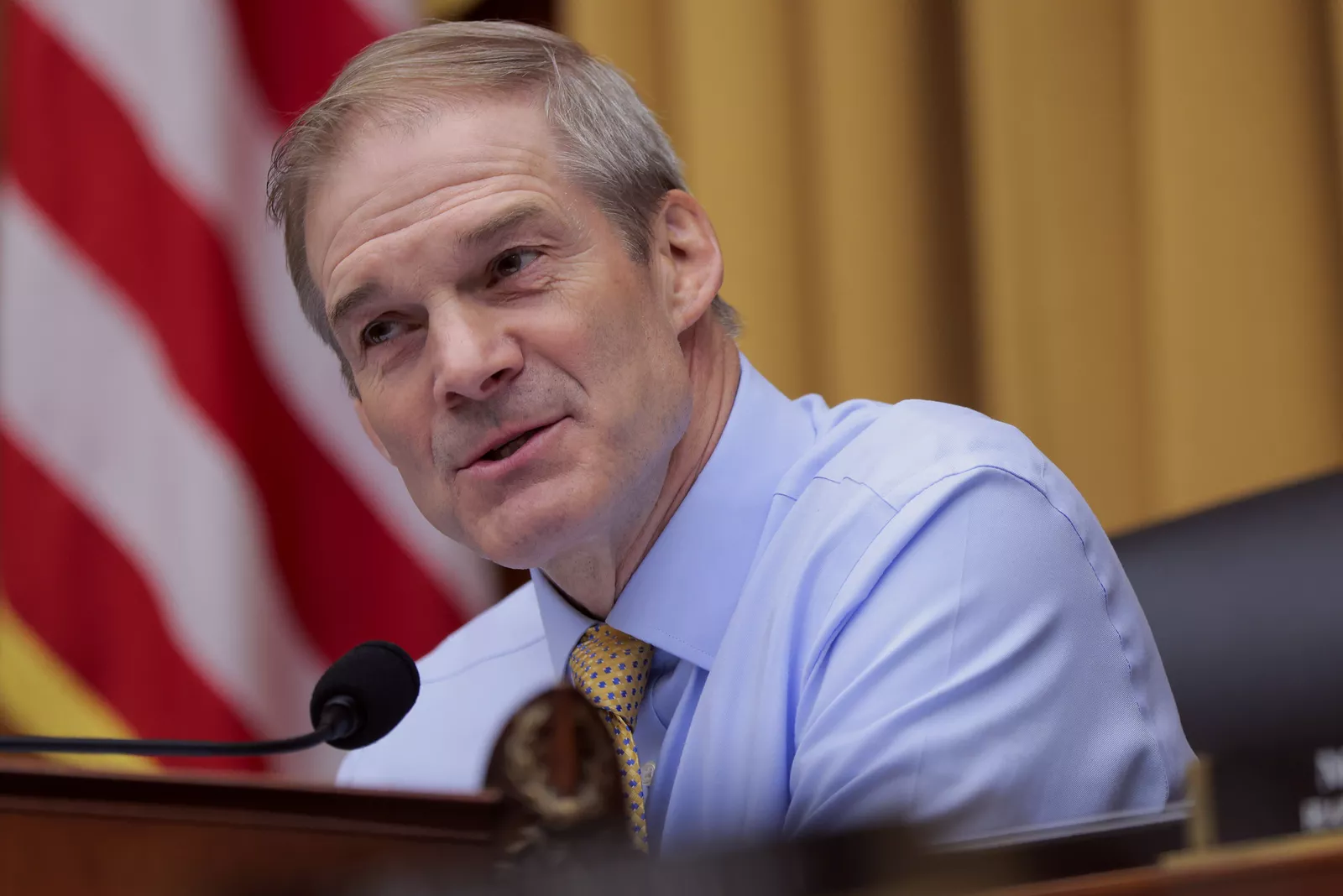
The congressman said he met the British ambassador to the United States, Sir Christian Turner, in March to discuss an American firm that wanted to discuss a TCN with members of Congress. According to Mr Jordan, Sir Christian indicated that the Home Secretary’s permission for such a discussion would be possible. But when the request was made, Ms Mahmood denied it.
“This denial is inconsistent with our understanding from Ambassador Turner and raises serious concerns about shared cooperation on these sensitive matters, particularly as Congress exercises its important oversight responsibilities,” Mr Jordan wrote.
The Home Secretary’s refusal, he warned, raised broader questions about “trust and effective partnership between our two countries”.
Mr Jordan — who has also been a vocal critic of US government surveillance practices, particularly concerning the FBI and Department of Justice — has long argued for stronger privacy protections and warrants for accessing data.
Diplomatic tensions deepen
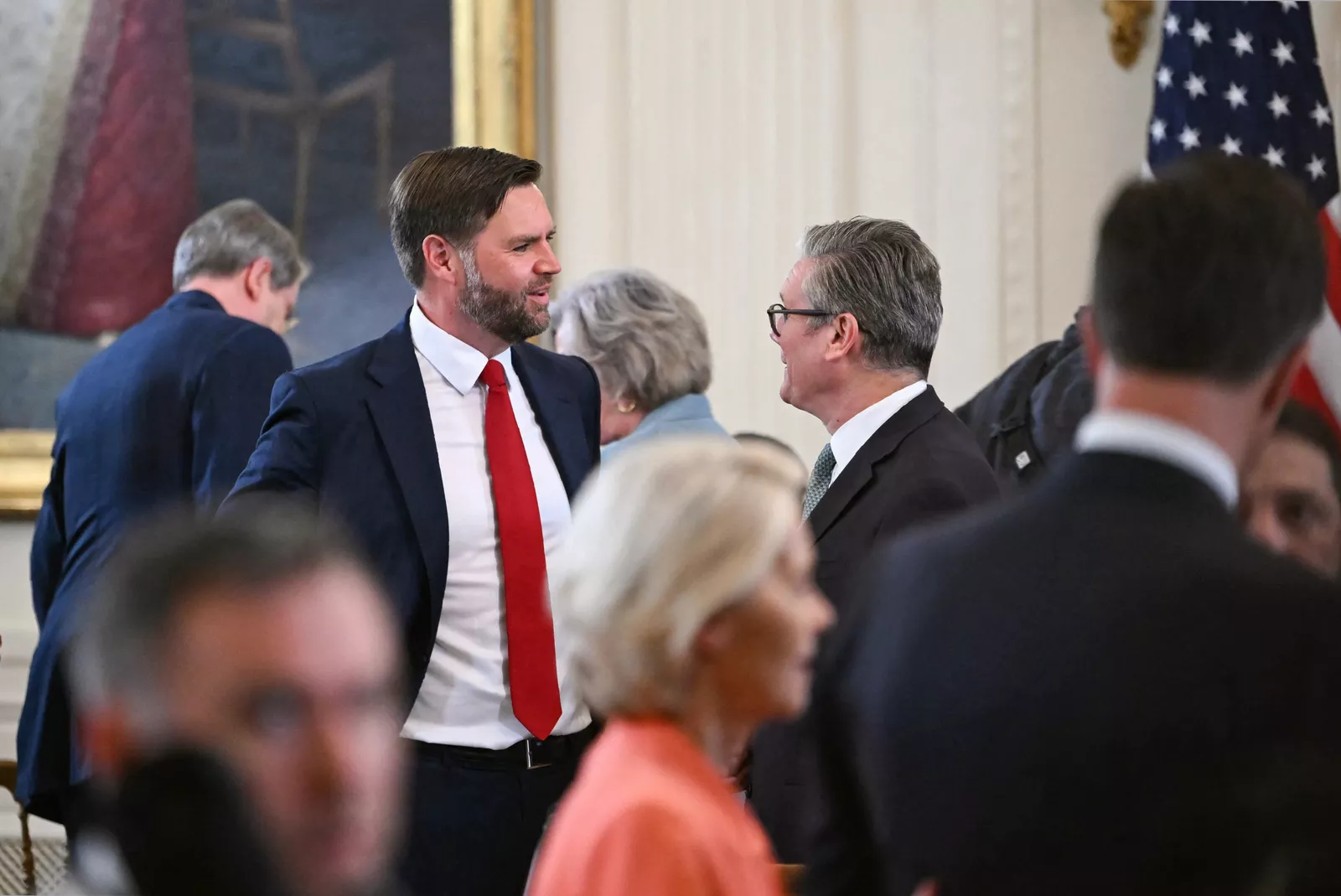
The spying allegations come as the broader relationship between London and Washington reaches what analysts describe as its lowest point in decades. The letter was sent just as the Prime Minister and US Vice President JD Vance publicly clashed over the murder of Henry Nowak, a case Mr Vance blamed on a “mass invasion of migrants” and what he called a “glaring symptom of civilisational decline”. Sir Keir Starmer responded by raging at “people trying to interfere in our democracy and stir up division in our streets”.
Days earlier, Sarah Rogers, the US under secretary of state for public diplomacy, revealed that the State Department’s newly established “free speech portal” at freedom.gov — a censorship circumvention project — had been inundated with complaints from British users. She said British citizens were visiting the portal in larger numbers than any other nationality, citing a government “hostile to freedom of speech”.
US officials, including Mr Jordan and Mr Vance, have repeatedly voiced concerns that the UK’s Online Safety Act infringes on free expression and could impact American citizens and tech companies. Mr Jordan has previously presented what he called “UK Censorship Files”, alleging that the British government attempted to censor online content, including criticism of itself and narratives deemed “wounding to the British state”.
The broader diplomatic backdrop is fraught. Last November the US State Department classified NHS-funded abortions as human rights violations as part of an overhaul of its human rights reporting that also targets gender-affirming care, hate-speech laws and migration policies. The US has also vetoed the UK’s attempt to hand sovereignty of the Chagos Islands to Mauritius, a move seen as a direct threat to British national interests.
On military matters, the US and Israel launched “Operation Epic Fury” against Iran on 28 February 2026, involving extensive airstrikes that reportedly killed Supreme Leader Ali Khamenei. Sir Keir Starmer initially rebuffed a request to use UK bases for offensive missions, drawing sharp criticism from President Donald Trump, who called Britain “uncooperative” and said Mr Starmer was “not Winston Churchill”. Although the Prime Minister later agreed to allow American planes to use UK bases, the episode strained relations further. Operation Epic Fury concluded after 38 days, with the US claiming its objectives had been met, though analysts have described the campaign as an “epic failure”.
The King’s state visit to Washington was intended to help mend the relationship, with King Charles delivering speeches that were widely praised. But President Trump continued to make remarks that strained ties, including claiming the monarch agreed with him on Iran. Relations have since deteriorated further over two-tier policing allegations and free speech rows.
A UK Government spokesman said the government would respond to Mr Jordan’s letter “in the normal way in due course”, but added there would be no comment on “operational matters, including confirming or denying the existence of such notices”. The spokesman said: “National security is our first priority. We have a longstanding legislative framework, including security and intelligence arrangements with the US, that enables us to tackle serious threats while safeguarding the privacy of our citizens.”