In a striking challenge to the two-decade dominance of The Sims, the independent life-simulation game Paralives sold 250,000 copies in its first eight hours on the PC games platform Steam after launching in early access in May 2026. On that launch day, the game hit a concurrent player count of 78,603 — close to the all-time peak of 96,328 that The Sims 4 achieved in 2022. The achievement underscores a growing appetite among fans of the genre for alternatives to Electronic Arts’ sprawling, $5bn (£3.8bn) franchise, which has defined virtual dollhouse gaming since Will Wright conceived it.
A creative revolution in building and customisation
At the heart of Paralives’ appeal is a suite of building and decorating tools that deliberately break the constraints long imposed by its rivals. Unlike The Sims, where item placement is restricted to predetermined slots and grids, Paralives allows players to position objects almost anywhere and freely adjust their height, length and width. If a set of curtains does not quite fit a window, the player can simply widen them until they do. This emphasis on quality-of-life features extends to personalisation: text on gravestones and doormats can be edited to the player’s liking, picture frames accept uploaded images, and a dedicated “medical clutter” decor section includes items such as wheelchairs, a sign language book and sanitary products.
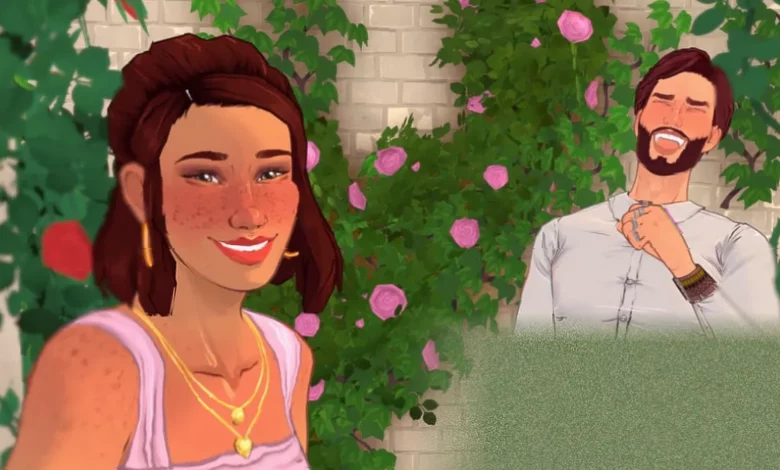
The game’s character creation, which governs the simulated people known as “Parafolk,” also pushes beyond the options found in the current market leader. Players can adjust hair, skin tones, height and body shapes with no gender constraints, and add realistic features such as cellulite, freckles, birthmarks and medical apparatus like hearing aids. Headscarves — a customisation option frequently requested for The Sims but still largely dependent on player-created mods — are present in Paralives from the start. This breadth of representation and body inclusivity has drawn favourable comparisons to another newcomer, Inzoi, which faced criticism for a lack of diversity in its character options.
Paralives has not been without its own stylistic controversy. The game adopts a heavily shaded, comic-book animation style reminiscent of Spider-Man: Into the Spider-Verse, a deliberate departure from the hyper-realistic approach taken by Inzoi. While not to everyone’s taste, the art direction supports the game’s embrace of absurdity. Small animations — such as a Parafolk buttering bread or frying an egg — sit alongside larger oddities: a secret maze inside the town hall, random meteor showers, and other “weird little details” that evoke the spirit of The Sims 2 and The Sims 3. By contrast, Inzoi can feel sterile, and the Sims series has gradually dialled back its more eccentric features (players may recall the ability to party with Drew Carey in earlier instalments).
An ethical alternative? The backdrop of EA’s Saudi-backed buyout
The release of Paralives coincided with a seismic shift in the ownership of its main competitor. In 2025, EA announced it had agreed to a $55bn buyout deal involving private equity firm Silver Lake, investment firm Affinity Partners — headed by Donald Trump’s son-in-law Jared Kushner — and Saudi Arabia’s sovereign wealth fund PIF, which is controlled by Crown Prince Mohammed bin Salman. The crown prince is widely believed to have orchestrated the assassination of journalist Jamal Khashoggi. The news sent shockwaves through The Sims community, which has long been known for its LGBTQ+ inclusion. Some players began boycotting the franchise over Saudi Arabia’s severe human rights restrictions and fears that the acquisition could affect queer content in future games.
This discontent has been compounded by growing frustration over the pricing and content of expansion packs for The Sims 4, which cost £35 each and have been criticised by many in the community as increasingly short on material. Against this backdrop, Paralives is positioned as a more ethical alternative. It is developed by an independent studio with no corporate parent. The project began in 2019 as a solo effort by Montreal-based designer Alex Massé, who funded the initial work through the crowdfunding platform Patreon. By 2020, Massé was receiving nearly $40,000 a month from almost 9,000 patrons. The team, now known as Paralives Studio, has grown to about 15 people.
The game is priced at £33.50, and the developer has committed to releasing additional content — including changing seasons, customisable pets and gardening — through free updates, rather than paid expansion packs. These features are all available in The Sims 4, but only through paid-for DLC. According to the developer’s publicly shared roadmap, the plan is to continue building the game in close consultation with the community that funded it, a transparency that many long-time Sims fans say they have missed. Paralives may still be rough in places, but its return to player-driven creativity and its willingness to lean into the absurd have already drawn a quarter of a million players in a single day — proof that the genre’s landscape is beginning to shift.