Long Covid leaves business owner with crippling exhaustion and difficulty managing company

Cognitive rehabilitation has enabled long Covid sufferers to achieve their personal goals, providing a structured pathway back to work, hobbies and daily functioning. The first treatment to show a lasting, clinically meaningful benefit for the cognitive symptoms of the condition—such as brain fog, memory lapses and poor concentration—offers new hope to the estimated two million people in England and Scotland who were still experiencing long Covid as of March 2024.
Adrian’s struggle
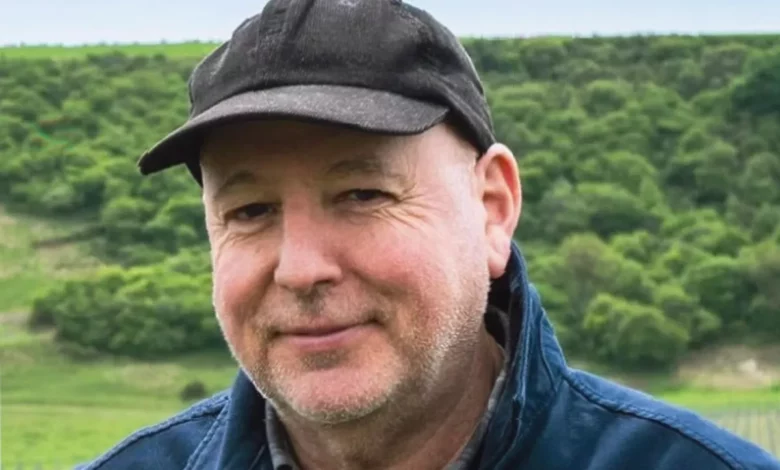
Adrian Black, a 62-year-old from Brighton, was running a property business, chairing a local charity and managing an Airbnb before long Covid upended his life. He first caught Covid in spring 2020 and was not particularly unwell, but after several reinfections he began noticing “weird symptoms” in November 2021. Extreme fatigue set in: on bad days he would get up, have breakfast and then go back to bed. He started stammering and forgetting appointments—something he said he had never done before. A day trip to London with his wife left him with his head down on a café table, unable to move.
A GP referred him to a neurologist to test whether the brain fog and anxiety were caused by a tumour or degenerative disease, but doctors found nothing wrong and suggested it could be long Covid. For most people, Covid symptoms last one or two weeks; for the roughly two million people affected long-term in the UK, the effects have persisted for months or even years—bringing brain fog, fatigue, shortness of breath, anxiety and heart palpitations. Mr Black went from being “productive” to unable to work full-time, struggling to keep track of appointments and, on top of that, facing the shame of stammering even when speaking with his family.
How the trial worked
Researchers at University College London (UCL) launched a clinical trial involving 78 participants in England who had experienced cognitive long Covid symptoms for at least three months. The results were published in JAMA Network Open. Participants were split into two groups: half received a 10-week cognitive rehabilitation programme delivered through hour‑long, one‑to‑one video sessions with a therapist; the other half continued with standard NHS treatments.
Rather than targeting specific cognitive tests, the therapy focused on individualised strategies to help each person achieve their own rehabilitation goals. Participants set three goals they wanted to attain—such as remaining focused to watch an entire film, concentrating on a book, returning to work or improving work performance. Therapists then helped them devise practical strategies to reach those goals. This approach, known as cognitive rehabilitation therapy (CRT), is an established method for relearning or compensating for cognitive skills lost after brain injury or neurological conditions. It involves education, process training, strategy training and functional activities tailored to the individual.
The results were striking. Three months after completing the programme, 84% of participants in the cognitive rehabilitation group reported significant improvement in achieving their goals, compared with 53% in the standard‑care group. After six months, 53% of those who had undergone cognitive rehabilitation maintained substantial improvement, compared with just 15% in the comparison group. The study also found improvements in executive function measures, including cognitive flexibility and processing speed, among those receiving the treatment. Early findings suggest the programme may be cost‑effective.
Lead author Dr Martina Vanova, who completed the research at UCL before moving to Kingston University, said: “As many as one in three people with Covid go on to develop long Covid, and cognitive difficulties are among the most common symptoms that can persist for months, disrupting day‑to‑day functioning and quality of life. People might find it hard to focus or hold on to their thoughts as they struggle with memory, attention and planning, often compounded by fatigue.” Professor Dennis Chan from UCL’s Institute of Cognitive Neuroscience is joint senior author of the study.
The significance of the trial, researchers said, is that it is the first treatment to show a clinically meaningful and lasting benefit for the cognitive difficulties associated with long Covid. While CRT has previously been used for conditions such as stroke and dementia, this study demonstrates its efficacy for long Covid—a condition that has driven an estimated 80,000 people out of the UK workforce by March 2022 and contributed to rising economic inactivity due to long‑term sickness.
Broader data from the GP Patient Survey for NHS England in 2024 indicate a prevalence of 4.6%, potentially equating to around 2.5 million people aged 16 and over in England. Many sufferers have had symptoms for more than two years, and some from 2020 are now experiencing them for over four years. Long Covid is not evenly distributed: it is more commonly reported by women, people aged 35 to 69, and those with pre‑existing health conditions. Rates are higher in more deprived areas and among health and social care workers.
Anxiety is a common symptom of long Covid and can exacerbate cognitive difficulties; one study suggested that anxiety could limit the favourable effects of cognitive rehabilitation, underlining the importance of addressing mental health alongside cognitive therapy. The NHS in England has invested in specialist post‑Covid services offering multidisciplinary assessments, rehabilitation and support.
Adrian’s ongoing recovery
Mr Black made very specific goals for himself: one was to remember where he left an activity after being distracted; another was to talk to groups of people again after struggling with a stammer. With the help of the programme, he eventually achieved these—speaking at a charity event and planning out tasks methodically. “I was getting in a mess because I was starting things and forgetting things. I was used to being someone who was quite productive, but by putting a structure and plan in place, I was making fewer mistakes,” he explained.
The 10‑week programme helped him “work within new limits” and “get control of life”. He now has greater command over his fatigue, brain fog and anxiety. Yet he estimates that he is still only 80% of who he used to be.