As Chelsea prepare to face a dominant Arsenal side this weekend, the contrast between the two clubs extends far beyond the Premier League table. It is a story of two projects, each betting on a young manager, but diverging wildly in their execution and patience.
For Chelsea’s owners, Clearlake Capital and Todd Boehly, Arsenal’s resurgence under Mikel Arteta has become a guiding template. Since his appointment in December 2019, Arteta has reversed a prolonged decline, methodically building a team that now sits at the summit of English football. Chelsea’s own pivot towards youth and potential, a deliberate shift from the Roman Abramovich era, was conceived with a similar long-term vision: to find a galvanising figure capable of growing with a young squad.
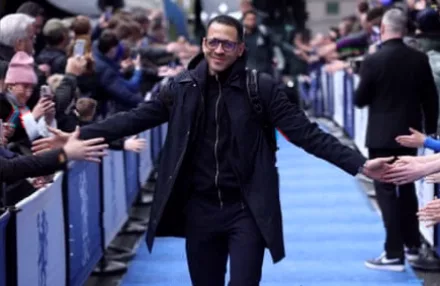
In 41-year-old Liam Rosenior, they believe they may have found their answer. His start has been encouraging, with eight wins from his first 12 games transmitting a quiet authority. Yet the fundamental question at Stamford Bridge is not merely whether Rosenior has the talent, but whether the club possesses the stability to allow any coach to flourish.
A Legacy of Instability vs. A Model of Patience
The numbers lay bare the chasm in approach. Rosenior is the fifth permanent head coach under the current ownership. Since Arteta took charge at Arsenal, Chelsea have churned through nine managers, including interims. This relentless upheaval is cited as a primary reason the club has not mounted a serious title challenge since their last league win in 2017.
Arsenal’s environment, by stark contrast, has been defined by stability and resolute belief. Arteta’s journey was far from smooth; by Boxing Day 2020, his team was 15th and winless in seven league games. His job hung in the balance. Yet the club’s trust never wavered, a commitment that only began to bear consistent fruit in the second half of the 2021-22 season and has been rewarded with consecutive title challenges.
Arteta’s role is pivotal. He is the manager in the fullest sense, the face of the club and the individual knitting football operations together. His tactical philosophy, built on possession, pressing, and meticulous detail, has been ingrained through time and repetition. Arsenal’s recruitment has strategically targeted established, experienced players like Martín Zubimendi, Noni Madueke, and Eberechi Eze to fill specific holes and provide immediate quality—a marked point of difference from Chelsea’s model.
Chelsea’s Persistent Fault Lines
While capable of brilliance in cup competitions—beating the champions of England, Italy, Spain, and France in the past year and facing Paris Saint-Germain in the Champions League last 16—Chelsea’s league form exposes deep-seated issues. A recurring lack of maturity has seen them drop 19 points from winning positions this season.
This mental fragility is compounded by a severe discipline crisis. Chelsea have received eight red cards across all competitions this season, with six coming in the Premier League alone—matching a club record with games to spare. Players like Malo Gusto, Wesley Fofana, and Marc Cucurella have been dismissed, often for needless infractions. Crucially, six of those red cards have come in matches where Chelsea subsequently dropped points, as was the case when Fofana’s second yellow against Burnley preceded a stoppage-time equaliser. The team also sits bottom of the Premier League’s fair play table.
The squad’s volatility is mirrored in the transfer strategy. While the aim of hoovering up global young talent is clear, results are mixed. João Pedro has shone, but a signing like Liam Delap, arriving for circa £30 million, has managed only two goals and four assists in 24 games, sparking speculation about his future. This inconsistency, alongside the exits of earlier acquisitions like João Félix, underscores the challenge Rosenior faces in building a coherent team from a collection of promising but raw individuals.
The Ultimate Test of Faith
Rosenior’s immediate task is to lift standards and instill habits in the Premier League’s youngest squad. He must address the careless lapses, like Gusto’s pointless no-look pass against Burnley, and cultivate a mentality resilient enough for the relentless grind of a title race.
Yet his long-term prospects hinge on a cultural shift within the club itself. Chelsea’s collaborative structure, featuring a head coach working with multiple sporting directors, is intended to breed stability. The owners have shown conviction by handing Rosenior a six-and-a-half-year deal. However, true faith is only tested under fire.
As Arsenal’s journey proves, the blueprint requires more than just appointing a promising manager. It demands the nerve to stand by him during inevitable dips, resisting the clamour for change. Chelsea have found their young coach, a potential Arteta for a new era. The unresolved question, the one that will define their coming years, is whether they have finally found the patience to match.