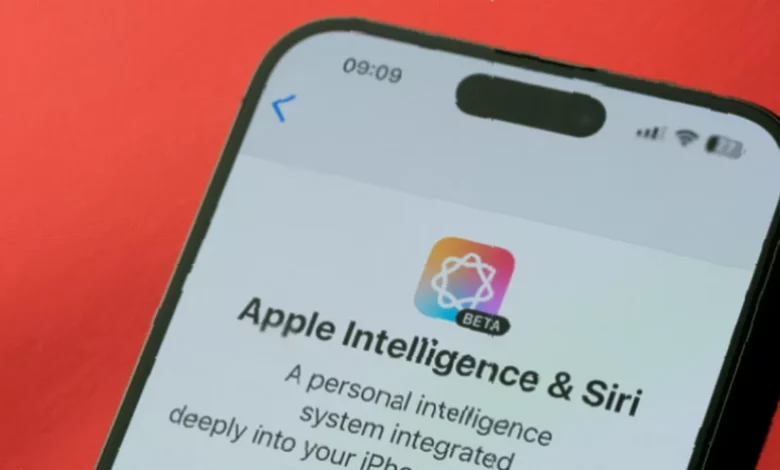
Apple has agreed to pay $250 million to settle a consumer class-action lawsuit that accused the company of misleading customers by promoting advanced Siri upgrades that were not ready for sale. The settlement, which requires court approval, covers claims that the tech giant marketed the enhanced voice assistant as a key selling point for the iPhone 16 lineup while knowing the features would be delayed by years.
Lawsuit alleged marketing of non-existent Siri capabilities
The lawsuit, filed in 2024 by Peter Landsheft in a California federal court, centred on Apple’s promotion of several Siri and software upgrades unveiled at its Worldwide Developers Conference that year. Plaintiffs argued that the company showcased AI capabilities for Siri that “did not exist at the time, do not exist now, and will not exist for two or more years”. Commercials featuring UK actress Bella Ramsey reportedly showed interactions with an AI-upgraded Siri using features unavailable to users. The alleged misrepresentation led consumers to purchase iPhones based on promises of functionality that was either non-existent or materially overstated, according to the complaint.
Apple advertised the upgrades as part of its Apple Intelligence platform alongside the launch of the iPhone 16 range. However, in March 2025 the company confirmed that the upgraded Siri experience would be delayed until 2026. Apple executives have since said the new Siri features will be introduced at the company’s developer conference next month. Internal testing reported earlier this year suggested that Siri still was not ready, with potential delays extending to late 2026 or even 2027 for a “true modernized, conversational version”.
Settlement terms and eligible claimants
Under the proposed settlement, eligible claimants in the United States are entitled to receive $25 per qualifying device. That amount could increase to as much as $95 per device depending on the volume of claims submitted. The settlement fund will also cover notice costs, administration costs, attorneys’ fees and expenses.
The agreement covers iPhone models with Apple Intelligence support purchased in the United States between June 10, 2024, and March 29, 2025. This includes the entire iPhone 16 range, as well as the iPhone 15 Pro and iPhone 15 Pro Max. Approximately 36 million US iPhone users could be eligible for a payout. Apple will begin inviting claim submissions within 45 days of the settlement announcement, which was made on May 5, 2026. Eligible users will need to provide proof of purchase, device serial number, phone number and Apple Account information. Further details are expected to be released by the law firm representing consumers.
Apple did not admit any wrongdoing as part of the settlement. In a statement issued to Reuters, the company said: “Apple has reached a settlement to resolve claims related to the availability of two additional features. We resolved this matter to stay focused on doing what we do best, delivering the most innovative products and services to our users.” The company noted that since launching Apple Intelligence in 2024 it has released other features, including Visual Intelligence, Live Translation, Writing Tools, Genmoji and Clean Up.
Shareholder lawsuit adds to legal pressure
Separately, Apple faces a shareholder lawsuit brought by South Korea’s National Pension Service, which alleges that the company’s messaging around the delayed features artificially boosted investor confidence and inflated its stock price before the setbacks became public. Apple has requested dismissal of that suit, arguing that stock price fluctuations are common and not necessarily caused by securities fraud.
The legal challenges come during a period of leadership change. Apple has announced that Tim Cook will transition from chief executive to executive chairman effective September 1, 2026, with John Ternus, currently senior vice president of hardware engineering, succeeding him as CEO.
Rivals advance while Apple lags
The delays in Siri’s AI upgrades come as competitors have already moved ahead with advanced features. Google’s Pixel range offers AI-first software including Call Screening, the Magic Eraser photo-editing tool and real-time translation. Samsung’s Galaxy line integrates AI with its hardware ecosystem, providing tools such as Live Translate and Generative Edit. The contrast has intensified competition in the premium smartphone market, where software capabilities increasingly drive purchasing decisions.