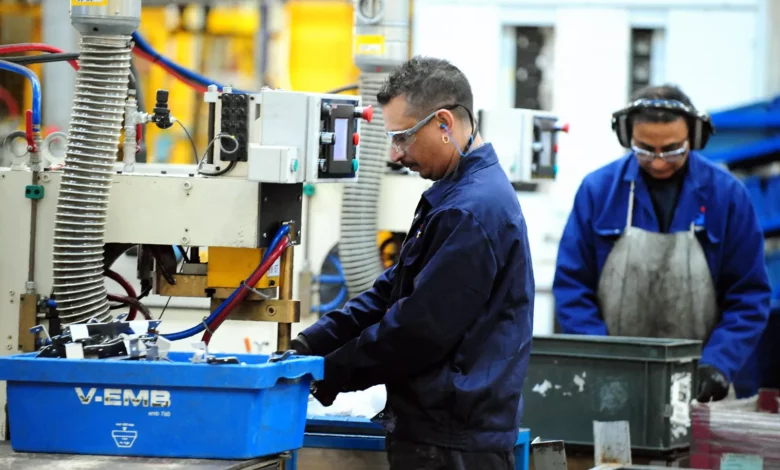
UK factory production reached a 21‑month high in June as manufacturers rushed to stockpile goods ahead of anticipated price rises and supply chain disruption stemming from the conflict involving the US, Israel and Iran, a closely watched survey has shown.
The S&P Global UK Manufacturing Purchasing Managers’ Index (PMI) recorded a reading of 52.5 for June, down from 53.9 in May but still above the 50‑point threshold that separates expansion from contraction. It marked the eighth consecutive month of growth for the sector, which spans automotives, aerospace, chemicals and food processing. However, the pace of overall expansion slowed as the rate of growth in new work intakes faded to its weakest since December 2025.
Production surge driven by stockpiling
The survey’s output index – which measures factory production – rose to its highest level since September 2024, accelerating for the third month in a row. S&P Global attributed the jump to manufacturers and their clients “strategically stockpiling” goods to insulate themselves from looming supply chain problems and higher costs. Within the sector, output grew in consumer and intermediate goods industries, while the investment goods category contracted.
Rob Dobson, director of S&P Global Market Intelligence, said firms were choosing to “safeguard against supply chain disruptions and expected price rises”. He added, however, that “a drop in the rate of growth of new work intakes suggests this boost is already starting to fade”, pointing to a potentially temporary nature of the production surge.
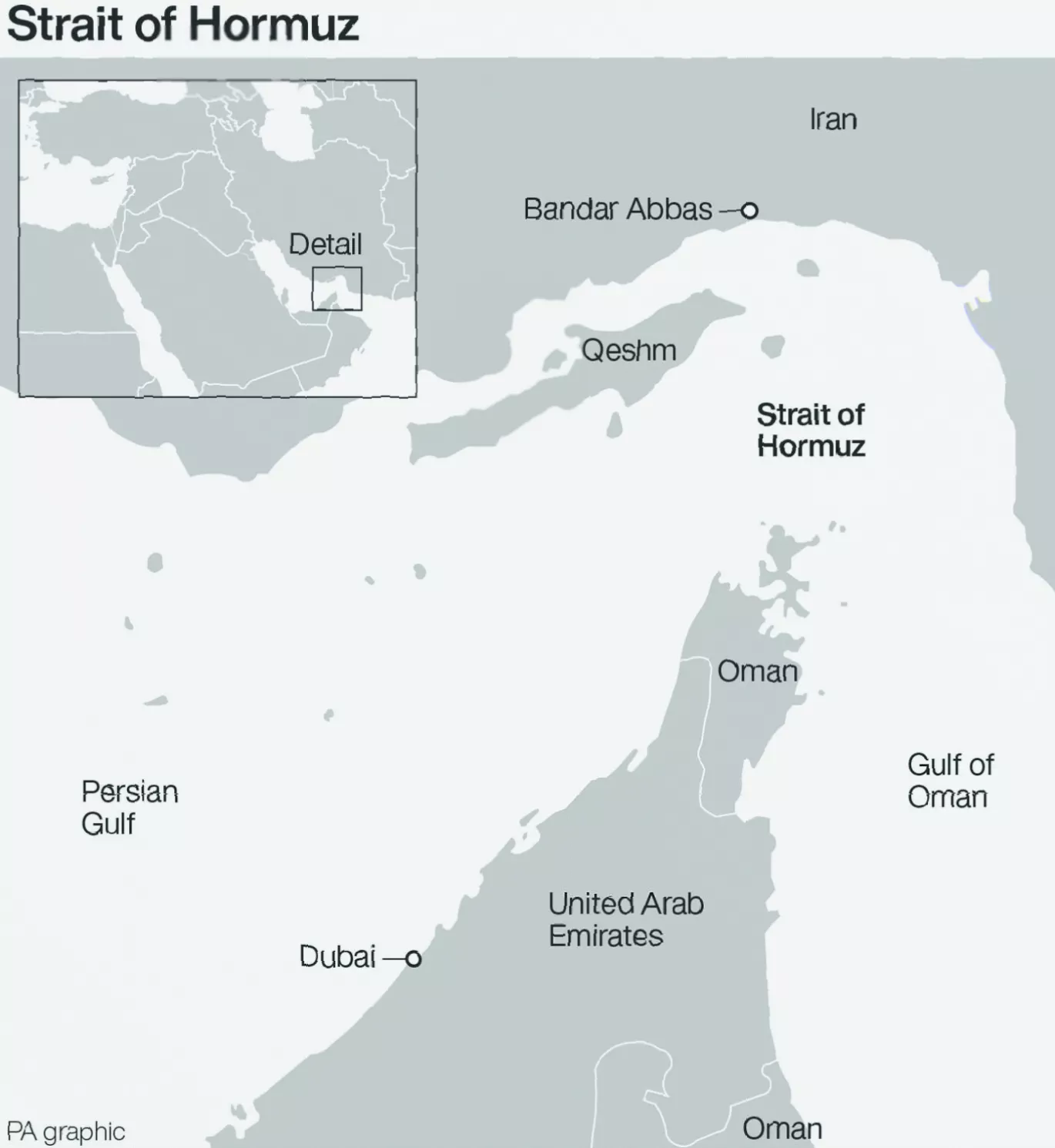
The stockpiling behaviour is a direct response to the conflict that erupted on 28 February 2026 between the US and Israel on one side and Iran on the other. The effective closure of the Strait of Hormuz – through which roughly a fifth of global oil exports pass – has disrupted global shipping routes, forced vessels to take longer paths such as around the Cape of Good Hope, and led to congestion at major ports in North Europe and East Asia, including Shanghai, Ningbo, Rotterdam and Antwerp.
Manufacturers have reported shortages of freight capacity, port disruptions and customs delays. Severely strained supply chains have also caused raw material shortages, driving up supplier charges. Although peace talks between the US and Iran are under way, conflicting reports on any reopening of the Strait and existing damage to energy infrastructure mean supply chain disruption is expected to persist.
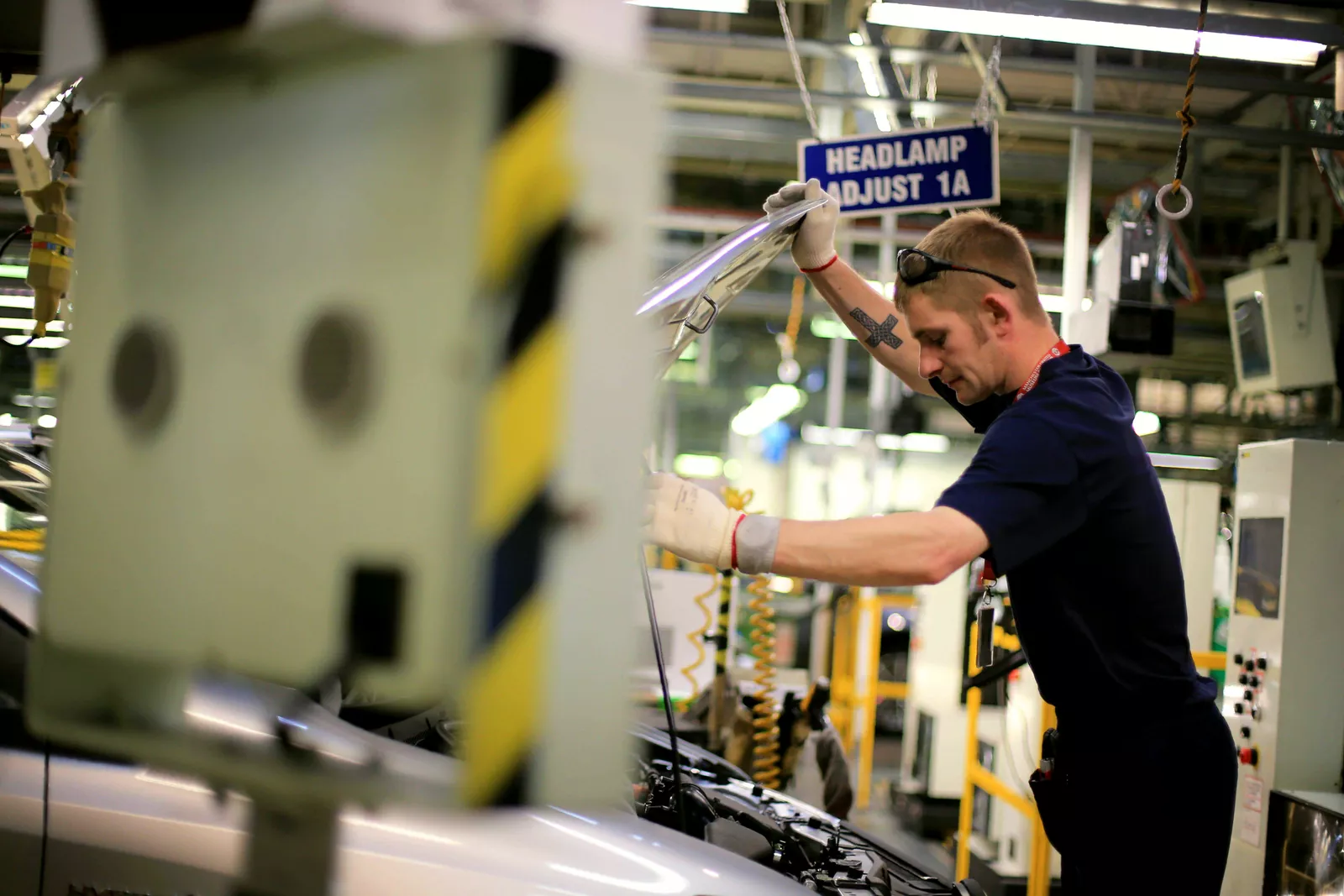
“Manufacturers’ optimism about the year ahead also remains tepid, with many concerned about geopolitical tensions and uncertain over the future course of government policy,” Mr Dobson said. The research briefing notes that geopolitical risk is now regarded not as an exceptional threat but as a structural part of the operating environment for UK manufacturers.
Price pressures and rising input costs
Energy prices have climbed sharply following the conflict and the closure of the Strait of Hormuz, hitting manufacturers that are heavy energy users. UK industrial electricity prices are significantly higher than in continental Europe and the US, prompting industry groups Make UK and the Trades Union Congress to call for urgent government support, including a £3 billion relief package.

Yet the picture on prices is mixed. Mr Dobson said severely constrained supply chains had led to raw material shortages and higher supplier charges, but a recent dip in energy prices helped cool the overall rate of inflation in June. The Bank of England held interest rates steady that same month, while closely monitoring the impact of higher energy costs on the economy.
Beyond energy, other commodity markets – including aluminium, fertiliser and helium – have also suffered supply disruptions and price rises. The fertiliser market has been particularly affected, with knock‑on consequences for agricultural output and food security globally. For UK manufacturers, the combination of elevated input costs, skilled labour shortages, difficulties securing new lending or refinancing existing debt, and persistent geopolitical uncertainty means the outlook remains cautious despite the temporary boost from stockpiling.