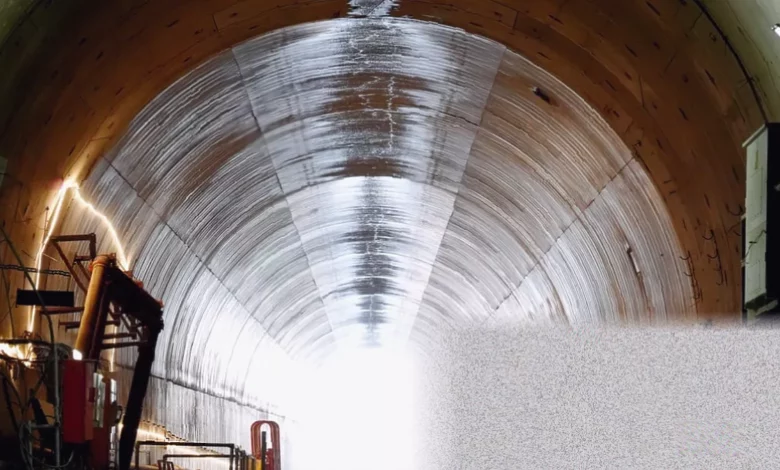
HS2 is already supporting more than 30,000 jobs and generating billions of pounds in regional economic development, according to industry leaders, challenging claims that the high-speed rail project should be abandoned. Deb Carson, head of operations at the High Speed Rail Group, said the scheme is sustaining highly skilled workers, apprenticeships and small and medium-sized enterprises across every region, from tunnel facilities in Hartlepool to local West Midlands firms. The bridges, viaducts and tunnels already delivered, she added, are a testament to Britain’s continued engineering excellence.
Jobs, growth and regional regeneration
HS2 Ltd, the non-departmental public body responsible for delivering the project, reports that it is supporting approximately 31,000 jobs, with a target of 30,000 construction roles. Since 2017, more than 2,000 apprenticeships have been created. The company also estimates that its four new stations will act as catalysts for local growth, supporting over 63,000 new homes and 49,000 new jobs. In the West Midlands and west London alone, HS2 is already starting to generate £20bn in development benefits over the next ten years, while development around Euston station could deliver an economic uplift of around £41bn and support 34,000 new jobs by 2053, according to HS2 Ltd projections.
These figures, rarely discussed in public debate, underline the project’s role as a driver of the UK supply chain and a builder of specialised skills in areas such as off-site manufacturing, carbon emission reduction during construction and tunnelling. The original plan, first mooted in 2009, envisioned early operations in the mid-2020s. Services between Old Oak Common and Birmingham Curzon Street are now expected to begin between May 2036 and October 2039, with the full scheme, including the link to London Euston, projected to open between May 2040 and December 2043. The government has confirmed its commitment to completing the current scope from Euston to the West Midlands, and a four-year funding settlement of £25.3bn for financial years 2026/27 to 2029/30 was confirmed in the 2025 Spending Review.
Addressing the capacity crisis
The fundamental reason HS2 was designed remains the same: the west coast mainline is full to capacity. Alex Stewart, writing in the Guardian, argued that there is no easy way of increasing the number of seats available without building a new line. “If HS2 is not built, it will simply mean even worse overcrowding on all services between London, Birmingham and Manchester,” he warned. “Fares will have to be set higher to limit demand, as has been the system since the second world war, regardless of whether the railway is nationalised or not.” He concluded that cancelling the project would doom future generations to higher rail fares, worse road congestion and even more crowded trains.
HS2 is intended to relieve pressure on the west coast mainline, promote a modal shift from road and air to rail, and provide vital freight capacity. The Transport Secretary has accepted a recommendation to reduce the operating speed to 320 kilometres per hour, aligning with leading European high-speed standards, a change that could potentially save between £1bn and £2.5bn. Critics, including Simon Jenkins, who described HS2 as “the wildest white elephant in British history,” and Julian Roberts, who called it a costly vanity project for engineers and politicians focused on shaving a few minutes off journey times, argue the project has lost sight of its purpose. Roberts recalled that a London meeting from Warrington had always meant a day away, and a half-hour saving would not change that.
The risks of walking away
Abandoning HS2 now would not save money, according to Deb Carson. Cancellation costs and the inevitable need for an alternative solution to the capacity crisis would impose their own huge bills, leaving the north permanently disadvantaged and sending a damaging signal that Britain no longer has the confidence to deliver major infrastructure. The project has suffered from significant cost overruns: initial projections in 2011 estimated £32bn, rising to £56bn by 2018, and the latest government estimate for the remaining cost is between £87.7bn and £102.7bn in 2026 prices. Contributing factors include mismanagement, excessive initial design, inefficiency, inflation, optimism bias, poor contract management, and starting construction before designs were completed. Ground conditions were also poorer than expected, necessitating more structural work.
Environmental concerns have also been raised. The Environmental Statement for Phase 1 indicated the destruction of ancient woodland, farmland and important habitats for wildlife. HS2 Ltd forecasts that 95% of passengers will move from less polluting modes of travel or would not otherwise travel at all, but critics question the project’s contribution to the UK’s decarbonisation agenda. HS2 has stated it is committed to building a greener railway, creating a “green corridor” with new wildlife habitats, although the number of ancient woodlands directly damaged remains a point of contention.
The same pattern of institutional denial and sunk-cost thinking is already emerging elsewhere in Britain’s rail sector, according to Stephen Mallinson. He warned that East West Rail, particularly the controversial eastern section route option known as CS3, risks becoming “HS2 in miniature.” The Department for Transport, he noted, continues to resist freedom of information requests seeking disclosure of the business case for CS3. The scheme’s own figures reportedly point towards a benefit-cost ratio as low as 0.3 – meaning barely 30p of value for every pound spent. East West Rail’s cost estimates range from £5.7bn to £6.6bn, and the project has already faced delays, including a dispute over driver-only operation that prevented passenger services on the western section despite physical work being completed. Mallinson said that billions are being “frittered away on speculative masterplans, consultations and promotional exercises while local transport priorities struggle for funding.”
David Campbell, comparing HS2 unfavourably with a 34-mile bridge and tunnel linking Hong Kong and Macau that began construction in 2009 and opened in 2018, argued that the incompetent management of UK infrastructure projects is “pathetic and highly embarrassing.” A significant portion of public opinion, reflected in social media analysis, focuses on cost overruns, delays and the perception of wasted taxpayer money, with some individuals reporting personal negative impacts from road closures and increased journey times during construction. MPs have criticised the Department for Transport and HS2 for lacking the necessary skills and capabilities, leading to billions wasted. The mismanagement of HS2 has also been seen as tarnishing the UK’s global reputation for handling large infrastructure projects.
The priority, Deb Carson argued, is now for industry, government and HS2 Ltd to work together to deliver HS2 within its revised scope. The question is not whether HS2 should be cancelled, she said, but what a congested, unreliable rail network would ultimately cost the country. Stephen Mallinson countered that cancelling failing projects is not weakness but responsible government, calling for the same ruthless reassessment now demanded of HS2 to be applied to East West Rail before even more public money disappears. The government, meanwhile, has committed £15.6bn to local transport in England – described as the biggest ever such investment – alongside the continued funding of HS2, underscoring the scale of competing demands on national resources.