Drivers will receive the first business mileage rate increase in 15 years, with Chancellor Rachel Reeves confirming the tax-free allowance will rise by 10p to 55p per mile for the first 10,000 business miles driven each year. The increase, backdated to 6 April 2026, applies to employees and self-employed individuals using their own cars or vans for work-related travel, though it does not cover normal commuting.
The previous rate had been frozen at 45p per mile since 2011 despite soaring fuel prices and higher motoring costs. The Treasury estimates the change could save around £120 annually for someone driving 6,000 business miles each year, while for those covering the full 10,000‑mile threshold the annual allowance rises from £4,500 to £5,500 – a potential saving of £1,000.
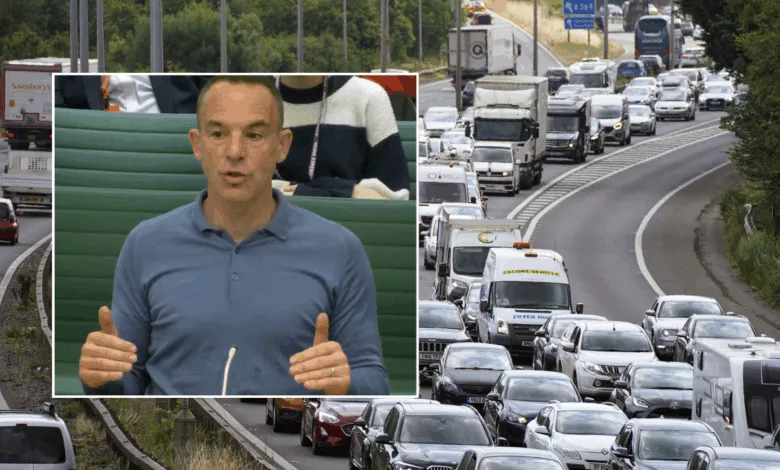
Martin Lewis described the announcement as “the big one” and “really important”, telling BBC Radio 5 Live that the increase from 45p to 55p is crucial for workers who rely on their vehicles every day. He said many employees, including carers travelling between homes, use their own cars throughout the day and face significant running costs. Unison has also welcomed the move, saying it will provide immediate help for frontline public‑service workers during a period of rising living costs.
The money‑saving expert explained that under the HMRC‑approved scheme, employers can pay workers mileage expenses tax‑free up to the 55p rate. However, he stressed that workers can still claim support even if their employer pays less than the full allowance. “If you’re not given that level, you can claim the tax back on the difference between what you’re given and that amount,” he said, giving an example: “If you’re given 30p/mile, you can reclaim tax paid on your wages for the 25p/mile difference.”
How to claim tax relief on the shortfall
Workers whose employers pay less than the approved HMRC rate can claim tax relief on the shortfall through HMRC or via self‑assessment tax returns. The process allows the employee to reclaim the tax they have paid on the difference between what their employer reimburses and the official 55p rate. For basic‑rate taxpayers, this effectively means recovering 20p for every £1 of shortfall; for higher‑rate taxpayers, 40p.
Self‑employed individuals can also benefit by deducting the new mileage rate from their business profits on their self‑assessment return, thereby reducing their tax bill. HMRC has updated its official guidance to reflect the new rate, and the agency’s Approved Mileage Allowance Payments (AMAP) system is the mechanism through which employers can pay up to 55p per mile tax‑free. It is important to note that most employees in the UK cannot claim mileage on their personal tax return unless they fall into specific exceptions – such as Armed Forces reservists, qualified performing artists, fee‑basis government officials, or those with impairment‑related work expenses – which underscores the importance of the employer‑provided AMAP route.
The 55p rate applies only to the first 10,000 business miles travelled during a tax year. After that threshold, the lower rate of 25p per mile continues to apply. The increase covers cars and vans, while rates for motorcycles (24p per mile) and bicycles (20p per mile) remain unchanged. For those in the Scottish public and healthcare sectors, different collectively agreed mileage rates may apply, and individuals in those roles should check with their employers.
Broader summer savings package
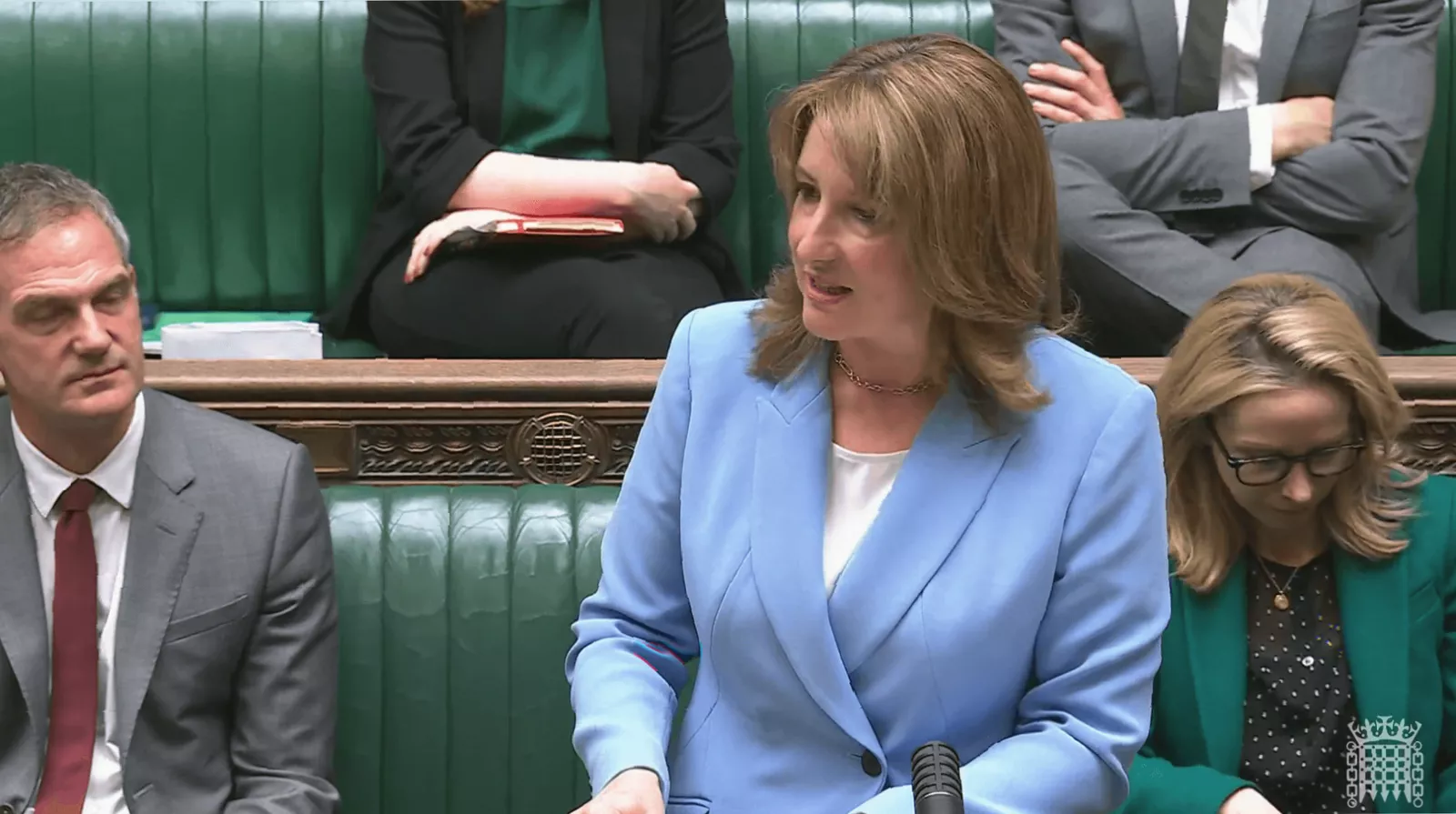
The mileage allowance increase was announced as part of Labour’s “Great British Summer Savings” package aimed at helping households manage living costs. Speaking in the House of Commons, Chancellor Reeves said: “I can today announce a 10p per mile increase in tax‑free mileage rates backdated to April 2026, benefiting those who drive to work.” She added that the government was continuing support measures already in place, including freezing fuel duty.
Alongside the mileage changes, Ms Reeves announced a temporary VAT cut on family attractions from 25 June to 1 September 2026, reducing the rate from 20% to 5% on eligible activities across England, Wales, Scotland and Northern Ireland. This covers children’s meals in restaurants, children’s tickets for cinemas, theatres, concerts, shows and exhibitions, as well as admissions to amusement parks, fairs, museums, zoos, soft play centres, circuses, adventure parks, nature reserves, wildlife parks and observation attractions. The scheme is estimated to cost around £300 million.
Children aged five to 15 in England will be able to travel free on participating local bus services throughout August 2026, with no registration required. The government has committed over £100 million to fund the scheme, which could save a family with two children making a weekly return trip at a £1.50 child fare approximately £27 in August. A separate “Weekend Hopper” fare has been announced for London, offering unlimited bus and tram travel across the entire weekend for a single fare of £1.75 from late July to 31 August 2026.
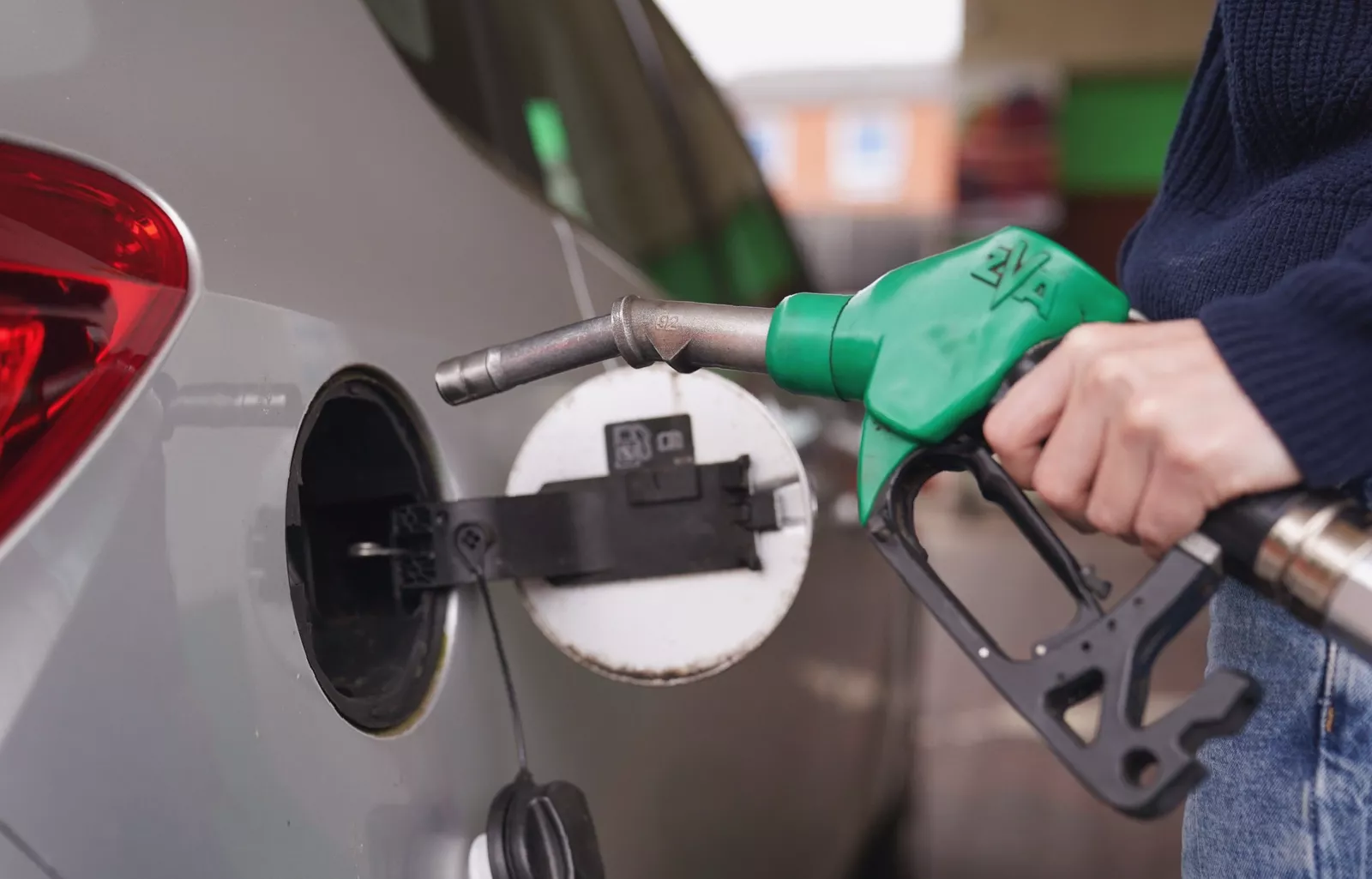
On fuel duty, the planned increase has been delayed and the existing 5p per litre cut – originally introduced in March 2022 – will remain in place until at least 31 August 2026. The Treasury estimates the freeze will save the average driver around £120 over two years, with staged increases planned after that date pending further announcements at the Autumn Budget. Rail fares in England have also been frozen for 2026 – the first time in 30 years – covering regulated fares such as season tickets, peak returns for commuters and off‑peak returns between major cities. The freeze is expected to save passengers approximately £600 million in 2026/27, with commuters on some routes saving over £300 annually. Unregulated fares, such as First Class and Advance tickets, may still see increases, although train companies typically align with regulated fare changes.
Unison has welcomed the mileage allowance increase, stating it will provide immediate help for frontline workers in public services.