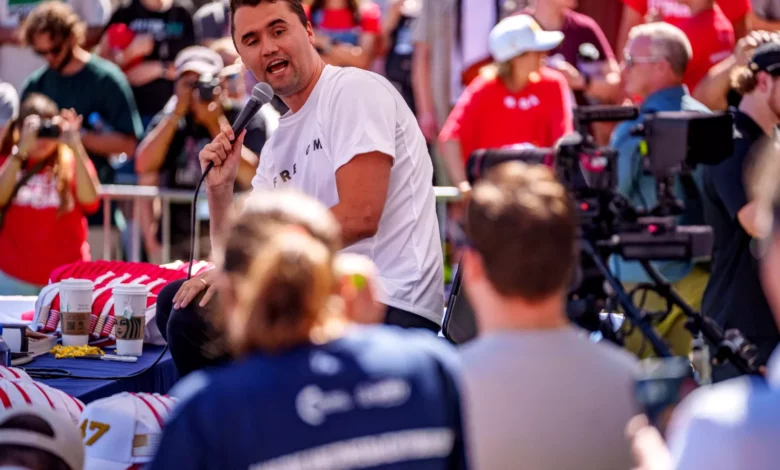
Hunter Kozak has spent eight months replaying a single question in his head. The mathematics student at Utah Valley University was the last person to speak with conservative activist Charlie Kirk before he was shot and killed on stage during a campus event in September 2025. Kozak still wonders whether the question he asked — a challenge to Kirk’s claims about transgender people and mass shootings — set in motion the chain of events that ended with Kirk’s death.
“I wonder so much about how it would have played out differently if I had asked that question and Charlie died defending the Epstein list instead,” Kozak said. “It’s very strange to think about how small choices I made went on to affect the whole political climate.”
Psychological toll and self-blame
Kozak, 29, spent weeks preparing for the debate, memorising statistics on gun violence in the hope of changing minds. He had wanted specifically to challenge Kirk’s assertion that transgender people are more likely to be mass shooters. Instead, seconds after their exchange, Kirk was fatally shot.
In the aftermath, Kozak described experiencing “profound grief” and struggling to interact with others because of the unique nature of what he had witnessed. “I’ve been dealing with profound grief after witnessing something like that. I think one of the hardest things about it is that I’m in a very unique circumstance, and I’m really struggling to interact with other people because of that,” he said.
Despite his strong political disagreements with Kirk — “I disagree vehemently with almost everything Charlie Kirk said” — Kozak emphasised the human cost. “But he was also a human being. He was a father-of-two like me, and his children have to grow up without a father.”
The fatal exchange
The shooting took place on September 10, 2025, during an event on Kirk’s “The American Comeback Tour” at Utah Valley University in Orem, Utah. Kirk, co-founder of Turning Point USA, had finished speaking and was encouraging audience members to debate him. Kozak stepped forward.
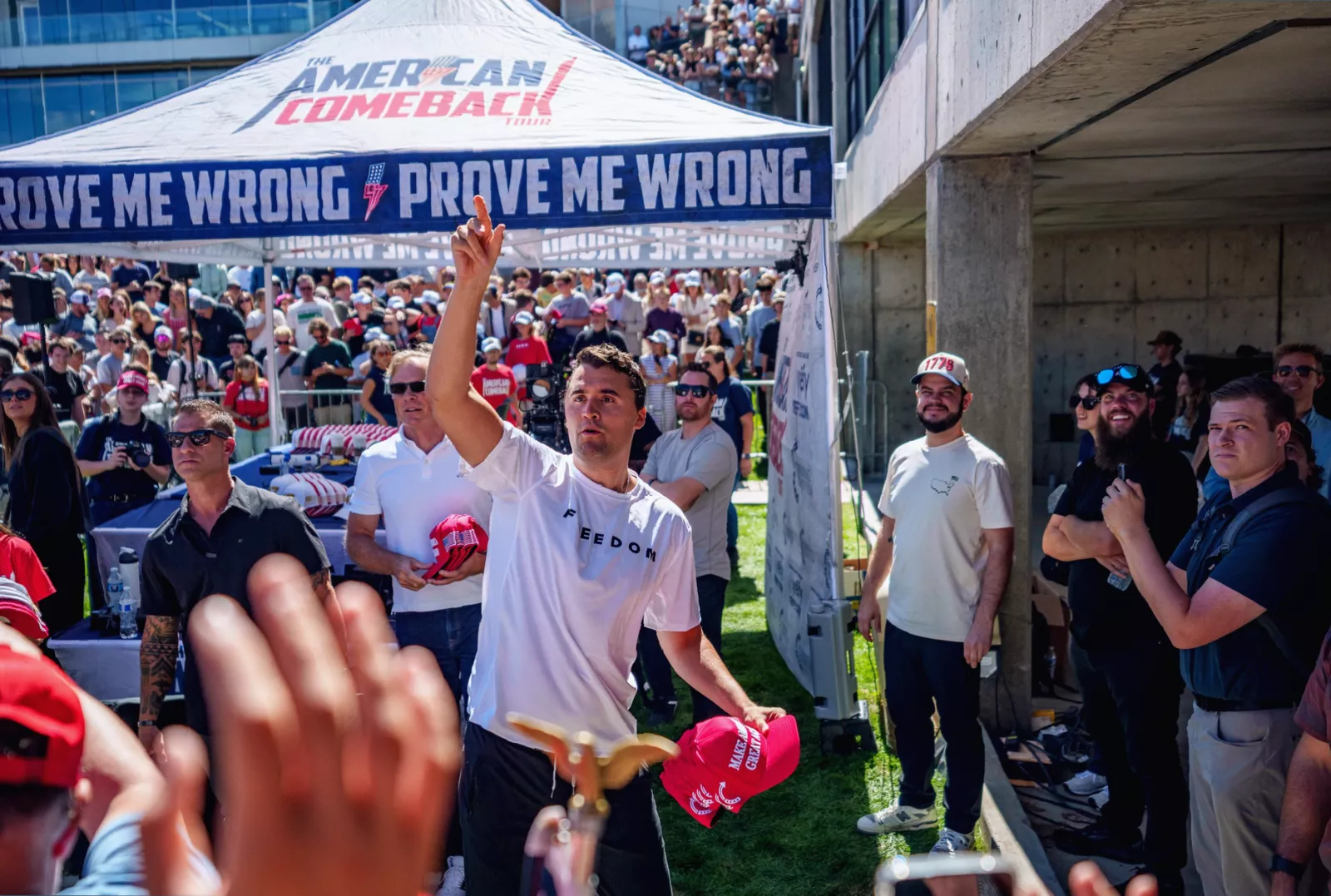
“Do you know how many transgender Americans have been mass shooters over the last ten years?” Kozak asked. Kirk replied, “Too many.” Kozak followed up: “In America, it’s five. Do you know how many mass shooters there have been over the last ten years?” Kirk responded with a question of his own: “Counting or not counting gang violence?” Seconds after Kozak answered “not counting”, a gunshot rang out. Footage captured in the immediate aftermath shows Kozak shaking for several seconds before ducking to the ground.
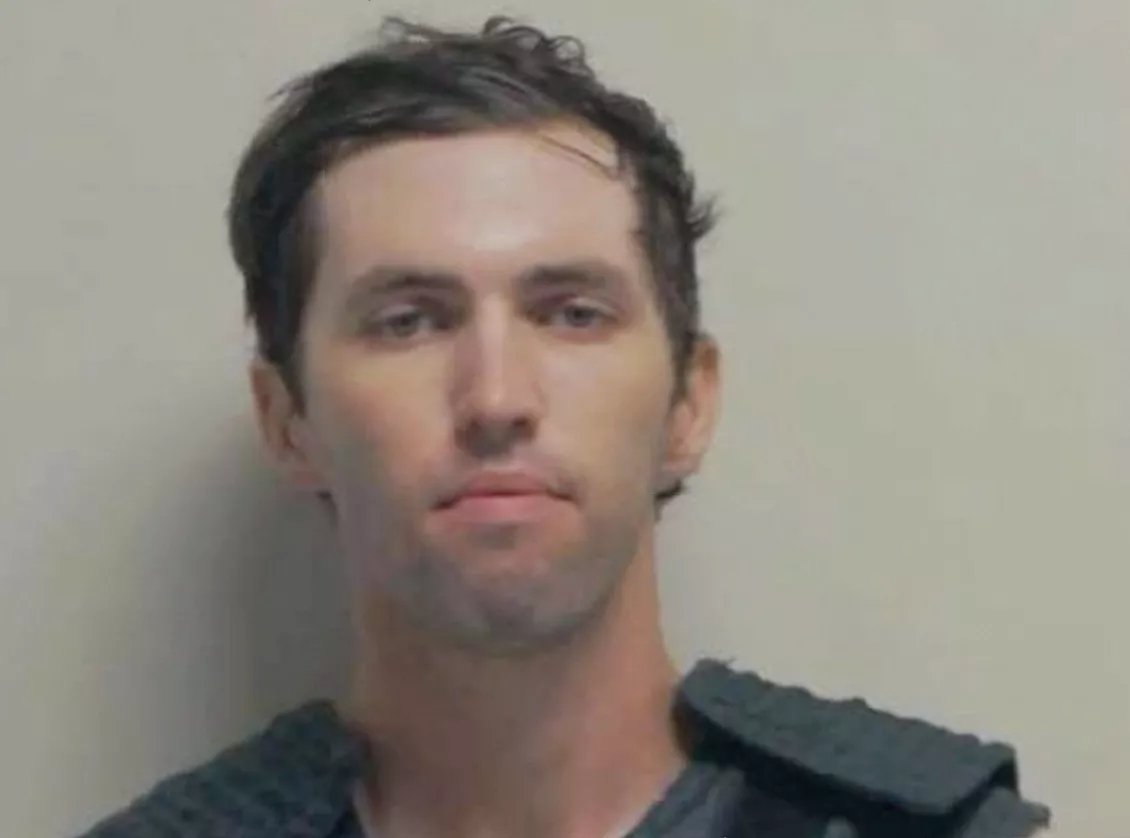
The suspect, Tyler Robinson, 22, was arrested after confessing to his father, who encouraged him to surrender to authorities. Robinson has been charged with aggravated murder, felony discharge of a firearm, and obstruction of justice. Prosecutors are seeking the death penalty.
According to court filings, Robinson’s mother said her son had become “more political” in the year before the shooting, leaning left and supporting “pro-gay and trans rights.” She also described heated arguments between Robinson and his father over differing ideologies. Robinson allegedly told investigators that Kirk “spreads too much hate” and that he had planned the attack for “a bit over a week.”
Robinson’s defence team has sought to limit media access and seal evidence in the case, citing concerns about pretrial publicity and the right to a fair trial. A hearing has been scheduled for May 19, 2026.
Conspiracy theories and online speculation
In the months since the shooting, Kozak has not only dealt with his own grief but also with accusations from conspiracy theorists who analysed footage of the incident frame-by-frame. Some have claimed he signalled to the gunman, while others have labelled him a “paid actor”. Kozak continues to receive death threats.
“Why would I need to give a signal? What would I give a signal of? And anyway, I was a few feet away from him, right in the line of fire. I don’t know, it all feels so bizarre,” he said. “People treated me as if I wasn’t a real person, like some character in their John Grisham novel.”
Right-wing social media accounts and commentators quickly speculated that the shooter was transgender, despite law enforcement statements that the shooter was believed to have acted alone. A report in The Wall Street Journal, citing an ATF bulletin, alleged that etchings on bullet casings found with the rifle contained “transgender ideology”. That reporting was later updated.
LGBTQ+ advocates cautioned against jumping to conclusions and blaming an entire community, noting that research indicates transgender people are more likely to be victims of gun violence than perpetrators. The shooting and the subsequent speculation fuelled a rise in anti-transgender rhetoric, with organisations warning that such narratives could lead to further political violence.
President Donald Trump commented on Robinson’s arrest, stating, “With a high degree of certainty, we have him,” and “I hope he gets the death penalty.” He also suggested that “vicious and horrible” people on the left were to blame for political violence.
Kozak has called for peace and civil conversation, urging that despite deep political divides, people still need to live alongside one another. Utah Valley University issued a statement acknowledging the tragedy, emphasising the importance of free expression and civil discourse, and offering counselling and trauma support services to its community.