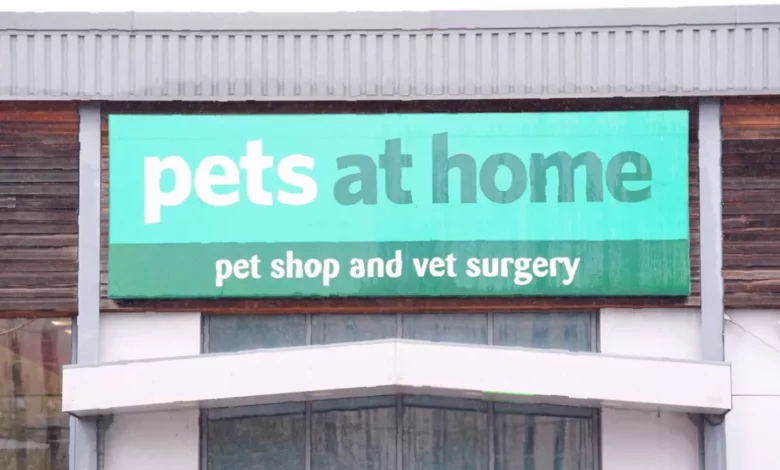
New boss James Bailey faces pressure to revive profit growth at Pets at Home after a sharp downturn in the retailer’s performance sent shares close to a seven-year low and forced the exit of his predecessor.
The company is expected to report an underlying pre-tax profit of around £93 million for the year to March, according to analyst estimates — a fall of roughly 30 per cent from the £133 million delivered the previous year. The decline has been driven by weak demand for discretionary products, particularly toys and treats, as households tighten their belts.
Bailey, formerly managing director of Waitrose, took the reins on 30 March 2026, succeeding Lyssa McGowan, who departed late last year as the retail arm’s struggles deepened. His appointment — following more than five years at Waitrose and two decades at Sainsbury’s — is seen by investors as a bid to restore the group’s retail fortunes. Ian Burke, who had served as interim executive chair, has returned to a non-executive role to support the handover.
Under Bailey, the company has drawn up a “Retail Turnaround Plan” with four priorities: product, price, execution and cost. The strategy aims to stabilise the retail business and return it to what the group describes as its “retailing roots”, supported by a target of £20 million in group overhead savings.
Discretionary spending squeeze hits pet treats and toys
The central challenge facing the new chief executive is the sharp cutback in discretionary spending by British pet owners. While the UK has an estimated 38 million pets and a pet care industry worth around £8 billion annually, the cost-of-living crisis has forced households to rein in spending on non-essential items.
Russ Mould, investment director at AJ Bell, said: “Pets at Home could badly do with some renewed pep. Under executive chair Ian Burke — who has now returned to a non-executive role after leading the business on an interim basis — Pets at Home laid out a plan to fix a retail business which has been badly affected by a reduction in discretionary spend on toys and treats for Britons’ furry and feathered friends. The country may have a reputation for loving their animal companions but in an environment where households are having to watch their pennies, these nice-to-have items were off the list.”
The impact has been stark in the group’s retail division. Underlying retail profits fell by 84.1 per cent in the first half of the financial year, dropping to £3.5 million from £22 million a year earlier, while retail consumer revenue declined by 2.3 per cent during the same period. Pets at Home has responded by cutting prices on around 1,000 products to appeal to cash-strapped shoppers looking for value, and the group also faces fierce pricing competition from supermarkets for pet food and similar staples.
Figures from the Office for National Statistics underscored the wider backdrop: UK retail sales volumes dropped to an 11-month low in April, falling 1.3 per cent month-on-month.
Vet division provides bright spot but retail drags
Not all parts of the business are struggling. The veterinary division has delivered robust growth, with sales climbing 6.7 per cent and underlying profits rising 8.3 per cent to £44.9 million in the first half of the year. The vet business now accounts for more than half of the group’s underlying pre-tax profit, driven by higher customer visits, increased average transaction values and expansion in Care Plan revenues. For the full year, analysts expect the Vet Group to contribute around £83 million and the retail arm about £30 million to underlying profit.
The company’s integrated model — combining retail, veterinary services and grooming — remains a unique selling point in the UK market, where Pets at Home holds an estimated 24 per cent share of the £7.2 billion pet care industry. The group has positioned itself as a “true pet care platform”, aiming to capture a greater share of each customer’s spending on their animals.
However, the veterinary sector faces scrutiny from the Competition and Markets Authority, which is investigating pricing and choice for pet owners. Pets at Home has said it expects no adverse impact on its Vet Group’s growth strategy from the inquiry’s outcome.
Cost pressures and digital shift
The retailer also faces rising operating costs, including an increase in employers’ national insurance contributions that added £18 million to its wage bill in the last financial year. To offset some of that pressure, the group is targeting savings and investing in digital channels. Online sales now represent around 20 per cent of retail sales, with double-digit growth, and Click & Collect accounts for at least a third of online orders.
Pets at Home has also set a long-term sustainability target of net-zero carbon emissions by 2040, with initiatives to reduce waste, use sustainable packaging and improve energy efficiency.
The group is expected to report full-year revenues of approximately £1.47 billion, marginally lower than the £1.482 billion posted a year earlier. Investors will be watching Wednesday’s update for early signs that Bailey’s strategy can halt the retail slide and restore momentum.