Britain saw its worst quarter for new businesses since records began, with the number of companies launched between January and March 2026 falling to 78,655 – an eight per cent drop on the same period last year and the first time quarterly formations have dipped below 80,000 since official records started in 2017.
According to the Office for National Statistics, business closures outstripped start-ups over the period, with around 83,200 firms shutting down. That left a net loss of 4,500 companies across the UK.
Rising tax burden blamed for collapse in entrepreneurship
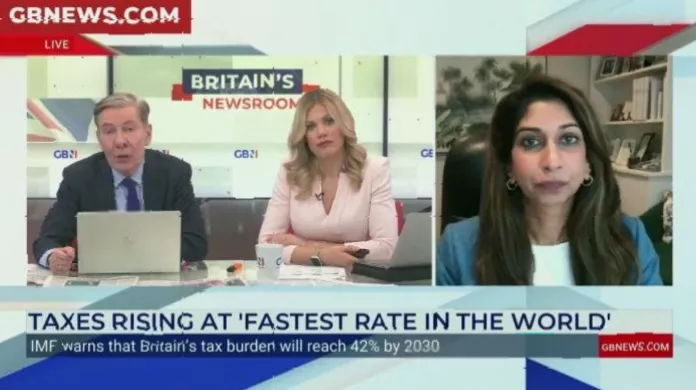
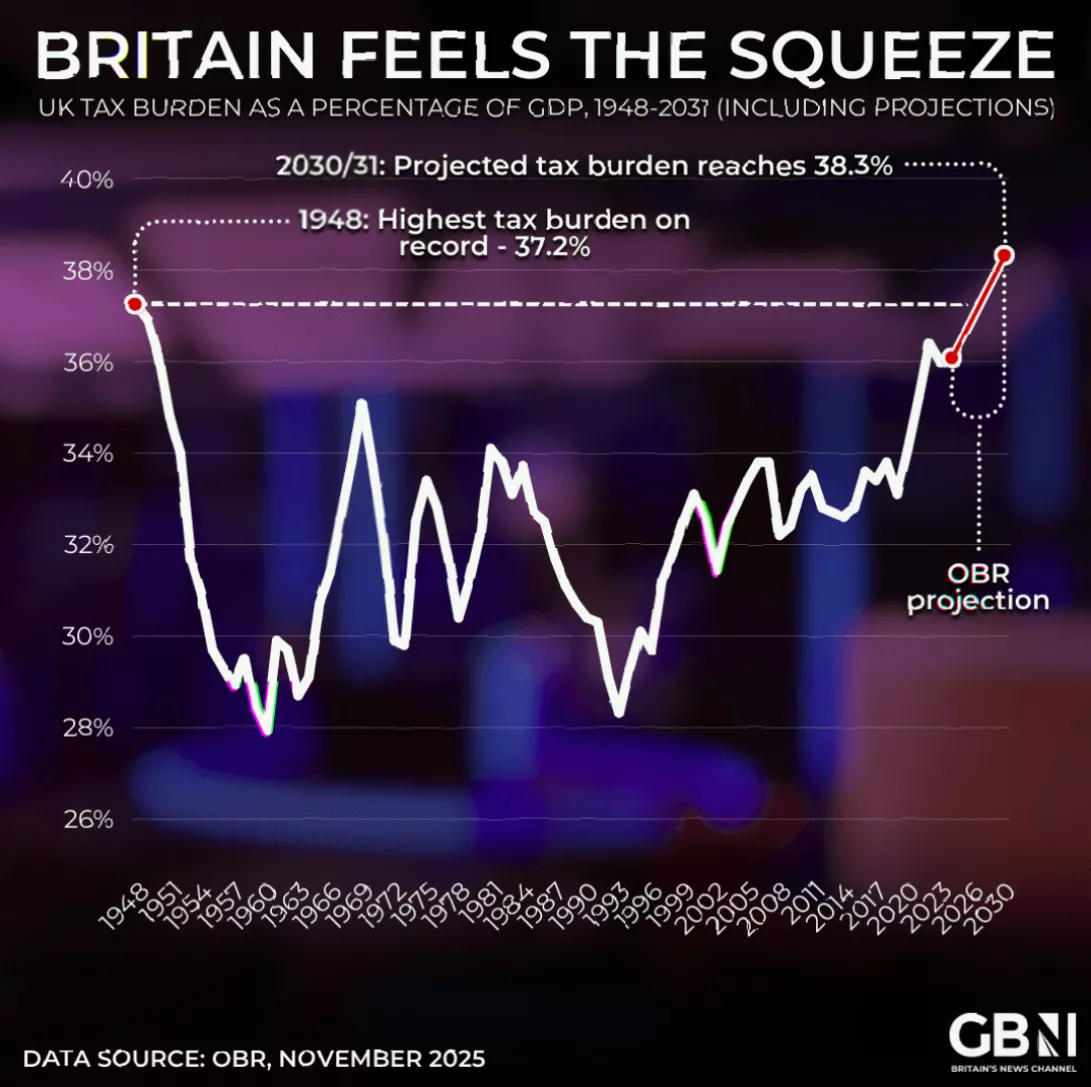
The ONS data comes alongside analysis from the International Monetary Fund showing the UK’s tax burden is rising faster than that of other major developed economies. The IMF projects government revenues will reach 42.1 per cent of GDP by the early 2030s – the highest peacetime level on record – driven primarily by increases to employer National Insurance contributions and changes to capital gains taxation.
From April 2026, the employer National Insurance contribution rate remains at 15 per cent, but the secondary threshold – the point at which employers start paying – has been cut to £5,000 a year, down from £9,100 before April 2025. The Employment Allowance has been raised to £10,500 and its £100,000 eligibility cap removed, offering some relief to smaller firms. The Lower Earnings Limit has also risen to £6,708 a year.
Capital gains tax changes have added to the strain. From 6 April 2026, the rate for gains qualifying for Business Asset Disposal Relief and Investors’ Relief rises from 14 per cent to 18 per cent, while the lifetime limit for BADR remains stuck at £1 million, meaning the tax cost of using that allowance has increased sharply. The annual exempt amount for CGT stays at £3,000 for individuals.
Dividend tax rates have also been increased by two percentage points – the basic rate moves from 8.75 per cent to 10.75 per cent, and the higher rate from 33.75 per cent to 35.75 per cent – while the tax-free dividend allowance remains at £500. Income tax thresholds, including the personal allowance of £12,570, are frozen until 2030-31, dragging more people into higher bands through fiscal drag.
Business rates are being reshaped from April 2026, with the Retail, Hospitality and Leisure relief ending on 31 March, new multipliers introduced, and a revaluation scheduled. A 15 per cent relief is available for eligible pubs and live music venues for 2026-27, and the Supporting Small Business Scheme has been extended by a year.
Beyond taxes, businesses face rising energy costs. The conflict in the Middle East has exacerbated pressure on heating oil prices, with thousands of independent firms – particularly in rural areas not connected to the gas grid – seeing bills double. The National Living Wage for workers aged 21 and over rises to £12.71 an hour from 1 April 2026, and rates for younger workers and apprentices also increase.

Political responses: ‘Unfolding disaster for enterprise’
Shadow Business Secretary Andrew Griffith seized on the figures, saying they showed “the unfolding disaster for enterprise with fewer businesses being started and wealth creators either leaving or concluding it’s not worth the effort.” He argued that economic growth depends on a Government willing to back entrepreneurs, and that current conditions are having the opposite effect.
A Labour spokesman acknowledged the challenges facing businesses, pointing to global pressures including disruption linked to the Middle East. He said the Government remains focused on making the UK an attractive place to start and grow a business, and cited the Small Business Plan, a £4 billion expansion of finance access for SMEs, measures to tackle late payments, and a £4.3 billion package of business rates support. Labour has also proposed legislating to tackle late payments, scrapping business rates in favour of a fairer system, revitalising high streets, boosting small business exports, reforming skills training, and speeding up the planning system. The British Business Bank has received increased resources to channel more finance to local businesses.
Experts warn of multiple pressures on entrepreneurs
Tina McKenzie, policy chair at the Federation of Small Businesses, said the ONS data “underlines in stark terms” the need for stronger support for entrepreneurs. She highlighted rising dividend taxes, business rates and charges on the sale of business assets as key pressures facing smaller firms.
The downturn has been felt across multiple sectors. Finance and insurance saw new company formations fall by around 25 per cent compared with early 2025, while health and social care recorded similar declines.
Anna Leach, chief economist at the Institute of Directors, said geopolitical tensions were adding further uncertainty. “The Middle East adds a new significant source of uncertainty into the business environment,” she said, noting that rising energy costs linked to the Iran conflict have compounded existing pressures. She added that recent increases to the minimum wage, additional regulatory requirements and tighter financial conditions, including higher borrowing costs, have all contributed to the strain on employers. The IoD’s Directors’ Economic Confidence Index fell to a record low in March 2026 as a result.
Markets currently expect the Bank of England to raise interest rates from 3.75 per cent to 4.25 per cent over the next year, though some forecasters predict rates will remain on hold at 3.75 per cent for the rest of 2026 because of Middle East conflict-driven inflation fears. Tighter credit conditions are making it harder for new and small businesses to secure the financing they need to start up or expand.