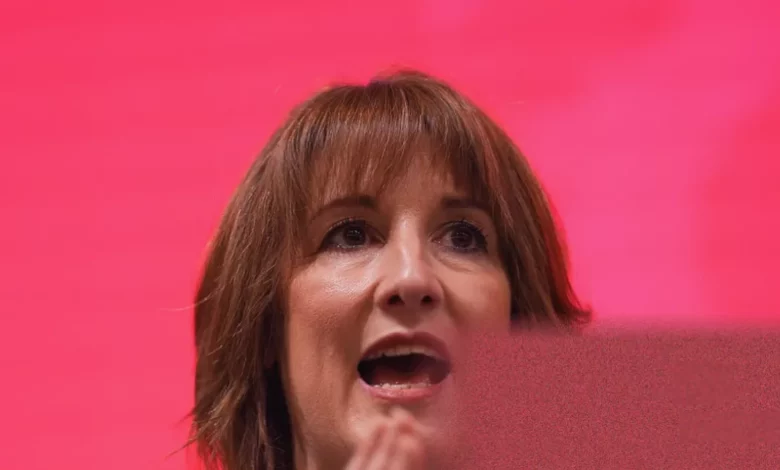
Chancellor Rachel Reeves will this week announce the cancellation of planned fuel duty rises, in a bid to shield motorists from soaring pump prices driven by the conflict in Iran. The move, expected to be confirmed in a statement to the House of Commons on Thursday, is part of a broader package of measures aimed at easing the cost-of-living crisis.
Fuel Duty Reprieve
Government sources said the chancellor will abandon a 1p increase in fuel duty that had been due to take effect in September, and that she could also cancel the entirety of a further 5p rise scheduled to be phased in over the following six months. The temporary 5p-per-litre cut first introduced by Rishi Sunak in March 2022 following Russia’s full-scale invasion of Ukraine has been extended twice and is currently due to expire at the end of August 2026. Without intervention, a 1p increase would have followed in September, with additional 2p rises in December 2026 and March 2027.
The decision reflects intense pressure on household finances as the war in Iran drives up global oil prices. Tensions in the Middle East, particularly concerning the Strait of Hormuz—a vital shipping route—have pushed crude oil above $100 a barrel, with Brent crude briefly peaking at $119.50. The impact at UK petrol stations has been stark: since late February or early March 2026, petrol prices have risen from around 131.71p per litre to 158.2p, while diesel has surged from approximately 140.28p to as high as 186.8p per litre. The value of fuel sales jumped by 11.6% in March alone.
By freezing duty rates, the Treasury will forgo an estimated £2.4bn a year. The broader cost of inaction is significant: fuel duty has not been increased since 2011, and successive freezes have cost the government roughly £120bn between then and October 2024. Revenue from fuel duty stood at about £24bn in the last financial year, meaning any delay in the planned rises will deepen projected budget shortfalls. The Resolution Foundation has warned that the Iran conflict will damage typical household incomes by £550 this year and increase government borrowing.
The prime minister’s spokesperson declined to comment on the specific plans but said: “The government is determined to keep costs down for motorists paying more because of the war in Iran. That’s why we’ve extended the 5p fuel duty cut twice, until September. While the chancellor will continue to monitor the situation, as the chancellor has set out, a rapid de-escalation in the Middle East remains the best way to keep pump prices low.” The Treasury declined to comment.
Richard Walker, the executive chair of Iceland and the government’s own cost-of-living champion, has publicly urged the chancellor to consider extending or even enlarging the 5p cut. Speaking on BBC Radio 4’s Today programme, he said: “The 5p fuel duty cut that you allude to is an interesting one. That’s going to expire in September. I think, given where we are, we do need to be thinking and talking about extending it or enlarging it.” He pointed to Australia, which cut its fuel tax by 14p per litre.
Industry groups have also pressed for action. Farming, manufacturing and construction bodies have warned that a tax hike would stall infrastructure projects and add to cost pressures. The RAC has highlighted the particular strain on tradespeople who rely on diesel vans, facing some of the steepest price increases.
Wider Cost-of-Living Support
The chancellor has been examining a range of other measures to ease financial strain, though officials confirmed that a freeze on private sector rents has been ruled out. Reeves is expected to wait until later in the year before announcing a package of energy bill relief, given that the price cap has been fixed until the end of June. Government sources explained that because energy usage is far lower in summer, the Treasury wants to assess the autumn outlook before deciding how much to commit. The July price cap is forecast to rise by between 11% and 30%, which could add £180 to £500 to average annual household bills.
Already allocated is £50m to subsidise heating oil for households that rely on it—many in rural areas, particularly Northern Ireland. That forms part of a wider £53m package for off-grid homes across the UK. In Northern Ireland, where around two-thirds of homes use oil heating, a £36.4m support scheme has been approved, offering eligible households a £100 prepaid card for over 300,000 families.
The fuel duty freeze is the centrepiece of a cost-of-living package designed to counteract the inflationary pressures from the Iran conflict. UK inflation accelerated to 3.3% in March 2026, driven by the biggest jump in fuel prices for more than three years, and analysts forecast it could hit 4% by the end of the year. The Bank of England now faces the prospect of delaying or reversing planned interest rate cuts; some economists have even suggested rate hikes may be necessary. The UK economy grew by a stronger-than-expected 0.6% in the first quarter of 2026, a figure Reeves has used to argue that her economic plan is working, but the Resolution Foundation warns that the war will ultimately depress GDP growth and raise living costs.
Political Turmoil
The chancellor’s announcement comes at a moment of acute political uncertainty for the government. Greater Manchester mayor Andy Burnham is seeking to contest the Makerfield by-election on a platform that explicitly challenges Sir Keir Starmer’s leadership, positioning affordability at its core. At an event in Manchester on Monday, Burnham declared: “Forty years of neoliberalism … created an economy that didn’t work for most working people. It led to people paying over the odds for the daily basics – energy, housing, water, transport.”
The by-election, in a traditionally safe Labour seat, is seen as a potential launchpad for a leadership bid. Burnham’s emphasis on the cost of living directly mirrors the pressures Reeves is seeking to address, raising the political stakes for the Treasury’s announcement. Any perceived failure to ease the burden on households could fuel his challenge, while a well-received package might shore up the prime minister’s position—at least for now.