
Many protein bars are simply high-calorie, ultra-processed snacks. That is the honest truth, according to dietitians and nutritional analysis, behind a product that has become a £850 million industry in the UK – projected to reach nearly £2 billion by 2030. Despite a glossy health halo and promises of weight loss, the reality is that a significant number of these bars are little more than candy in a gym bag, packed with sugar, artificial sweeteners and long lists of unrecognisable ingredients.
That does not mean protein bars are always a bad choice. In specific situations they can genuinely support weight loss – but only if they are used with intention and selected with care.
When protein bars can actually help
Protein is a proven ally in weight management. The NHS advises that consuming 60–80 g of protein daily can aid satiety, preserve muscle mass during fat loss and help stabilise blood sugar levels, reducing the urge to snack. For those exercising or lifting weights, protein needs can rise to 1.2–1.5 g per kilogram of body weight.
Protein bars offer a convenient shortcut in four key scenarios, according to nutrition experts and the original analysis. First, when replacing a less filling snack – such as biscuits, cake, crisps or a pastry – a bar with at least 15 g of protein can keep you fuller for longer and cut overall calorie intake. Second, during busy days when preparing a proper snack is impossible, a bar can serve as a quick backup. Third, after a workout, a protein bar helps support muscle recovery without requiring cooking. Fourth, between meals, a well-chosen bar can stave off hunger attacks that often lead to overeating later.
But crucially, protein bars are not a magic bullet. If they are simply added on top of normal meals and snacks, those extra 200–300 calories can easily tip the day out of a calorie deficit and stall weight loss.
The hidden pitfalls: what lurks inside the wrapper
The biggest problem with many protein bars is not that they contain protein – it is everything else they contain. A bar that boasts “high protein” on the front may still be ultra-processed, high in sugar or packed with ingredients that can upset digestion or even undermine health.
One of the most common culprits is maltitol, a sugar alcohol used to keep sugar low while maintaining sweetness. The UK’s Scientific Advisory Committee on Nutrition (SACN) recommends that free sugars should make up no more than 5% of daily energy – about 30 g for adults. Low-sugar bars often replace sugar with maltitol, sorbitol or erythritol. While these reduce calorie content, they can cause bloating, gas and diarrhoea, especially in larger quantities. Notably, some studies have linked erythritol to an increased risk of heart attack and stroke, though the evidence is not conclusive.
Artificial sweeteners are another common fixture. Sucralose, acesulfame K and aspartame appear on many ingredient lists. Some research suggests these chemicals may disrupt the gut microbiome and interfere with the body’s natural satiety signals, potentially making it harder to regulate appetite.
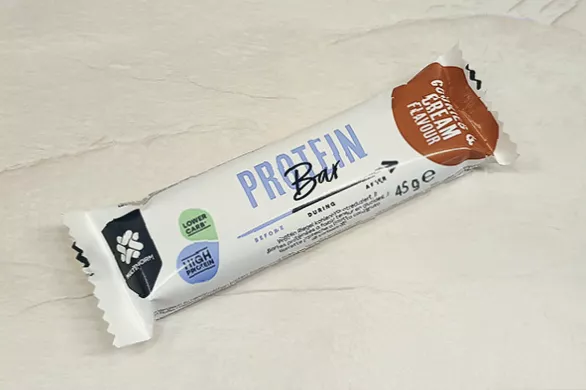
Beyond sweeteners, the ingredient lists of many protein bars read like a chemistry textbook. Soy protein isolate is a highly processed form of soy that may be a lower-quality protein source. Fractionated palm kernel oil is an unhealthy, highly processed fat. High fructose corn syrup is linked to adverse metabolic effects. And a parade of emulsifiers and gums – xanthan gum, guar gum, carrageenan – can irritate the gut lining and disrupt the microbiome.
The original analysis of popular bars shows the range. The Gatorade Chocolate Chip bar, for instance, packs 20 g of protein but also 350 calories and 29 g of sugar – more like a sports recovery bar than a weight-loss snack. The LUNA Chocolate Chip Cookie Dough bar has only 12 g of protein and 14 g of sugar, making it closer to a cereal bar. At the other end, bars such as Quest Chocolate Chip Cookie Dough, Grenade Carb Killa, Barebells, Pure Protein and think! Creamy Peanut Butter offer around 20 g of protein, low sugar and calories nearer the 200 mark – but almost all rely on maltitol, sucralose or other artificial sweeteners, and their ingredient lists remain long and processed.
Industry data suggests that UK consumers are increasingly aware of these issues. Nearly half of adults (49%) still consider protein bars healthy, yet a 2019 survey found 24% perceive them as healthier than confectionery – a perception that may be misleading. The market is trending towards “clean label” products with minimal, recognisable ingredients, and the government’s HFSS (high fat, sugar, salt) regulations are pushing manufacturers to reformulate.
What to look for – the checklist for a smarter choice
To cut through the confusion, experts recommend a simple set of checks before buying a protein bar. Calories should sit between 120 and 200 for a snack; bars above 250–300 need to be treated as a more substantial meal. Protein should be at least 15 g, ideally 20 g, for meaningful satiety and muscle support. Sugar should be low – under 5 g per bar is a good benchmark, and anything above 22.5 g per 100 g is considered high by SACN standards. Fibre of at least 5 g aids fullness, though some added fibres can also cause bloating.
The ingredient list is the ultimate test. A shorter list with recognisable whole foods – nuts, seeds, oats, dates, whey or pea protein – is preferable. Bars built around sugar alcohols, artificial sweeteners, emulsifiers and isolating processes are best reserved for occasional convenience, not daily consumption.
Whole-food alternatives remain the gold standard. Eggs, Greek yoghurt, cottage cheese, chicken, fish, tofu, beans and lentils provide protein without the processing. Convenient snacks such as hard-boiled eggs, roasted seeds, beef jerky or canned tuna offer similar portability without the long ingredient list.
Protein bars can be a useful tool – but only when chosen wisely, used to replace a less healthy snack, and treated as an occasional convenience rather than an everyday health food. The next time you reach for one, read the label as carefully as you would any other packaged snack. Many protein bars are simply high-calorie, ultra-processed snacks. The best ones, however, can earn their place in your bag.