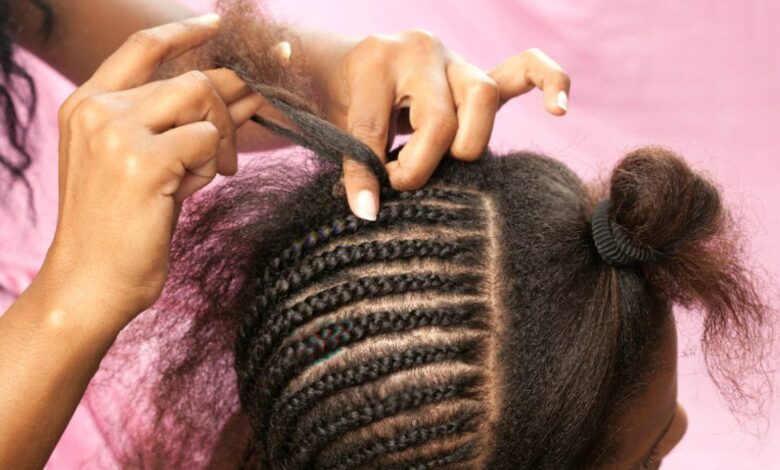
A study has identified hazardous chemicals, including some linked to cancer and hormone disruption, in the vast majority of tested hair extension products, raising particular concerns over the health risks for Black women.
Researchers from the Silent Spring Institute in Massachusetts screened 43 extension products, purchased online and from local shops. The samples included human hair extensions and synthetic versions made from materials such as Kanekalon, Aquatex, Spetra and Mastermix. Of the synthetic samples, 19 claimed to be flame retardant, three were water resistant, nine heat resistant, and three were marketed as having “no PVC” or being “non-toxic”.
The analysis detected 900 chemical signatures. Using machine learning to match these against a chemical library, the team identified 169 distinct chemicals. These included flame retardants, phthalates and pesticides, with all but two samples containing hazardous substances.
Specifically, chemicals linked to breast cancer were found in 36 of the samples. The study, published in the American Chemical Society journal Environment & Health, also revealed that almost one in ten samples contained toxic organotins. These chemicals, primarily used as biocides, pesticides, and PVC plastic stabilisers, are heavily regulated in the UK and European Union.
Calls for transparency and regulation
Dr Elissia Franklin, the lead research scientist, stated that companies “rarely disclose the chemicals used” to achieve properties like flame resistance, “leaving consumers in the dark about the health risks from prolonged wear”. She noted her team was “especially surprised” by the organotins discovery, adding that they “have been linked with skin irritation, which is a common complaint among hair extension users”.
Dr Franklin emphasised that the hair extension industry has “long overlooked the health of Black women, who should not have to choose between cultural expression, convenience, and their health”.
The campaign group Level Up stated that the research “reinforces what black women have been saying for years”. A spokesperson said: “From hair relaxers to braiding hair, we are being overexposed to cancer causing endocrine disrupting chemicals.” The group cited a growing body of international research linking chemicals in hair products to serious illnesses including cancer, kidney failure, and fibroids.
“This evidence should be more than enough to prompt action from regulators, corporations, and government agencies,” the spokesperson said, adding that Level Up is campaigning to remove toxic chemicals from hair relaxers and calling for stronger cosmetic safety regulations.
Supporting the call for greater oversight, consultant trichologist Jacky van Driel-Nguene highlighted a “lack of ingredient transparency in hair extension products”. Unlike many cosmetics, she said, these products “often provide little or no information about chemical treatments or additives,” making it difficult for professionals to advise clients or for consumers to make informed choices.
as published by The Independent