Keir Starmer ditches election manifesto promise on contentious foie gras under EU pressure

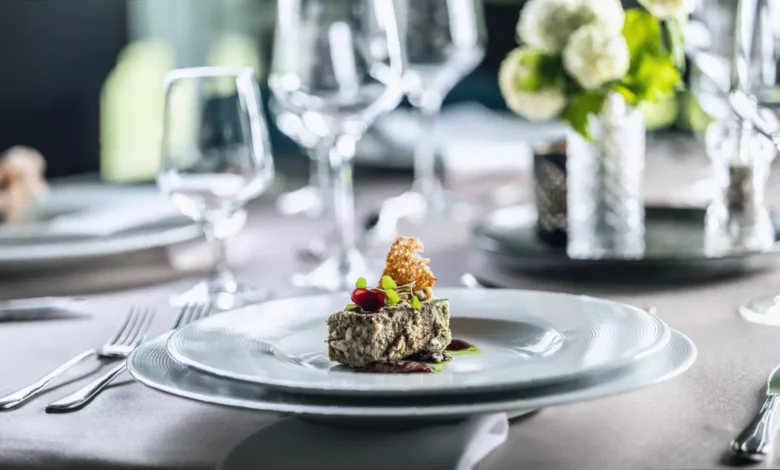
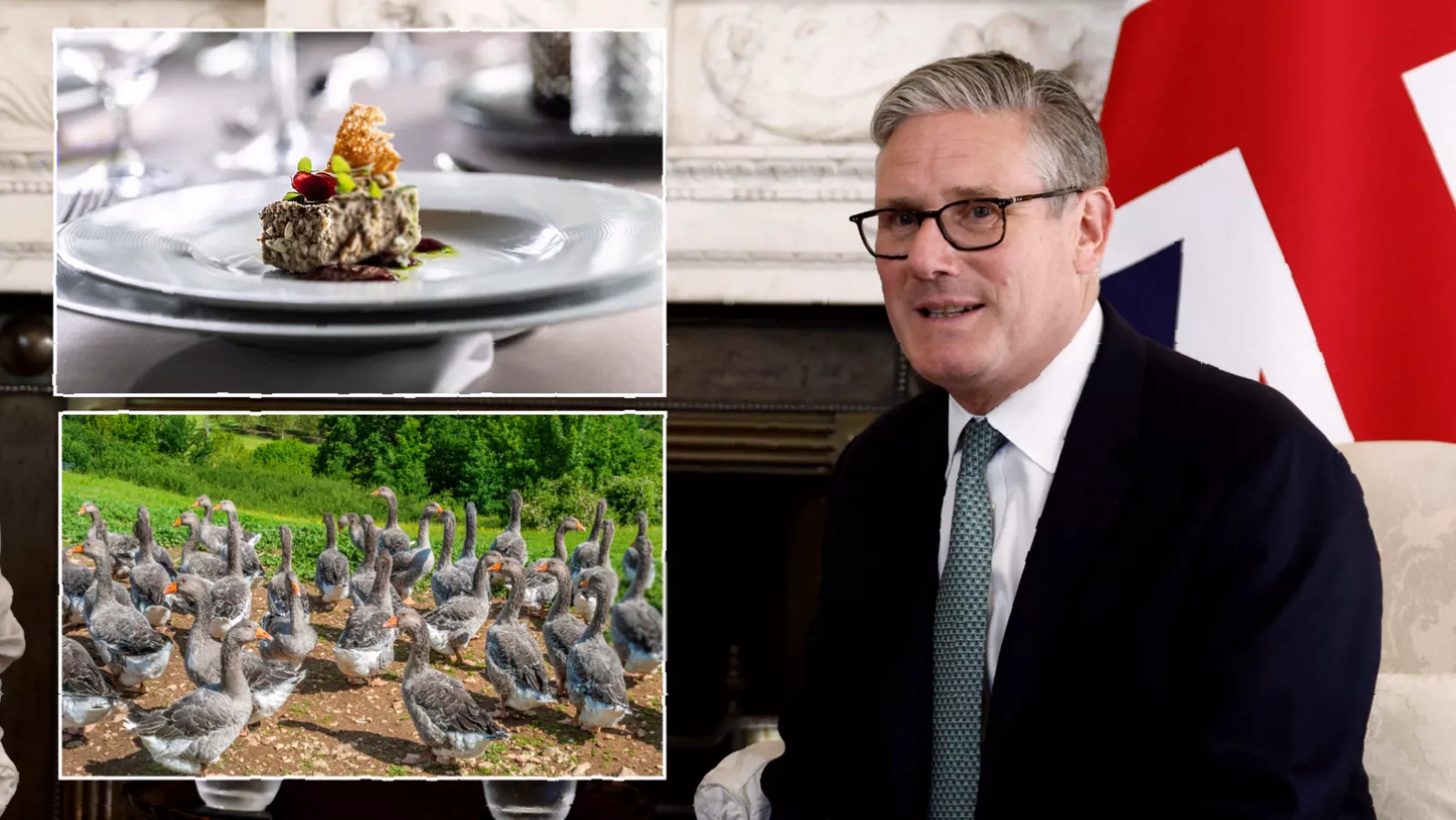
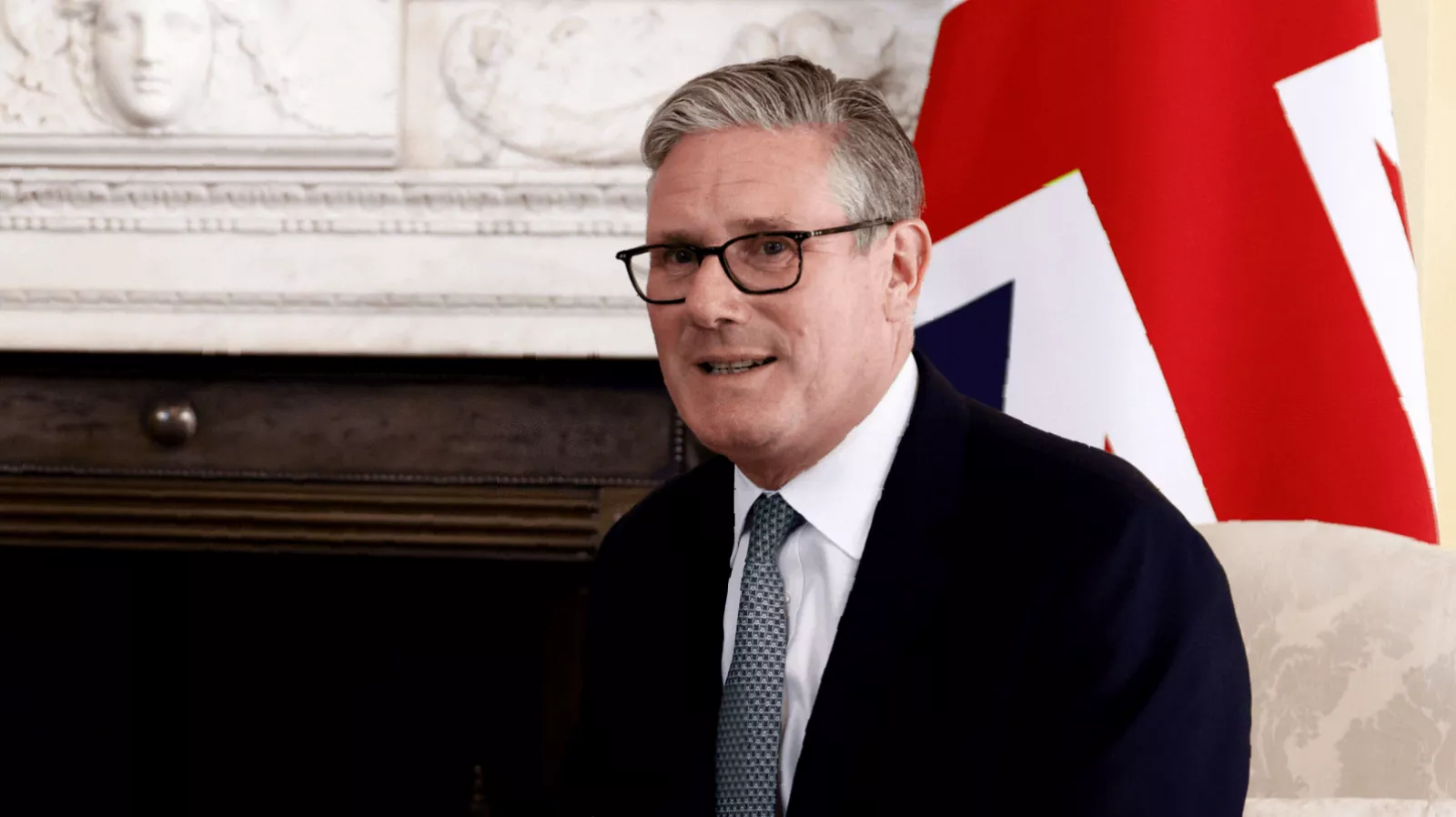
Labour has abandoned its pledge to ban foie gras imports, marking a significant concession in the government’s pursuit of a closer trading relationship with the European Union. The move, confirmed by ministers who acknowledged they could not secure a special exemption from Brussels on food standards, represents the shelving of a commitment that featured in the party’s 2024 election manifesto.
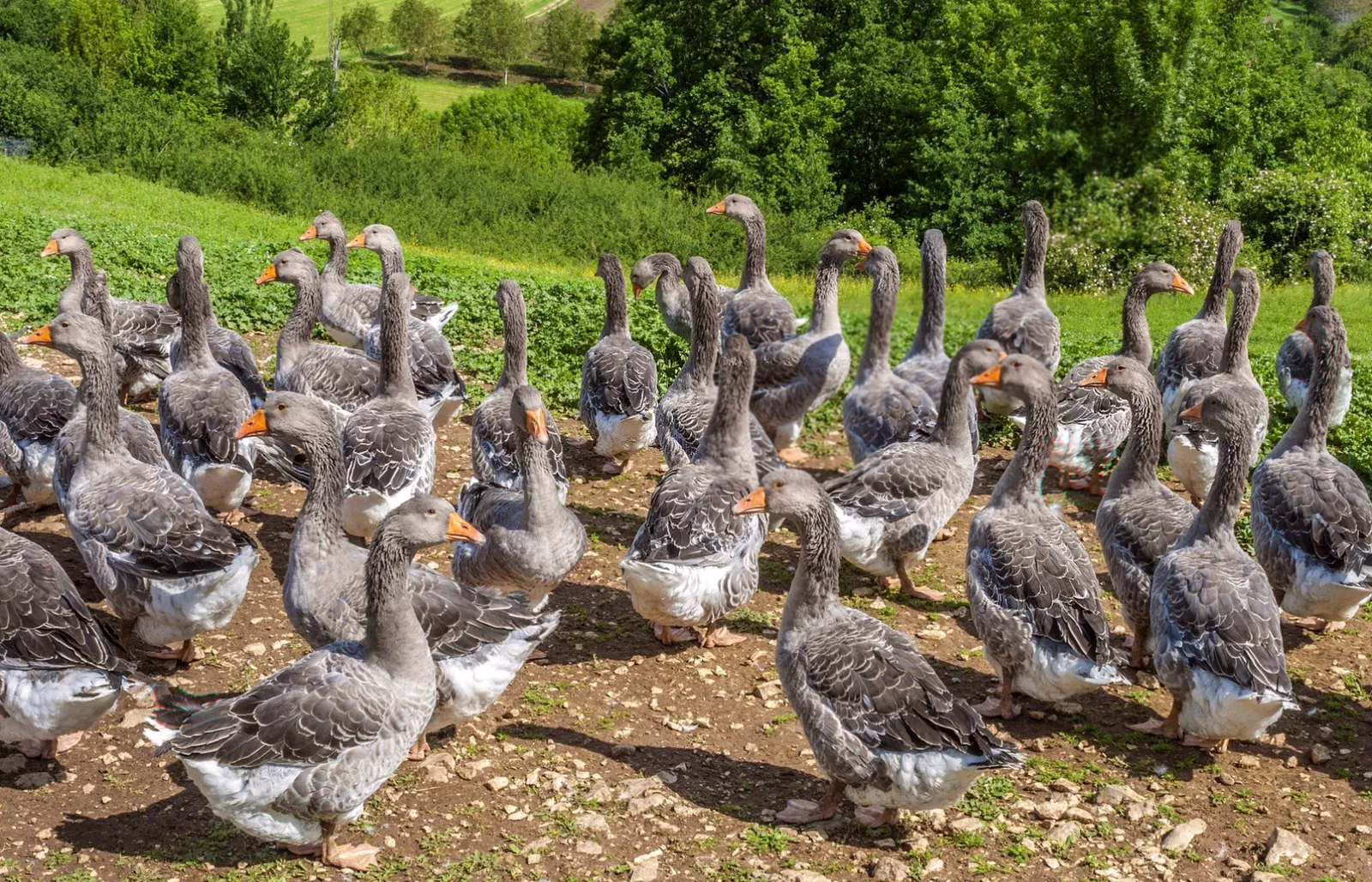
The delicacy, produced almost exclusively in France by force-feeding ducks and geese to fatten their livers, was a specific target of Labour’s pre-election promises. Shadow Environment Secretary Steve Reed had previously stated that a Labour government would ban products made by this method from entering the UK. Animal welfare organisations have expressed disappointment at the reported U-turn, with some noting that the proposed ban has already been omitted from the government’s animal welfare plan published in December.
Why the EU blocked a carve-out on foie gras
Brussels made clear from the outset that Britain could not pick and choose which products to accept as part of any future trade deal, insisting that the UK must abandon its opposition to foie gras imports. The European Union’s internal regulations prevent member states from blocking each other’s food products on the grounds of animal welfare objections, a principle that left British negotiators with no leverage to secure a special exemption.
At the heart of the impasse is the EU’s insistence on maintaining the integrity of its single market rules. Under the bloc’s legal framework, member states are prohibited from imposing import bans on food products from other member states based on animal welfare production standards. This principle, rooted in the Treaty Establishing the European Community (TEC), meant that the UK could not demand a carve-out without fundamentally challenging the EU’s regulatory architecture. WTO rules also do not permit import bans based solely on welfare standards in third countries, further constraining the UK’s negotiating position.
The EU presented the foie gras ban as a “red line” in the negotiations, according to sources close to the UK-EU discussions. With the UK prioritising other issues — such as precision breeding of crops, seen as more economically beneficial — the government concluded that dropping the import ban was a necessary trade-off. The Spectator noted that while Labour’s pledge to ban foie gras was made on what it described as “perfectly reasonable grounds” of animal cruelty, the repercussions for UK-EU relations were always a significant concern, suggesting the ban could have widened the gulf between Britain and the bloc. Animal Equality UK has since launched a campaign to hold the government to its promise, highlighting that the commitment is now at risk.
The failure to win an exemption means foie gras will continue to be imported into Britain. The existing ban on producing the delicacy on UK soil, in place since 2007, remains unaffected. The UK imports approximately 200 tonnes of foie gras annually, a relatively small market consumed by fewer than 10 per cent of Britons.
Other compromises in the EU reset negotiations
The foie gras concession is one of several compromises the government has accepted in its broader “reset” negotiations with Brussels, which aim to reduce barriers to cross-Channel food and drink commerce through alignment with European standards. A key component of this reset is a new Sanitary and Phytosanitary (SPS) agreement, designed to simplify trade in food and agricultural products by reducing checks and paperwork.
Beyond foie gras, the deal would restrict British farmers from using various pesticides that are prohibited by the EU. It would also compromise the future development of gene-edited crops in the UK, an area where the government had previously seen potential for innovation and economic growth. The UK would be required to accept a degree of dynamic alignment with future EU food standards, and the European Court of Justice would have a role in overseeing the agreement.
Despite these trade-offs, ministers project substantial economic benefits. The government estimates that reducing red tape on food and beverage trade could boost the British economy by as much as £5.1 billion annually. Officials also anticipate that the reset deal will help reduce supermarket prices for consumers, though concerns have been raised from industry bodies. The Food & Drink Federation has questioned the government’s claim that the SPS deal will drive down food prices, noting that the scale of adjustment required is even greater than when the UK left the EU. The British Retail Consortium has warned of a “wake-up call” for the industry regarding the upheaval required. Businesses may need to modify processing methods, certification practices, labelling and IT systems to meet the updated regulatory framework. The SPS agreement is expected to take effect in mid-2027.
The UK has, however, secured some concessions of its own. The EU has accepted that Britain can retain its ban on live animal exports, imposed by the previous government in 2024. Under a framework agreement signed in May 2025, the UK can also be exempted from EU regulations where its rules are stricter than the bloc’s. Raw burgers and sausages will again be permitted for sale to the EU for the first time since Brexit, and most routine checks on goods such as dairy, fish, eggs and red meat will be removed, along with export health certificates.
The Prime Minister had initially targeted a summit in Brussels on July 22 to finalise the agreement, having arranged the date during a G7 meeting where he spoke with European Commission President Ursula von der Leyen in Évian-Les-Bains. However, the EU postponed the gathering following Sir Keir’s resignation announcement, with sources indicating it will now take place in late October or early November. The delay means Andy Burnham, widely anticipated to succeed Sir Keir, will likely inherit responsibility for completing the negotiations. EU officials and diplomats have expressed confidence that they can extract additional concessions from Mr Burnham, viewing him as more open to their demands. Despite promising a “smooth and orderly transition” to his successor, Sir Keir is leaving the next Labour cabinet with significant unresolved issues, including a commitment to add an extra £1 billion to the defence budget over the next four years, a move Mr Burnham’s team had urged the outgoing prime minister to leave for his successor.