The Covid-19 Inquiry has issued a stark warning that the government must urgently rebuild public trust in vaccines and combat online misinformation to prepare for future pandemics, identifying a corrosive link between distrust in institutions and susceptibility to falsehoods.
In its fourth report, published on Thursday, the inquiry found that a lack of trust in government and health systems “underlaid susceptibility to false information” about Covid jabs. Chair Baroness Heather Hallett stated that action is needed across all four UK nations to build trust within communities that had lower vaccine uptake and to improve accessibility “before the next pandemic hits.”
The inquiry highlighted that lower uptake in poorer communities and among some ethnic minority groups was predictable and should have been better planned for. It noted that broader experiences of racism, discrimination, and historical events like the Windrush scandal and the Grenfell Tower tragedy had fostered a perception among some Black communities that governments do not act in their best interests, leading to reluctance to engage with official health advice.
An extraordinary feat of science and logistics
This urgent warning on trust stands in contrast to the inquiry’s overall verdict on the vaccine programme itself, which it hailed as an “extraordinary feat” and a “success story.” The report concluded the rapid development of the jabs did not compromise the UK’s rigorous safety standards, noting the work was underpinned by decades of global research.
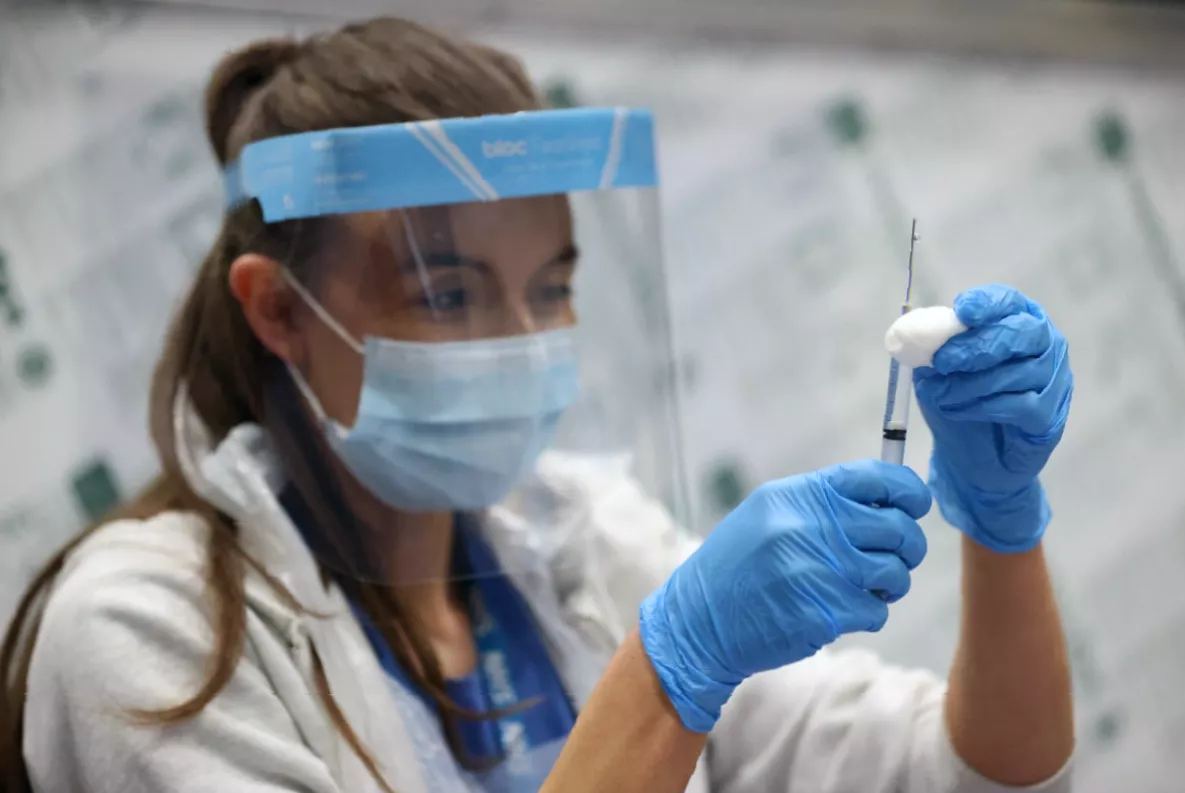
The deployment was an unprecedented logistical operation. The government’s Vaccine Task Force pre-ordered promising candidates, and following approvals in late 2020, the NHS established thousands of vaccination sites in locations from football stadiums to cathedrals, with clinics operating around the clock. More than 184 million Covid vaccinations have been administered in England alone, with the programme estimated to have saved 475,000 lives in England and Scotland by March 2023.
Central to this success was groundbreaking mRNA technology, used by the Pfizer/BioNTech and Moderna vaccines. As explained by the UK Health Security Agency, these vaccines work by delivering instructions to our cells to produce a harmless piece of the virus’s protein, training the immune system to recognise and fight the real virus. This technology allows for faster development and tailoring against new variants and is now being trialled for other diseases, including personalised cancer treatments.
Rare harms and a “political” mandate
Despite the programme’s success, the inquiry gave significant attention to those harmed and to policy criticisms. It acknowledged the suffering of individuals who experienced rare side effects, some of whom felt “silenced, ignored or treated as vaccine deniers.”

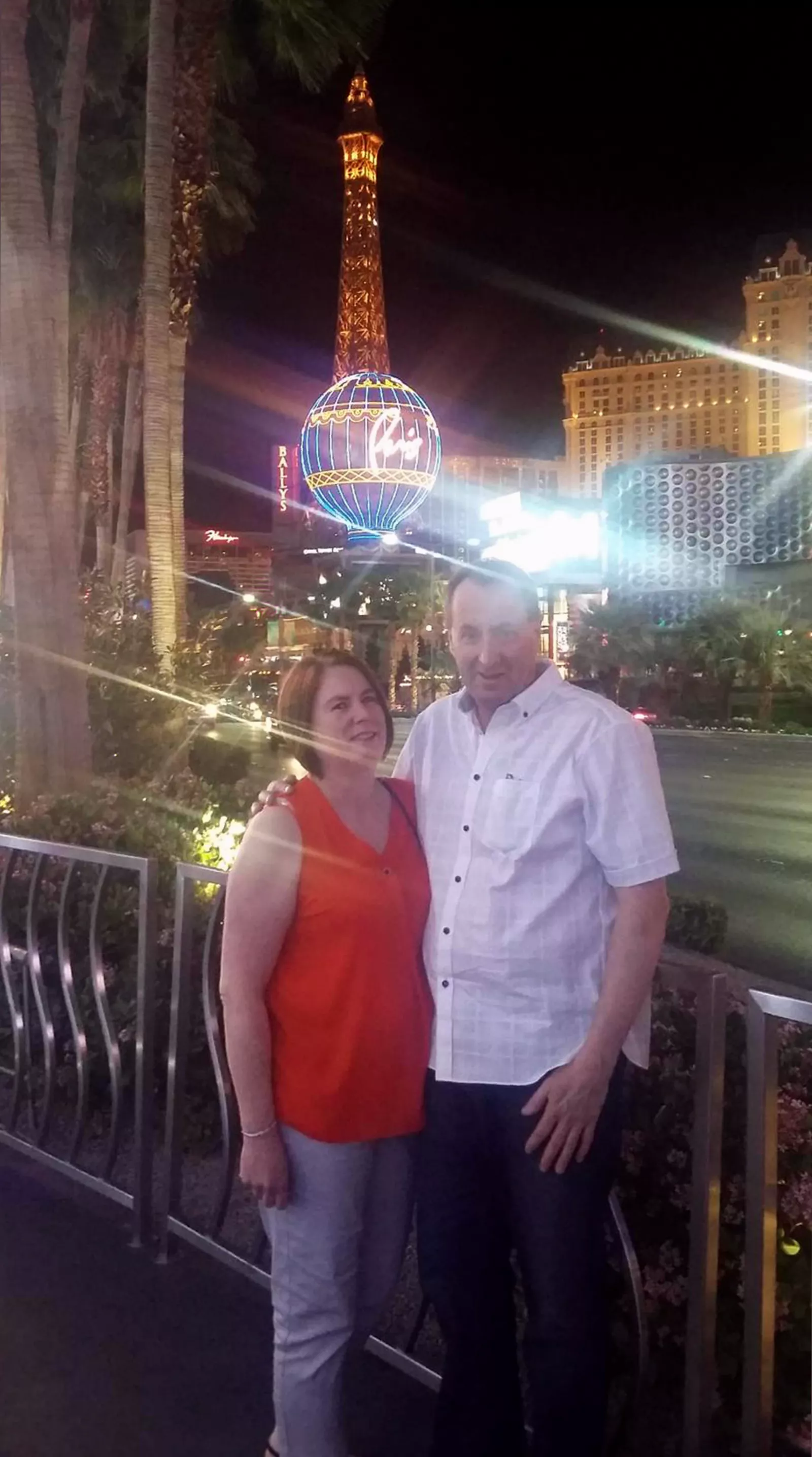
Approximately 22,000 people in the UK have raised claims for harms linked to Covid vaccines, most relating to the AstraZeneca vaccine. The inquiry heard poignant testimonies, including that of Kate Scott, whose husband Jamie was left permanently disabled with brain damage from a blood clot after receiving the AstraZeneca jab. Another case involved Sheila Ward, whose husband Stephen died 11 days after his AstraZeneca vaccination from a severe bleed, a cause later confirmed by a coroner.
Official data from the Office for National Statistics shows that by December 2022, there were 59 deaths registered involving Covid-19 vaccine adverse effects. However, its analysis also indicated that the mortality risk for people who tested positive for Covid was greater than that associated with vaccination.
The inquiry was particularly critical of the policy of mandatory vaccination for care workers, concluding it was a “political” decision “not led by clinical advice.” The government had also planned to mandate jabs for NHS staff, predicting it could lose 73,000 health service and 35,000 care workers. Following backlash and the rise of the less severe Omicron variant, the NHS mandate was dropped in January 2022, though the rule for care workers in England had already come into force.
A call for reform and broader fragility
Aligning with its focus on rebuilding trust, the inquiry called for urgent reform of the Vaccine Damage Payment Scheme (VDPS), which it found is not sufficiently supportive. It recommended the maximum payout should be almost doubled to at least £200,000 from the current £120,000 to account for inflation. It also advised scrapping the rule that requires applicants to be assessed as 60% disabled to receive payment, suggesting this threshold leaves those with significant injuries with no support.
This warning on preparedness follows the inquiry’s third report last month, which found the UK’s healthcare systems were fragile, overstretched, and “came close to collapse” during the pandemic. This context is echoed in a recent YouGov poll revealing 69% of NHS workers believe the health service is poorly prepared for another pandemic, with none saying it is “very well prepared.” Campaigners have similarly warned the UK is now “less equipped as a nation to make vaccines today than we were at the start of the pandemic.”