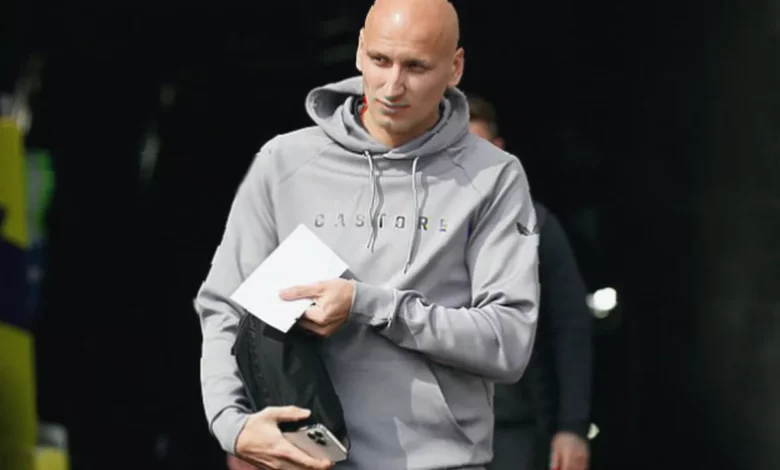
Jonjo Shelvey’s introduction to football management is among the more unconventional: taking charge of a second-tier side in Dubai against a backdrop of Iranian drone attacks in the region.
The 34-year-old former England international has officially retired from playing to become head coach of UAE Second Division side Arabian Falcons FC, a role that will be documented for an upcoming film. Shelvey had been playing for the Dubai club since September 2025 after leaving Burnley, and has now made a decisive transition into the dugout.
A New Project and Ambitious Club
His new club, Arabian Falcons FC, represents a distinct project with significant ambitions. Founded only in 2023 with an initial aim to develop young African footballers, the club won the UAE Third Division undefeated last season to earn promotion. Co-owned by former Crystal Palace midfielder Jason Puncheon, who is Head of Football Operations, the club has set its sights on further promotion and a long-term target of reaching the 2029 FIFA Club World Cup. Shelvey’s predecessor, former Macclesfield midfielder Harry Agombar, has moved into the role of sporting director.
‘Not Felt Unsafe Once’
Despite the volatile security situation in the region, with reports of thousands of Iranian missile and drone attacks, Shelvey insists daily life in the Emirates continues and he feels secure. “I’ve not felt unsafe once,” he told Daily Mail Sport, noting that people are still frequenting beaches, malls, and restaurants. He described an incident where, after a bomb alert, residents were told “Everything’s fine” and he proceeded to visit a mall.

“I know a lot of people have gone home but I’m just like ‘Why?’ Trust them. The UAE has made us feel so safe,” he stated, adding that the only disruption had been his children being off school. He even suggested he felt more at risk in the UK, citing an incident where his sister-in-law had her phone robbed by cyclists in London. “There’s too many scumbags around,” he said.
Shelvey, who moved to the UAE with his wife, opera director and writer Daisy Evans, and their three children, has been vocal in his criticism of the UK. He has claimed he does not want his children growing up there, stating he finds Dubai “far safer” than London or Essex, and that “the United Kingdom is no longer what it was 10–15 years ago.” This perception exists despite official data showing a long-term decline in violent crime, burglary, and car crime in the UK over the past three decades.
The Shelvey Blueprint: Howe, Laudrup, and Benítez
As he builds his managerial philosophy, Shelvey is drawing heavily from a career spent under a diverse range of coaches. Foremost among his influences is Eddie Howe, under whom he played at Newcastle. Shelvey describes Howe as “the best, most detailed manager I’ve ever come across” and a “massive, massive tool” for his own development. He has spoken to Howe about shadowing his training sessions and praised his professionalism and detail.
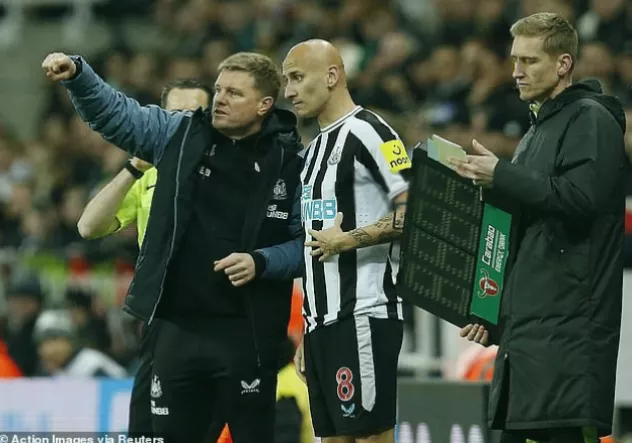
“I’ll always use Eddie Howe as a massive, massive tool,” Shelvey said, revealing a long-held habit of noting down effective training drills throughout his playing career, which he has compiled into a large folder for his own use. This support extends to Howe’s current position at Newcastle amid speculation over his future. “I’m never gonna say a bad word about him. For me, he stays,” Shelvey stated, arguing Howe has “more than enough credit in the bank” and deserves another season.
He also cites the attacking flair of Michael Laudrup, under whom he played at Swansea City, and the motivational techniques of Scott Parker from the latter stages of his career. But perhaps the most revealing insight comes from his reflection on man-management, specifically how managers handled him after disciplinary issues. He recalled some giving him “a real telling off” after red cards, while Rafa Benítez took a different approach. “Rafa was like, ‘Don’t worry about it, it’s fine. We’ll just serve your suspension, train hard, and we’ll get you back into the team.’”
Asked which method worked better for him, Shelvey was blunt: “No one likes being told off, do they? So I’ll go with the Rafa way.” He acknowledges that finding the right balance in communicating with players is a key learning curve.
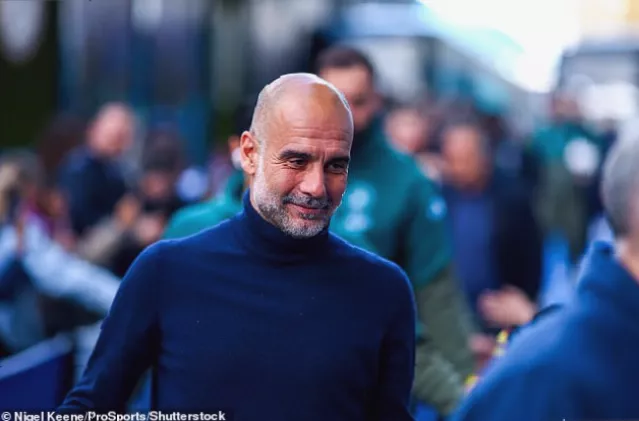
His intended playing style, dubbed “the Jonjo Shelvey way,” aims to blend these influences. He wants a team that presses high, is supremely fit, and plays a passing game—but not to the extreme of a Pep Guardiola side. “I like to get the ball in behind as well… I also like the rougher style in terms of the defensive side of the game,” he explained.
The decision to retire was driven by a growing passion for coaching and physical wear. “I took training about four to five weeks ago… and as soon as I got home… I just had this feeling that that’s what I wanted to do,” he said, adding that knee issues required painkillers to get through sessions. He looks back fondly on an England career that yielded six caps, successful spells at Newcastle and in Turkey with Çaykur Rizespor, and a League Cup win with Liverpool in 2012.
Shelvey’s move is part of a wider trend of British sports stars and high-net-worth individuals, such as Rio Ferdinand and Ronnie O’Sullivan, relocating to the UAE, attracted by lifestyle and growing professional opportunities, despite travel advisories from some nations regarding regional security.