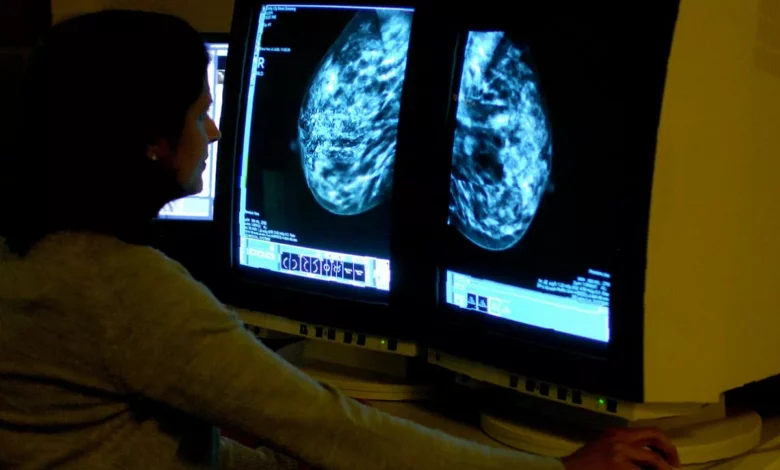
A new genomic test could spare millions of breast cancer patients from undergoing chemotherapy, according to the results of a major international clinical trial. The OPTIMA study, led by University College London (UCL), found that a simple analysis of tumour tissue can reliably identify which patients with hormone‑sensitive breast cancer will derive no meaningful benefit from chemotherapy — and can therefore safely avoid its often debilitating side effects.
Potential impact of the test
Breast cancer is the most common cancer in women in the UK, accounting for around 30 per cent of all new female cancer diagnoses. Each year roughly 59,000 new cases are diagnosed, and the disease is the fourth most common cause of cancer‑related death in the country. Standard treatment usually involves surgery to remove the tumour, followed by chemotherapy to reduce the risk of recurrence. But chemotherapy carries a heavy burden: hair loss, nausea, insomnia, fatigue, infertility, cognitive impairment (often called “chemo brain”), peripheral neuropathy, menopausal symptoms, bone thinning, increased risk of infection, blood clots, heart complications, and even secondary cancers.
The OPTIMA trial suggests more than two‑thirds (68 per cent) of patients with high‑risk, hormone‑sensitive breast cancer — who would normally be recommended chemotherapy — could safely skip it. For these patients, the benefits of chemotherapy are minimal, yet they are exposed to its full toxicity. The genomic test used in the trial, called Prosigna, costs around £1,400 for private patients and is already available on the NHS for eligible individuals. Its manufacturer, Veracyte Inc., is supporting international expansion, meaning its use could become widespread.
How the genomic test works
The Prosigna test is an in vitro diagnostic assay that measures the activity of 50 specific genes within a sample of breast tumour tissue. It is performed on the nCounter® Analysis System using formalin‑fixed, paraffin‑embedded (FFPE) tissue — the same kind of sample routinely taken during surgery or diagnostic needle biopsies. The test combines the gene‑expression data with clinical variables to generate a score from 0 to 100, which predicts a patient’s risk of distant recurrence over the next decade.
Prosigna is distinguished as the only breast cancer prognostic test developed from the four PAM50 molecular subtypes, giving it higher accuracy in predicting recurrence risk than other genomic tests such as Oncotype DX. For postmenopausal women with hormone receptor‑positive (HR+), lymph node‑negative, stage I or II breast cancer, the test serves as a prognostic indicator for 10‑year distant recurrence‑free survival when used alongside other clinicopathological factors. For patients with node‑positive cancer, the risk is categorised as low (score 0‑40) or high (41‑100). Crucially, the OPTIMA trial used a threshold of 60 to separate patients into low‑ and high‑risk groups: those scoring above 60 received chemotherapy plus hormone therapy, while those scoring 60 or below were treated with hormone therapy alone.
The trial in detail
The OPTIMA trial involved more than 4,400 men and women aged 40 and older who had undergone surgery for hormone‑sensitive breast cancer and were deemed at high risk of future recurrence — meaning they would ordinarily have been prescribed chemotherapy. Unlike some earlier studies that focused mainly on postmenopausal women with limited lymph node involvement, most participants in OPTIMA had cancer that had spread to their lymph nodes, placing them at particularly high risk. The trial also included premenopausal women, a group often underrepresented in such research.
Participants were recruited from multiple countries: the UK, Norway, Sweden, Australia, New Zealand, and Thailand. The research was funded by the UK National Institute for Health Research Health Technology Assessment (NIHR HTA) Programme, with co‑chief investigators Professor Iain MacPherson of the University of Glasgow and Professor Rob Stein of UCL leading the work.
Results showed that for patients with a low Prosigna score who did not receive chemotherapy, outcomes were strikingly similar to those who did. Five years after treatment, 94.8 per cent of those given chemotherapy plus hormone therapy were alive and free from breast cancer recurrence, compared with 93.6 per cent of those treated with hormone therapy alone. Statistical analysis indicated that chemotherapy offered little to no additional benefit for about 2 per cent of patients with low scores — a difference so small that it does not justify the side effects.
Karen Bonham, 64, from Cardiff, took part in the trial after her diagnosis in June 2017. She was days away from starting chemotherapy and had already cut her hair short when she learned she was in the group that did not need it. “How to describe the initial feeling? Immense relief? Like Christmas? Certainly a mixture of the two,” she said. Instead of chemotherapy, she received radiotherapy and hormone therapy. Almost nine years later, she says she does not feel defined by cancer and has returned to normal family life, adding that the trial “helped decision making to allow me to receive targeted, appropriate treatment more quickly and has enabled my positive health outcome.”
Professor MacPherson said: “Optima provides robust, practice‑changing evidence that we can safely reduce the use of chemotherapy for many patients with hormone‑sensitive breast cancer. These findings represent a major step forward in delivering more personalised, precise care, ensuring that treatment decisions are driven by what will genuinely improve outcomes for patients, while avoiding unnecessary toxicity. The potential impact for both patients and health services is substantial.”
Future research needs
While the trial results are highly encouraging for the majority of patients, researchers caution that more work is needed to confirm whether the same benefits apply to certain groups. The OPTIMA study only included participants aged 40 and over, and further research is required to understand how the Prosigna test performs in men and individuals under 40. To address this, a dedicated follow‑up study — the OPTIMA‑Young trial — has been designed to gather more comprehensive data specifically for premenopausal women. The investigators note that the hormone therapy used in premenopausal participants in the original trial, which temporarily suppresses ovarian function, may explain why chemotherapy did not appear to offer additional benefits, but this needs to be confirmed with larger numbers. The path towards truly personalised breast cancer treatment is now clear, but the final steps will depend on these ongoing efforts to ensure no patient is left behind.