
The number of confirmed and suspected meningitis cases linked to an outbreak in Kent has fallen to 29, down from 34 over the weekend, after further laboratory testing led to several infections being downgraded.
The UK Health Security Agency (UKHSA) confirmed the revised total, which comprises 20 confirmed cases and nine suspected cases under investigation. Dr Sherine Thomas, an infectious diseases consultant at the agency, said it was possible further probable cases could be reclassified in the coming days as assessments continue, but stressed that officials “continue to remain vigilant for new cases”.
The outbreak, described by Health Secretary Wes Streeting as “unprecedented”, is believed to have originated around 12 March and is primarily linked to the MenB strain of meningococcal disease. Health officials have traced many cases to students from the University of Kent and local schools, with a nightclub in Canterbury, Club Chemistry, identified as a likely epicentre. There is also evidence of international spread, with one case linked to the outbreak reported in France.
Tragically, two young people have died. They are 18-year-old Juliette Kenny, a sixth-form student from Faversham, and a 21-year-old student at the University of Kent. Juliette’s father, Michael Kenny, described his daughter as having a “beautifully positive energy” and has called for wider access to the MenB vaccine to better protect young people.
Public health response: antibiotics, vaccines and contact tracing
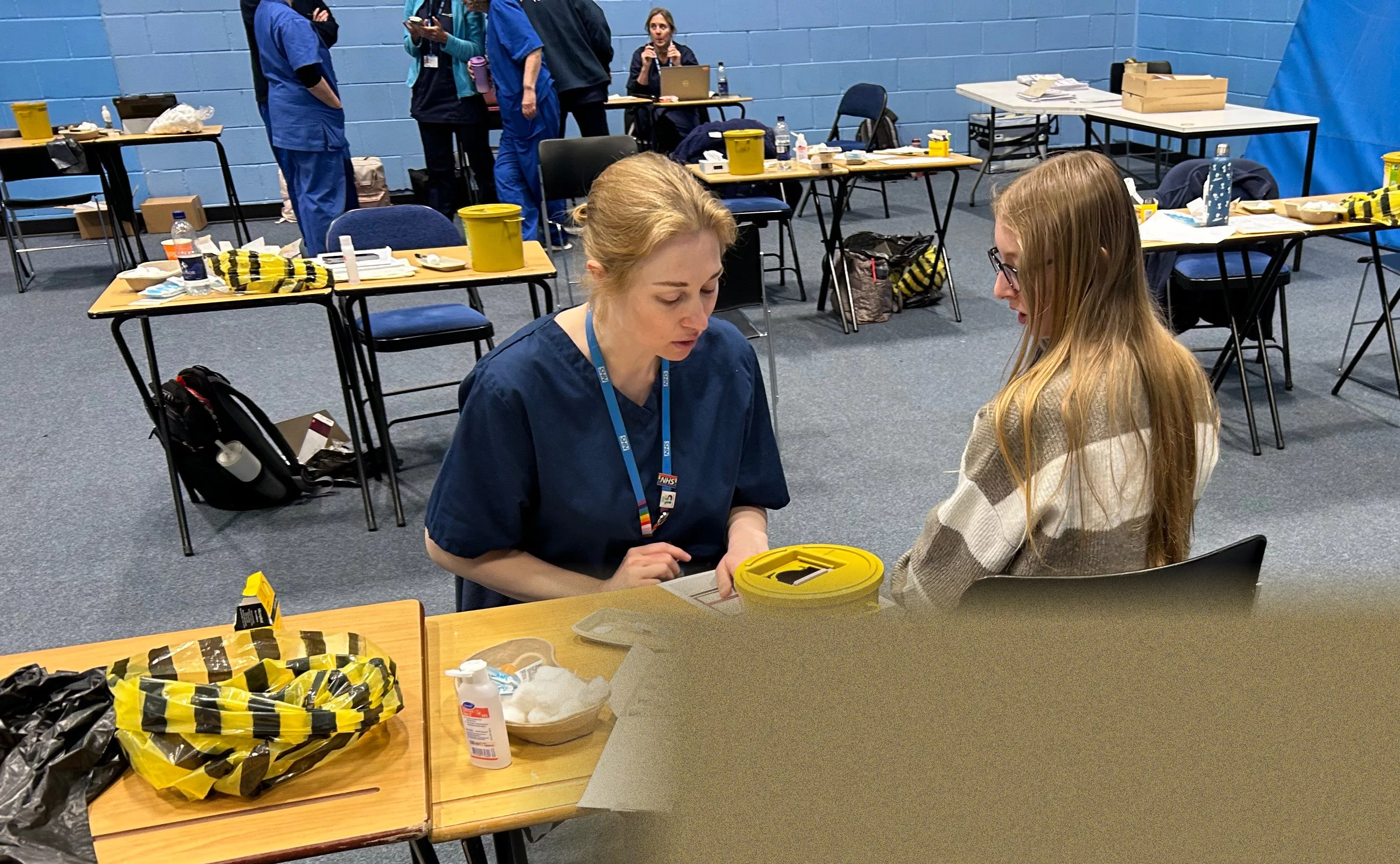
In response, a large-scale public health operation involving the UKHSA, NHS England, and local authorities has been underway. The focus has been on rapid contact tracing and offering preventative treatment to those at highest risk.
Dr Thomas said it was “reassuring” to see so many eligible young people come forward. NHS Kent and Medway reported that, as of Saturday, 9,078 doses of the MenB vaccine had been administered and 12,595 courses of preventative antibiotics had been handed out. The initial vaccination drive focused on University of Kent students and others who had been offered antibiotics, which include students on the Canterbury campus, staff in affected halls of residence, and individuals who attended Club Chemistry between 5 and 7 March.
The demand has extended beyond the NHS programme, causing supply constraints in the private market. In response, the UKHSA has announced it will release 20,000 doses from NHS supply to private providers to ease shortages.
While the risk to the wider population remains low, health officials have warned that the nature of the disease means further isolated cases could emerge. Dr Anjan Ghosh, Kent County Council’s director of public health, warned on Friday that “sporadic household clusters” could appear elsewhere in the UK over the next four weeks as students incubating the bacteria travel home, though he expects any such clusters to be “containable”.
The critical importance of speed
Throughout the response, experts have underlined that the speed of diagnosis and treatment for meningitis is critical. The disease can cause rapid and severe deterioration.
“It’s one of the few diseases where we don’t encourage doctors to delay antibiotics while they take samples,” said Paul Hunter, a professor in medicine at the University of East Anglia. “As soon as you suspect it, you whack in the penicillin, because it is hours, not days, that people can deteriorate.”
Professor Hunter noted that while an outbreak of this size is unusual, the public health response is in line with established guidelines. He and other experts explain that meningitis B requires “protracted close contact” for transmission, such as sharing utensils or kissing, making it significantly less contagious than viruses like Covid-19.
The MenB vaccine has been offered on the NHS to babies since 2015, but is not routinely given to teenagers and young adults, leaving many in the affected age group unprotected. Dr Michael Head of the University of Southampton noted that while vaccination has reduced the disease’s prevalence, around 300 MenB cases still occur annually in the UK.
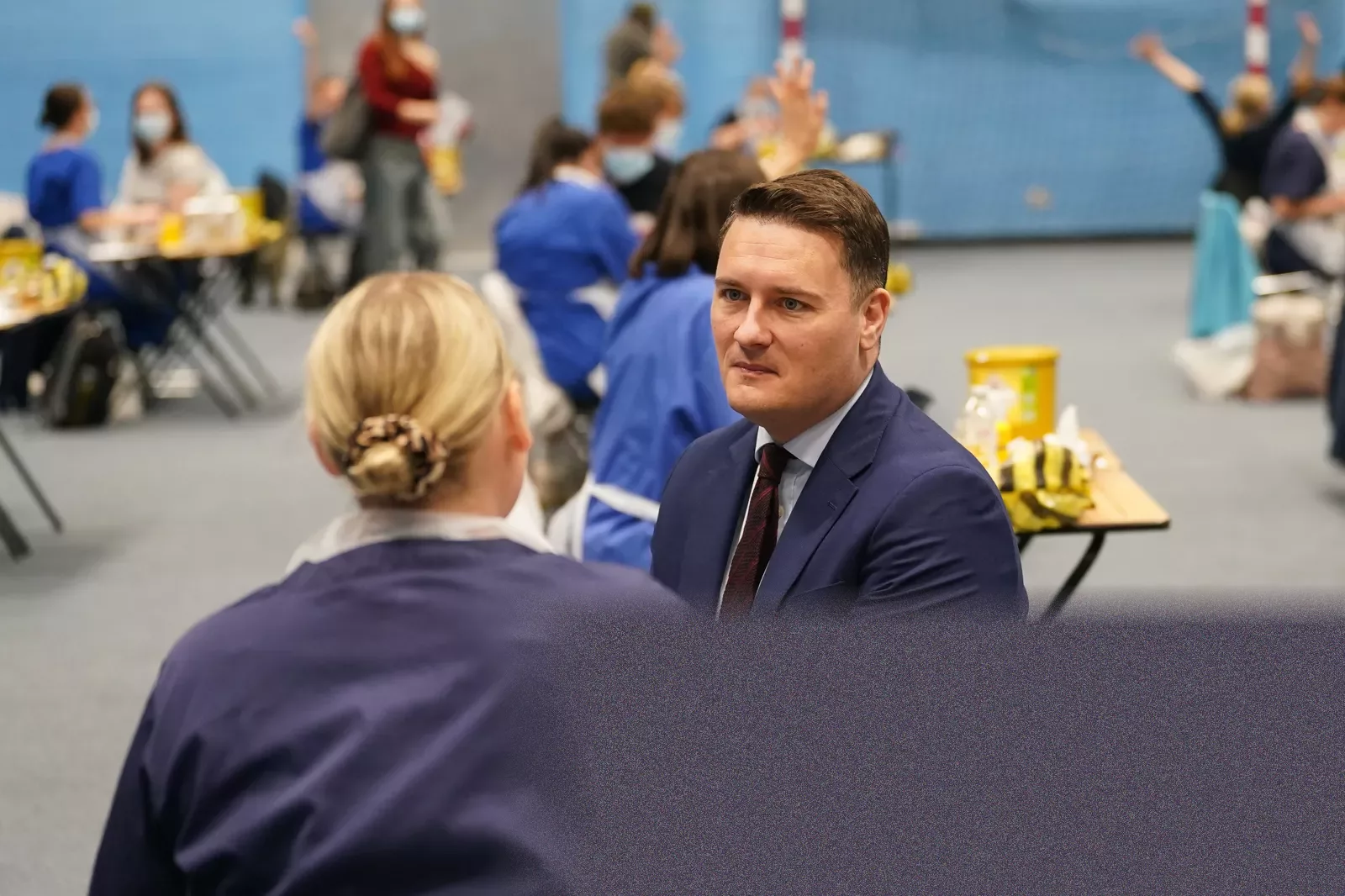
Health Secretary Wes Streeting has praised the “Herculean efforts” of frontline staff working on the response. The UKHSA’s chief scientific officer, Professor Robin May, has confirmed that experts are investigating whether the specific MenB bug involved in this outbreak has become more transmissible.
Separately, reality television personality Jordan Brook has revealed he is being treated for viral meningitis and encephalitis, conditions which are not connected to the Kent outbreak.