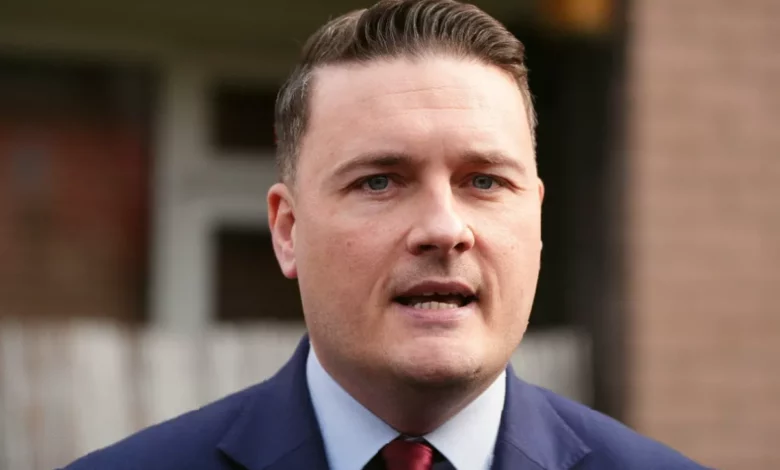
Health Secretary Wes Streeting has launched a blistering attack on the British Medical Association, accusing the doctors’ union of “pretending” his government can solve all the profession’s problems within two years, as a bitter dispute over pay and training places escalates.
‘Unreasonable’ strike action and a direct appeal
Mr Streeting revealed he had written directly to the BMA’s Resident Doctors Committee, expressing his “disappointment and frustration” at a six-day strike launched this week. He described the industrial action, timed after the Easter holidays, as “unnecessary and unreasonable,” and said he was “furious with the BMA.”
In his letter, sent on Sunday, the Health Secretary stated: “The deal is not everything you want, but it is what the country can afford. I do not pretend to have solved all the problems facing your profession after fourteen years of mismanagement under the previous government in less than two years… In return, I am asking you to stop pretending that this government can sort out everything for everyone everywhere all at once.”
He has now requested a meeting with the entire RDC, rather than just its two chairs, Dr Jack Fletcher and his co-chair, who have led negotiations. Mr Streeting described some committee members as “quite hard-lined” and noted they were “the only people who have refused to meet me over the last two years.” He told the BBC: “Given those are the people calling the shots, I think it’s time for me to speak with the organ grinders.”
The core dispute: A three-year deal and ‘reduced investment’
The heart of the current breakdown is a fundamental disagreement over the structure and funding of the proposed pay deal. The government insists it was “clear from the outset” that it expected a multi-year agreement. Mr Streeting’s letter quoted terms shared with the BMA on 17 February, which outlined “A multi-year agreement” covering three financial years and options to revise pay structures “over the course of the next three years.”
However, Dr Jack Fletcher, chair of the BMA’s RDC, claims the government “at the very last minute insisted that a three-year deal was the only option, with reduced investment on what was previously costed.” He stated that the BMA was repeatedly warned this offer fell short and that the proposed heads of terms were “rejected within hours by us.”
The financial details are highly contested. Mr Streeting has claimed the rejected deal would have delivered an average pay rise of 4.9% this year, making pay 35.2% higher than four years prior. He said the lowest-paid foundation year doctors would have seen immediate boosts of at least 6.2% and 7.1%. This follows a 6% + £1,250 consolidated pay increase for 2023/24. The BMA, however, has long sought a 26% rise for what it terms “full pay restoration,” arguing salaries have been severely eroded since 2008.
A critical casualty of the new strikes, according to the Health Secretary, is the immediate creation of new training posts. He stated that the financial and operational impact of this week’s walkout means NHS trusts cannot now afford to implement a promise, part of the rejected deal, to bring forward 1,000 of a planned 4,500 extra training places this year. “Funds diverted into covering shifts and managing disruption cannot at the same time be invested in creating new training posts,” he wrote, stressing this was an operational reality, not a punishment.
Dr Fletcher countered that threats to remove training places were “bad faith,” and argued that stretching reduced investment over years was unacceptable. He also stated that the BMA’s demand for 1,000 more training places would not, in itself, fix the staffing crisis.
Historical grievances and a call to return to talks
The dispute sits within a long history of industrial action by junior doctors, first seen in 1975, with a major clash over contracts occurring between 2015 and 2016. The current wave of strikes began in March 2023 and, with over 48 days of action by April 2026, has cost the NHS billions and caused widespread disruption to patient care.
In his response, Dr Fletcher urged the Health Secretary to “recapture the early positive spirit of negotiations,” noting the union remained “open and willing to meet” and had negotiated in good faith. He reiterated the BMA’s readiness to work constructively to end the dispute.
Mr Streeting, however, expressed bewilderment at the RDC’s rejection of a deal he believed their chairs felt addressed doctors’ concerns. He said it was “disheartening” to see officers “publicly criticise the deal they agreed to and entirely misrepresent the Government’s actions,” calling accusations of moving goalposts “categorically untrue.”