More than 100 maternity staff sue over nitrous oxide exposure at Basildon
More than 100 maternity staff are taking legal action against a hospital trust after being exposed to hazardous levels of nitrous oxide, with some claiming they have suffered chronic fatigue, headaches, heart palpitations and even collapsed at work.
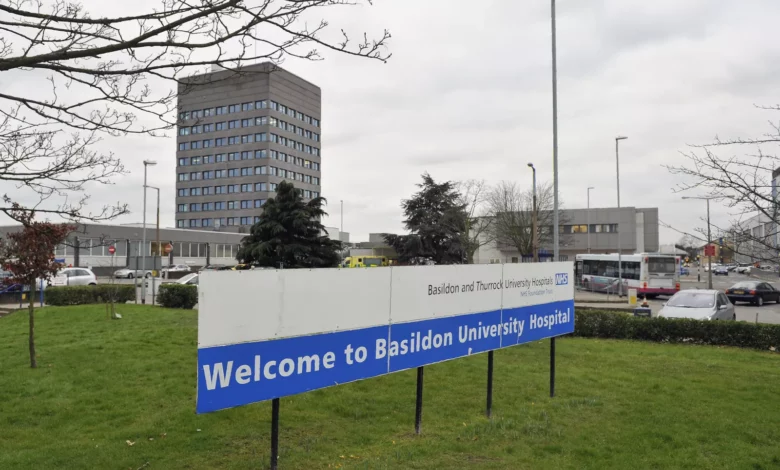
Midwives, healthcare assistants and other staff who worked at Basildon University Hospital between 2018 and 2023 are pursuing damages in what is understood to be a group claim against Mid and South Essex NHS Foundation Trust. NHS Resolution has received a total of 141 claims relating to staff exposure to excessive levels of Entonox — the 50:50 mixture of nitrous oxide and oxygen commonly known as “gas and air”. The trust has confirmed it has already paid out more than £89,000 in settlements, covering damages, claimant costs and NHS legal costs.
Staff allege they developed symptoms including fatigue, anxiety, headaches and “brain fog”. Some claimants have reported chronic tiredness, constant headaches, low vitamin B12 levels leading to heart palpitations, and “foggy heads”. One midwife said she collapsed at work due to headaches, low mood and anxiety. The legal action, which is reportedly due to be heard in July, seeks damages for personal injury in excess of £1,500 per claimant.
Health risks of prolonged nitrous oxide exposure for staff
Nitrous oxide, when mixed with oxygen, is widely used by the NHS for pain relief during labour. The NHS maternity survey for 2022 found that 76% of women used gas and air. For patients, a short-term dose is regarded as very safe. But the Health and Safety Executive (HSE) warns that high levels of workplace exposure can cause serious health effects, including neurological problems and anaemia.
The danger lies in how nitrous oxide affects the body’s ability to absorb vitamin B12. Prolonged exposure can damage the nervous system, disrupt red blood cell production and potentially increase the risk of liver and kidney diseases. Research has also suggested links between long-term exposure and spontaneous abortions, congenital abnormalities, and reduced fertility.
The HSE sets a workplace exposure limit (WEL) for nitrous oxide of 100 parts per million (ppm) — or 183 mg/m³ — as an eight-hour time-weighted average. Yet in some maternity units, levels have been found to be far higher. One internal hospital report suggested levels at Basildon were up to 30 times the legal workplace exposure limit. Separately, an investigation found that 20% of responding NHS hospital trusts had recorded staff exposure exceeding workplace limits, with one instance 12 times the limit.
The HSE recommends control measures such as demand valves with mouthpieces or facemasks that capture exhaled breath, extraction or scavenging systems, and general ventilation. Of these, demand valve systems are considered the most effective. However, such measures were not in place at Basildon for a prolonged period.
Independent review found “unacceptable delay”
An independent review by the Good Governance Institute (GGI), published two years ago, found that the trust “failed to act with candour” and exhibited an “unacceptable delay” in responding to concerns about nitrous oxide levels. The review concluded that high levels of gas on the maternity unit “needed to be treated as a significant risk to health” when concerns were first raised in July 2021. But the trust did not take action until October 2022.
The GGI report stated that midwives and other staff were “exposed to unnecessary risk or potential harm” from July 6, 2021, to October 2022. It identified weak governance processes as the main cause of the failure and highlighted a lack of candour and transparency from some individuals when engaging with the inquiry.
“The inquiry found that there was an unacceptable delay in responding to and mitigating a serious risk that had been reported into the levels of nitrous oxide on the Basildon University Hospital maternity unit,” the authors wrote.
Trust’s response: apology, action and improved systems
Mid and South Essex NHS Foundation Trust has acknowledged that it “should have acted faster to address the issues”. In 2024, the trust’s chief executive, Matthew Hopkins, said: “While we now have robust systems in place and are confident that nitrous oxide levels are well within the safe limits, it is simply not acceptable that we took so long to act. We committed to commissioning an independent investigation to fully understand what went wrong and how we could ensure that it doesn’t happen again. I would like to sincerely apologise to the staff in the unit and thank them for their patience and their unwavering commitment to the families who use our maternity service.”
The trust has developed an action plan to address the GGI recommendations and has commissioned a separate governance review. Scavenger equipment has been installed to remove nitrous oxide from the air, and oversight of medical gas monitoring has been improved, according to Denise Townsend, acting chief nursing officer for the trust. NHS England also issued national guidance in March 2023 on minimising nitrous oxide exposure in healthcare settings, and some trusts have restricted use of gas and air from 2022 onwards due to staff exposure and poor ventilation.