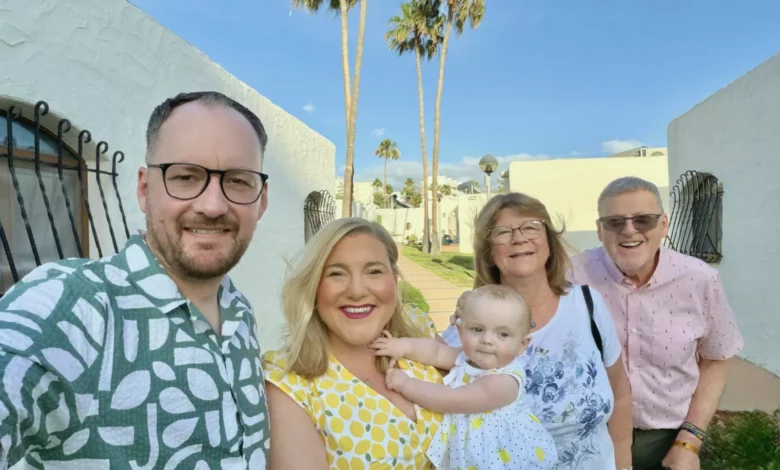
Tony Newitt, 71, from Alcester, Warwickshire, feared he would never walk again or meet his infant granddaughter, Isabelle, after a rare autoimmune disorder left him paralysed from the neck down. A cancer survivor whose scans had shown no sign of disease just months earlier, he credits plasma donations – the “liquid gold” sourced from volunteer donors – with giving him back his life. Now he and his daughter, Lauren Marshall, 37, are urging more people to come forward and donate.
Mr Newitt was diagnosed with Guillain-Barré Syndrome (GBS) in 2025, shortly after completing chemotherapy for bowel and liver cancer diagnosed the previous year. The rapid onset of paralysis was devastating. “I thought I would never walk again, never hold Isabelle,” he told friends and family from his hospital bed. The syndrome initially paralysed him from the neck down, and medical staff warned that his prognosis was poor given his age and the severity of the condition.
The disorder: Guillain-Barré Syndrome
GBS is a rare neurological emergency in which the body’s immune system attacks the peripheral nerves. According to NHS data, it affects approximately one to two people per 100,000 each year in the UK – around 1,300 cases annually. It is often triggered by an infection, such as Campylobacter jejuni or certain viruses, which prompts the immune system to mistakenly target similar-looking molecules on nerve cells in a process called molecular mimicry. Symptoms typically include rapidly progressive weakness ascending from the legs, numbness, pins and needles, muscle weakness, facial drooping, difficulty swallowing or speaking, and in severe cases respiratory failure. Most people recover within a year, but the full recovery period can stretch from six to 18 months, and some patients are left with persistent muscle weakness, fatigue, nerve pain or anxiety.
How plasma donations pulled Tony back from paralysis
Mr Newitt received two treatments derived entirely from donated plasma – and the combination, delivered sequentially, defied medical expectations. The first was intravenous immunoglobulin (IVIG), a treatment in which healthy antibodies from donated plasma are infused directly into a vein. These antibodies work to block or neutralise the harmful autoantibodies that were attacking his nerves. The second was therapeutic plasma exchange (TPE), also known as plasmapheresis. In this procedure, Mr Newitt’s blood was drawn, the plasma – the liquid component containing the damaging antibodies – was separated and removed, and the remaining blood cells were returned to his body, often with a replacement fluid such as albumin.
He underwent five IVIG infusions and five plasma exchanges over a 10-day period at the neurological ward of University Hospitals Coventry and Warwickshire NHS Trust. Timing was critical: studies show TPE is most effective when initiated within seven days of symptom onset, and IVIG within the first two weeks, though benefits can be seen up to four weeks. Current guidelines do not generally recommend combining both treatments simultaneously because of a lack of evidence for additional benefit – some sources suggest TPE may even wash out IVIG – but clinicians opted for a sequential approach in Mr Newitt’s case, likely due to the severity of his paralysis.
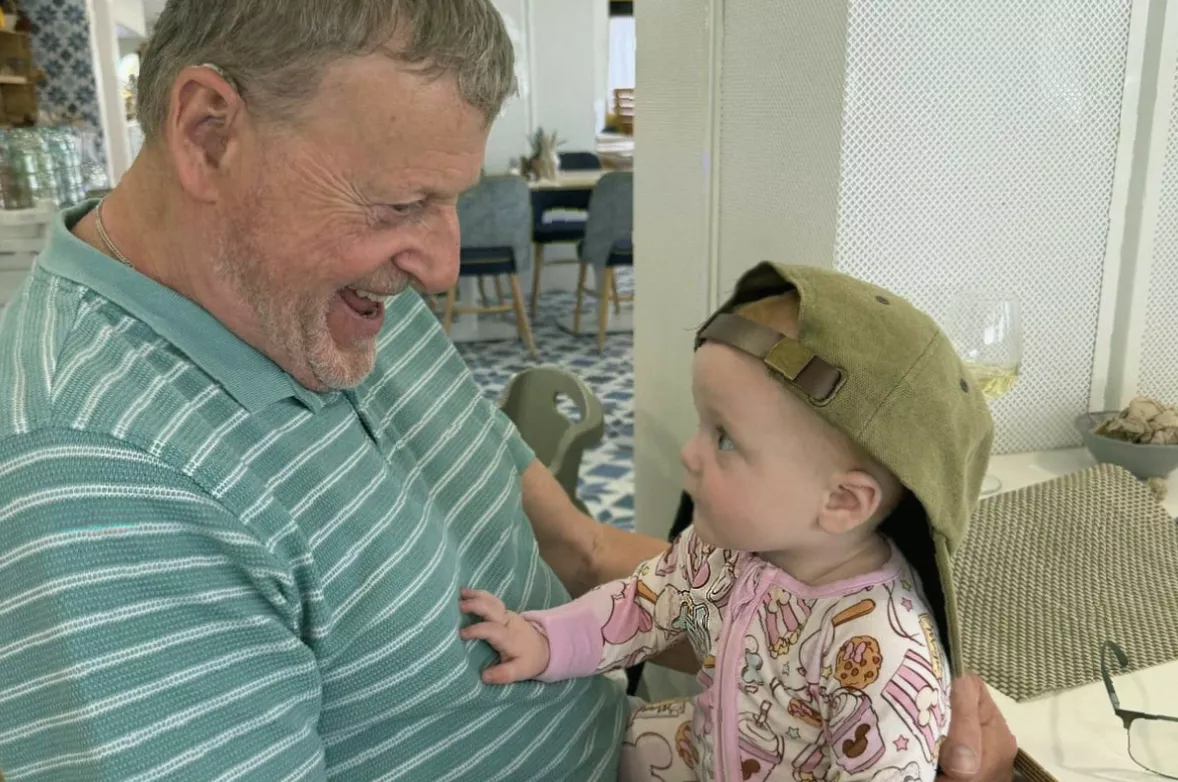
The result was a recovery that left doctors astonished. After a six-month stay, Mr Newitt was transferred to Leamington Rehab Hospital, from which he walked out – a feat his age and the extent of his GBS had made seem almost impossible. “I walked out of hospital,” he said. “Without those plasma donors, I would still be lying in a bed, unable to move.”
The vital need for plasma donors
Plasma is the straw-coloured liquid component of blood, rich in antibodies, proteins and other essential substances. NHS Blood and Transplant (NHSBT) calls it “liquid gold” because it is the source material for life-saving medicines such as immunoglobulins, which are used not only for GBS but for dozens of autoimmune conditions and immune deficiencies. The NHS is actively working to increase domestic plasma donation to reduce reliance on imports and achieve greater self-sufficiency in producing these medicines.
Mr Newitt’s daughter, Lauren Marshall, 37, who is now a regular plasma donor, said her father’s experience made her understand the difference a single donation can make. “When you see someone you love paralysed and then watch them walk again because of something you can give – it’s incredible,” she said. The family is calling on others to follow suit. Plasma donors must be fit and well, aged 17 to 65 (or over 65 if a regular blood donor), and weigh more than 50 kilograms (7 stone 12 lbs). Donations can be made every four weeks at dedicated centres in Birmingham, Reading and Twickenham, with appointments taking around 90 minutes. Certain medical conditions – including some cancer histories, organ transplants, HIV or HTLV positivity, and injection of non-prescribed drugs – may temporarily or permanently defer a donor, but NHSBT says many people who have never considered donating are eligible.
Mr Newitt, pictured with his wife Sue, granddaughter Isabelle and daughter Lauren, remains grateful for the strangers whose plasma saved him. He now speaks openly about the sudden, terrifying onset of GBS and the urgent need for donors to help the next person who might be struck down by the same rare disorder. “I had cancer and beat it, then this hit me out of nowhere,” he said. “The plasma – the people who gave it – that’s what brought me back to my family.”