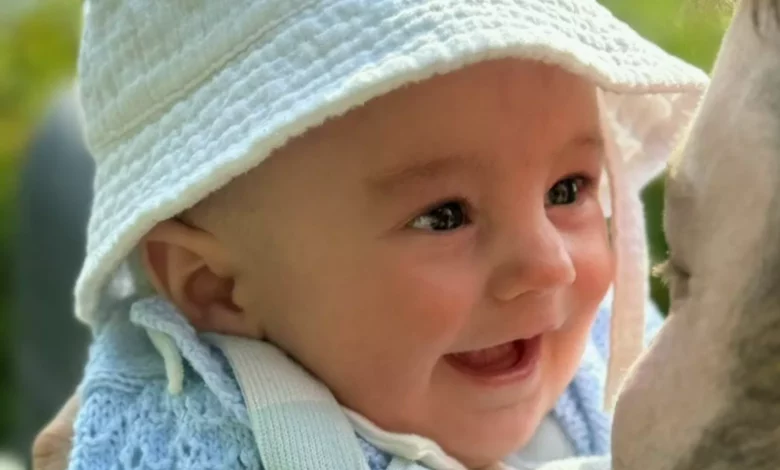
Arthur Ransom is believed to be the youngest person in the UK ever to have received a blood transfusion, a life-saving intervention delivered via a needle to his tiny body while he was still in the womb at just 16 weeks gestation.
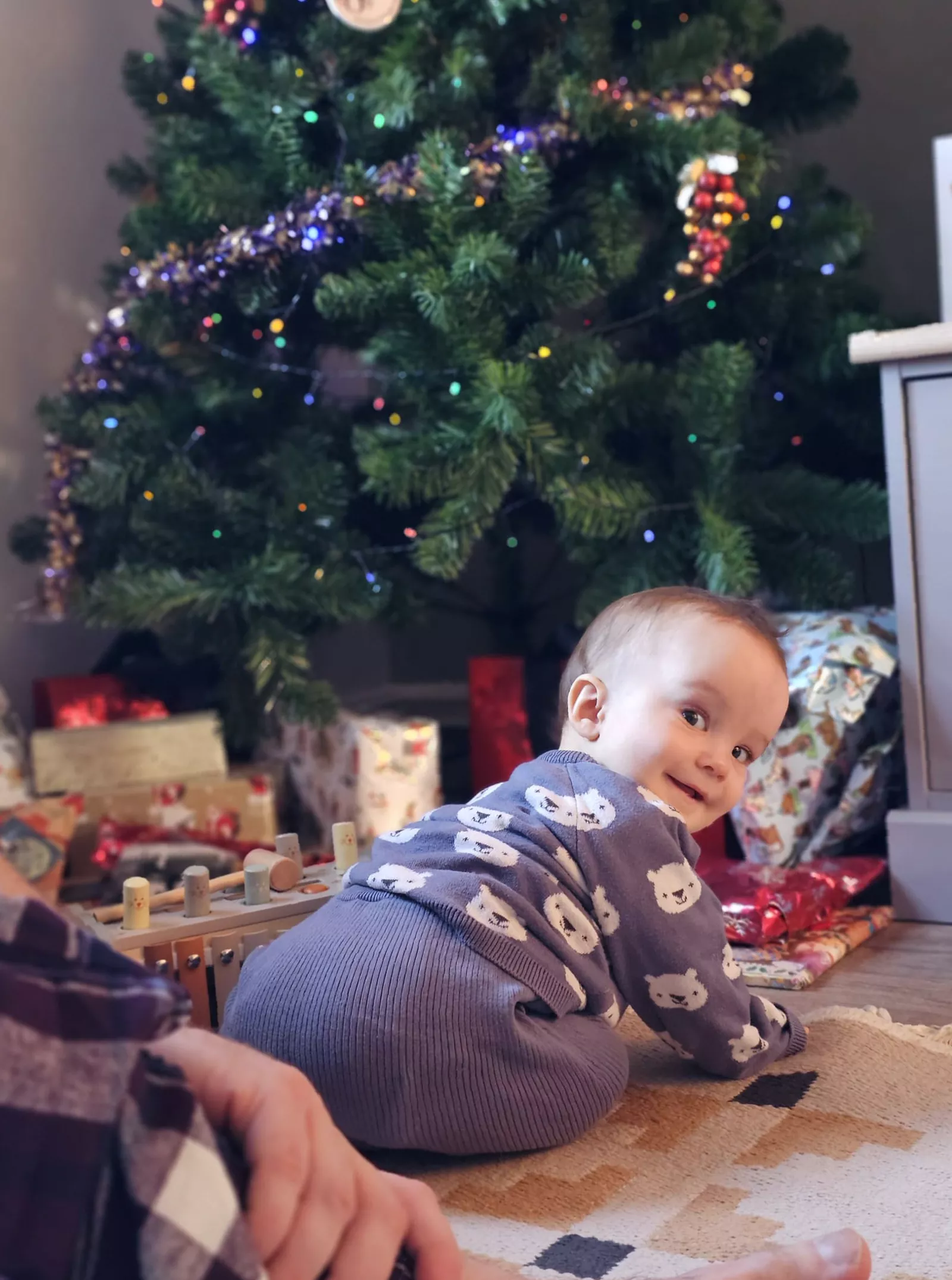
His mother, Maisie Ransom, has spoken of her profound gratitude to the blood donors who made his survival possible. “I don’t think there are words to describe how thankful I am,” said the 30-year-old primary school teacher from Cranleigh, Surrey. “To have the life I am now living, with my family, there’s no words to express the gratitude I feel and how fortunate I was to be able to access that care and blood promptly.” Her son Arthur, born in January 2025, is now “doing great” and reaching all his milestones.
The procedure that saved him is an intrauterine transfusion (IUT), an exceptionally rare and intricate intervention performed only in specialised units when severe fetal anaemia threatens a baby’s life. Doctors at St George’s Hospital in London performed Arthur’s IUT in 2024, when he was approximately the size of an avocado. The transfusion delivered concentrated, oxygen-rich red blood cells directly into his bloodstream, which allowed dangerous fluid surrounding his heart and organs to be reabsorbed and normal cardiac function to return.
The precise science of a lifesaving procedure
The blood used for an IUT is among the most specialised that NHS Blood and Transplant (NHSBT) provides, with only around 180 units issued each year. The criteria for donors are exceptionally strict. To be eligible, donors must be male, have type O blood, be “Kell negative,” and also test negative for cytomegalovirus (CMV). This combination produces what is known as “high spec” blood, which is in high demand for the most vulnerable patients.
The Kell antigen is a significant blood group factor; being Kell negative is crucial because Kell antibodies can cause severe reactions in neonates. Only 1.4% to 2.7% of the general UK population is Kell negative. Furthermore, CMV is a common virus usually harmless to adults but which can cause serious complications if passed to a fetus. Using CMV-negative blood eliminates this risk for the immunologically immature baby.
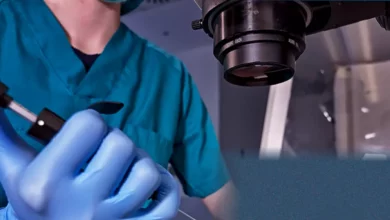
For the procedure itself, the donor’s blood is processed into extremely concentrated packs of red cells. Guided by real-time ultrasound imaging, a consultant uses a fine needle to access the umbilical cord vein within the womb to administer the transfusion. It is a high-stakes intervention; as a pioneering procedure first developed in 1963, it carries inherent risks, including a fetal death rate of 1-3% per procedure, which can be higher for critically unwell, hydropic fetuses like Arthur was.
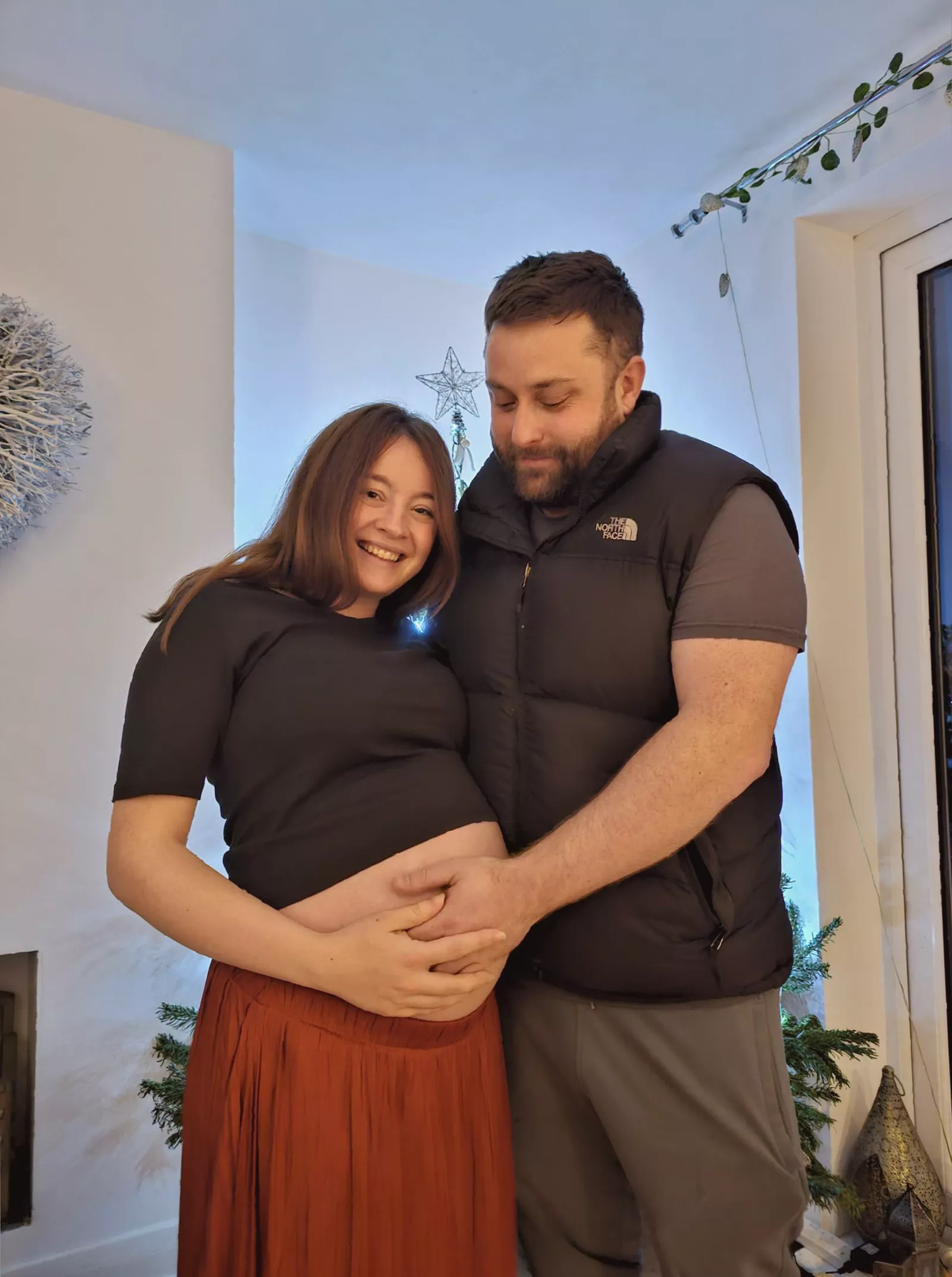
In Arthur’s case, the cause of his life-threatening anaemia was parvovirus B19, commonly known as slapped cheek syndrome. While typically a mild childhood illness, the virus can be devastating for a fetus if contracted by a non-immune mother during pregnancy, with a mother-to-child transmission rate of about 30%. For the fetus, the virus attacks red blood cell precursors, causing severe anaemia that can lead to heart failure and fluid accumulation, known as hydrops. There is no routine screening for parvovirus in UK antenatal care due to the lack of a vaccine or preventative treatment, but suspected exposure triggers close monitoring.
“A very small act of kindness with a massive impact”
NHSBT has identified eight donors whose blood has been used most frequently for these rare IUTs. Among them is Paul Bickley, a 45-year-old father of four from Richmond. “Hearing my blood was used in this way almost made me cry,” he said. “To think a very small act of kindness on my part could have such a massive impact. It was mind-blowing and miraculous.”
Another, David Smith, a 64-year-old retired engineer from Westminster who has donated over 80 times, stated simply: “You can’t not do it if you can help babies, you have to.”
Dr Anne Kelly, paediatric transfusion and components clinical expert for NHSBT, emphasised the importance of these carefully selected donations. “We only supply blood from carefully selected donors and extra safety measures are applied as the patients are particularly vulnerable recipients because of their small size and developmental immaturity,” she said. The service is actively working on a donor genotyping programme to better identify rare blood types and move towards “precision-matched” blood for all patients, a shift particularly vital for those with conditions like sickle cell disease.
Dr Luci Etheridge, consultant paediatrician and chief medical officer at St George’s Hospital — an accredited Haemoglobinopathy Specialist Centre with a large paediatric intensive care unit — underscored the procedure’s significance. “For babies like Arthur, a blood transfusion while still in the womb can mean the difference between life and loss,” she said. Reflecting on the ordeal, Maisie Ransom recalled the moment doctors gave her son a 50/50 chance of survival. “Without that blood he would not have made it,” she said. “If nothing was done he would not have made it much longer.”