Two-thirds of NHS nurses warn patient safety at risk due to staffing shortages, survey shows

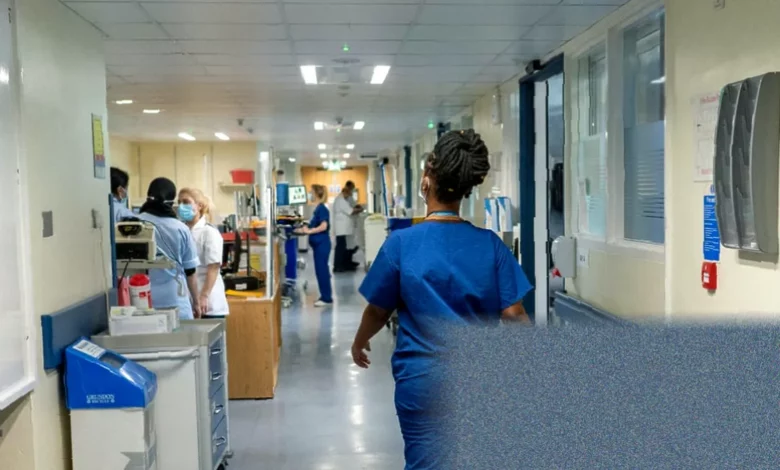
Nearly two-thirds of nurses believe there are too few of them working in the NHS to keep patients safe and give them proper care, a major survey has revealed.
The Royal College of Nursing (RCN) poll of more than 13,000 nursing staff across the UK found that 64% said the number of registered nurses on duty during their last shift was “below” or “well below” what was needed for safe care. More than one in five (22%) reported that nurse numbers were so far below requirements that there was a “high risk” of harm to patients and staff alike.
Only one in ten nurses said staffing levels were adequate to meet all patient needs on their last shift. As a result, 69% said they had been forced to make difficult decisions about which care to prioritise. The toll on staff wellbeing is stark: over three-quarters of respondents said they felt emotionally exhausted after their last shift, a figure that rose sharply among those working in understaffed conditions.
One nurse working in an A&E department in England told the union: “The shift was completely unsafe and it felt like a miracle that avoidable harm was not caused.” Another, on an older people’s ward, said: “Managing high-risk fall patients who require one-to-one supervision is simply not achievable with current staffing levels.”
RCN warns of a ‘deadly mix’
Understaffing and the increasingly complex medical needs of an ageing population are creating a “deadly mix” for patients, the RCN has warned. Around 80% of nurses surveyed said clinical complexity had increased over the past two years, driven by an older population and more people living with long-term conditions.
Prof Nicola Ranger, the RCN’s chief executive and general secretary, will tell the union’s annual congress in Liverpool that ministers are failing to ensure the health service has enough nurses and that the profession is being “set up to fail”. “Widespread vacancies of registered nurses are always unsafe,” she said. “But the risk is being compounded by the demands of delivering ever more complex care to an ageing, sicker population, with multiple conditions. It’s a deadly mix.”
The warning comes as figures released by the RCN show that growth in the nursing workforce in England slowed last year to its lowest level in eight years. Over the past decade, the rate of increase in the number of doctors employed by the NHS in England has outstripped that of nurses by 51%.
Vacancy rates remain stubbornly high. As of March 2025, there were 25,632 registered nursing vacancies across the UK, a vacancy rate of 6.0% — though this was down from 7.5% the previous year. By September 2025, the figure had risen again to over 29,000 vacancies. Staff turnover is also taking a toll: in the year to November 2025, approximately 130,200 full-time equivalent staff left the NHS in England, including 29,300 nurses and health visitors. The RCN has identified feeling undervalued, excessive pressure, low staffing levels and unsafe working conditions as key reasons nurses consider leaving.
The RCN is calling for mandatory minimum safe nurse staffing levels. Legislation already exists in Scotland and Wales, and is expected in Northern Ireland early this year, but England currently has no specific law governing nurse-to-patient ratios.
Low registered nurse staffing levels have been linked to increased patient mortality. Research cited by the RCN shows that for every day a patient is on a ward with fewer than the average number of nurses, their chance of dying increases by 3%. Understaffing also compromises clinical judgment through mental fatigue, raises the risk of medication errors, and reduces continuity of care, leading to missed appointments and cancelled therapeutic activities.
Government response
A Department of Health and Social Care spokesperson said: “Nurses are the backbone of our NHS, and support patients both physically and emotionally in their most vulnerable moments. It is vital that they are equipped with the tools and resources they need to deliver world class care to those who need it.
“We have recruited 16,000 more nurses and health visitors since we were elected in July 2024, and our upcoming 10-year workforce plan will set out a clear roadmap to improve working lives in the NHS, including better treatment of staff, higher-quality training, and more fulfilling roles.”
The government has also pointed to the NHS Long Term Workforce Plan, published in July 2023, which aims to increase total NHS headcount by 60% by 2036/37, including an additional 170,000 to 190,000 nurses. However, a more recent 10-year health plan from July 2025 suggests there will be fewer staff by 2035 than previously projected, though it states those remaining will be “better treated, more motivated, have better training and more scope to develop their careers”.
NHS financial pressures
Meanwhile, NHS leaders in England have warned that hospitals will have to make “deep cuts” to services this year because of a lack of funds. A survey of trust leaders by the membership body NHS Alliance found that 64% expect to cut services in 2025, 83% fear financial constraints will affect planned patient care, and 78% worry it will impact emergency care. More than half (57%) said they planned to cut clinical staffing to save money.
The financial strain is severe: NHS trusts collectively ran a deficit of £780 million in 2024/25, and 75% of trust leaders believe financial pressures will worsen in 2026/27. Ciaran Devane, chief executive of the NHS Alliance, said that in many ways the health service is “starting to turn a corner”, with shorter waiting times and higher public satisfaction. But progress is at risk, he warned, with “likely service closures and job cuts this year” because the service needs more money to do its job properly.
A Department of Health and Social Care spokesperson responded: “We recognise the challenges NHS leaders face, but this government has supported the health service with record investment, boosted productivity, and driven improvements in tech. Waiting lists are at their lowest level in more than three years, and over half a million fewer people are waiting for treatment since July 2024. We’ve also expanded community diagnostics, surgical hubs and GP appointments to get patients seen faster.”