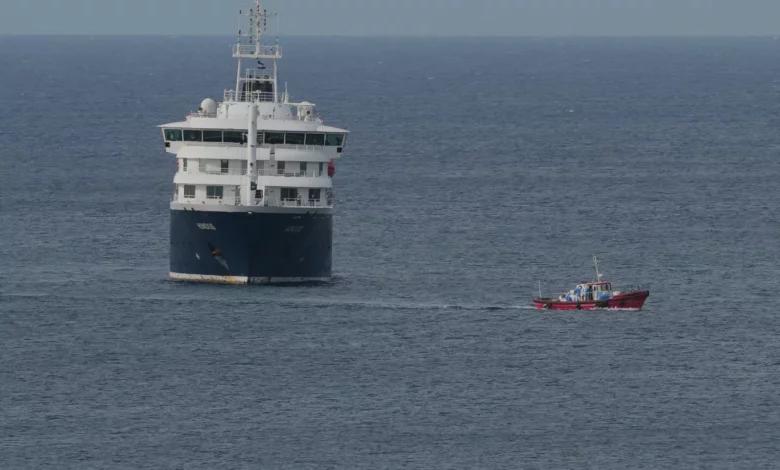
Two British passengers who were medically evacuated from the hantavirus‑stricken cruise ship MV Hondius are showing signs of recovery, global health authorities have confirmed.
Dr Maria Van Kerkhove of the World Health Organisation told a press briefing that the patient in South Africa is “doing better” and the two patients being treated in the Netherlands are “stable”. One of those in the Netherlands is Martin Anstee, 56, a former police officer working as an expedition guide, who was flown there on Wednesday. Speaking from hospital, he said he was “doing OK” and feeling “not too bad”, though still undergoing tests and remaining in isolation. His wife, Nicola, described the ordeal as “a very traumatic few days”, adding that he had been “relieved to be off the ship” but that the virus can “deteriorate very quickly”.
The other Briton receiving care is a 69‑year‑old man who was taken to a private health facility in Sandton, Johannesburg, on April 27 and placed in intensive care. Dr Van Kerkhove described his improvement as “very good news”.
WHO assesses public risk as low but warns further cases possible
Dr Tedros Adhanom Ghebreyesus, WHO director‑general, said that while the incident is serious, the public health risk is assessed as low. However, he cautioned that more cases may emerge because of the incubation period of the Andes strain of hantavirus, which can be up to six weeks. “Given the incubation period … it’s possible that more cases may be reported,” he said.
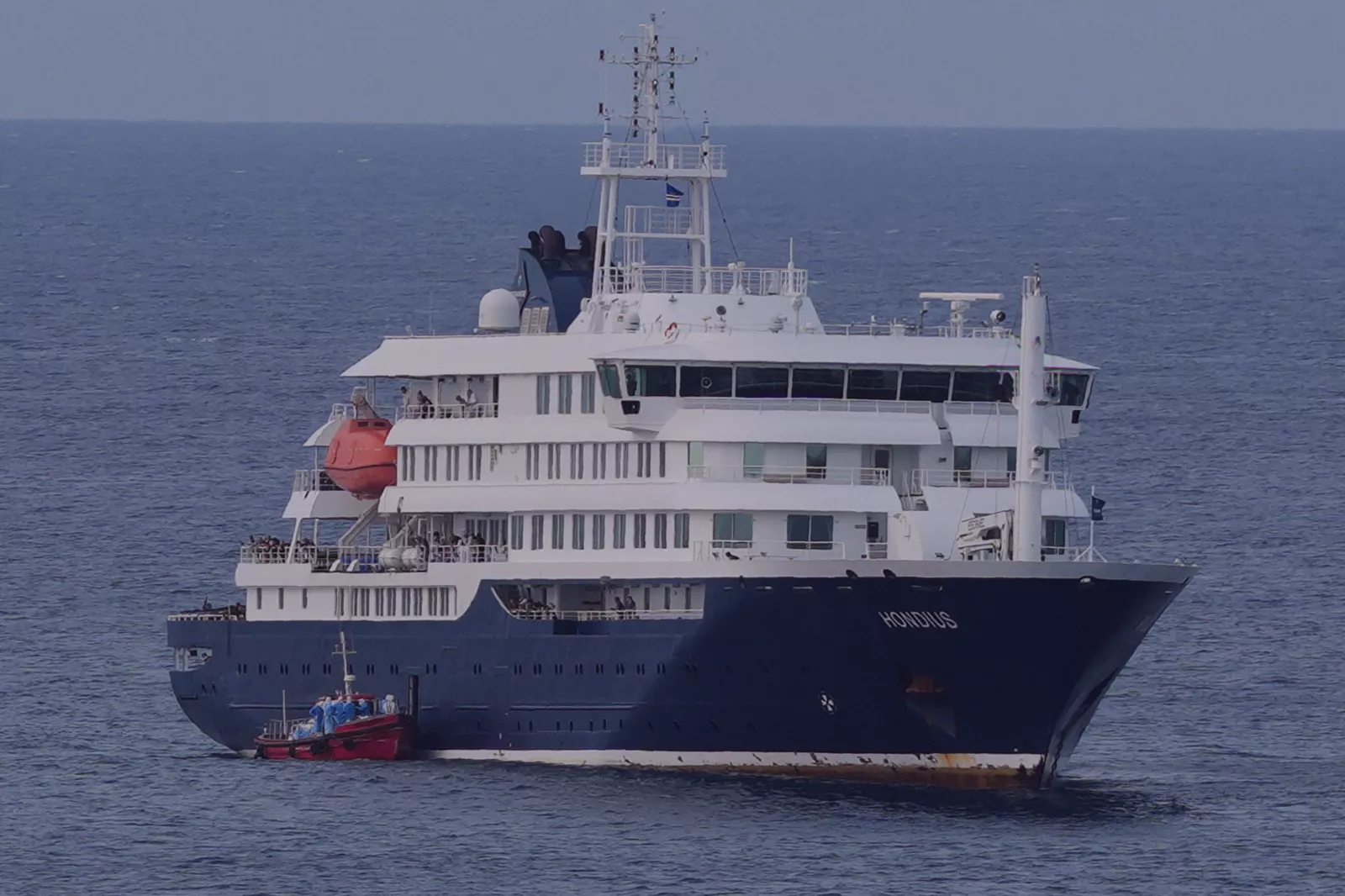
Two doctors are now on board the ship, alongside infectious disease experts from the WHO and the European Centre for Disease Prevention and Control, who are carrying out a medical assessment of everyone on the vessel. Dr Tedros said he had been in regular contact with the captain, who reported that “morale has improved significantly since the ship started moving again”. The MV Hondius left Cape Verde on Wednesday evening and is expected to arrive at the port of Granadilla in Tenerife in three to four days, where Spanish authorities have granted permission for it to dock.
The outbreak is linked to a birdwatching expedition in Ushuaia, Argentina, which two passengers went on before boarding. Argentine officials believe a Dutch couple contracted the virus during that trip, possibly at a landfill site where they may have been exposed to infected rodents. The Andes strain of hantavirus is unique among American hantaviruses in that it can, in rare cases, be transmitted from person to person through prolonged close contact. The virus is typically spread by inhaling aerosolised particles from rodent urine, droppings or saliva. Early symptoms include fatigue, fever, muscle aches, headache, dizziness, chills and gastrointestinal problems, which can rapidly progress to severe respiratory distress and pneumonia. The case fatality rate can be as high as 40 per cent. There is no specific treatment or vaccine; care is supportive, often in intensive care.
Incubation period drives lengthy isolation advice
Professor Robin May, chief scientific officer at the UK Health Security Agency, explained that the “most extreme case of incubation” for hantavirus “may be up to eight weeks”, although the general scientific consensus is that people need to isolate for “probably six weeks”. That is why UK health authorities are recommending a 45‑day self‑isolation period for British passengers who have been on the ship. He stressed that for the broader public not involved in the cruise, “the risk here is really negligible”.

Two Britons who disembarked the ship in the remote South Atlantic island of St Helena on April 24 have already returned to the UK via Johannesburg and are voluntarily self‑isolating at home. They contacted health officials when they heard about the cases and do not have symptoms. Contact tracing is under way for anyone who may have sat next to them on the flight. The European Centre for Disease Prevention and Control has said that everyone who was on board the ship should be considered a “close contact”.
Details of disembarkations and isolation
A total of 29 people left the ship when it docked at St Helena on April 24. That number includes the body of a 70‑year‑old Dutch man who died on board on April 11, and his 69‑year‑old wife, who accompanied the body. She became unwell during the onward journey and died in a Johannesburg hospital. The 30 people who disembarked – the tour operator Oceanwide Expeditions said the figure included the deceased – came from 12 nations, including the seven Britons. The UK Health Security Agency has been asked whether it has been in touch with all seven of those British nationals.
Some 19 British nationals were listed as passengers on the MV Hondius, which was sailing from Argentina to Cape Verde, along with four British crew members. None of the British citizens still on board is reporting symptoms, but they are being closely monitored. The Foreign Office is organising a charter flight so that the remaining Britons who are not displaying symptoms can be repatriated once the ship reaches Tenerife, where they will be asked to self‑isolate for 45 days.
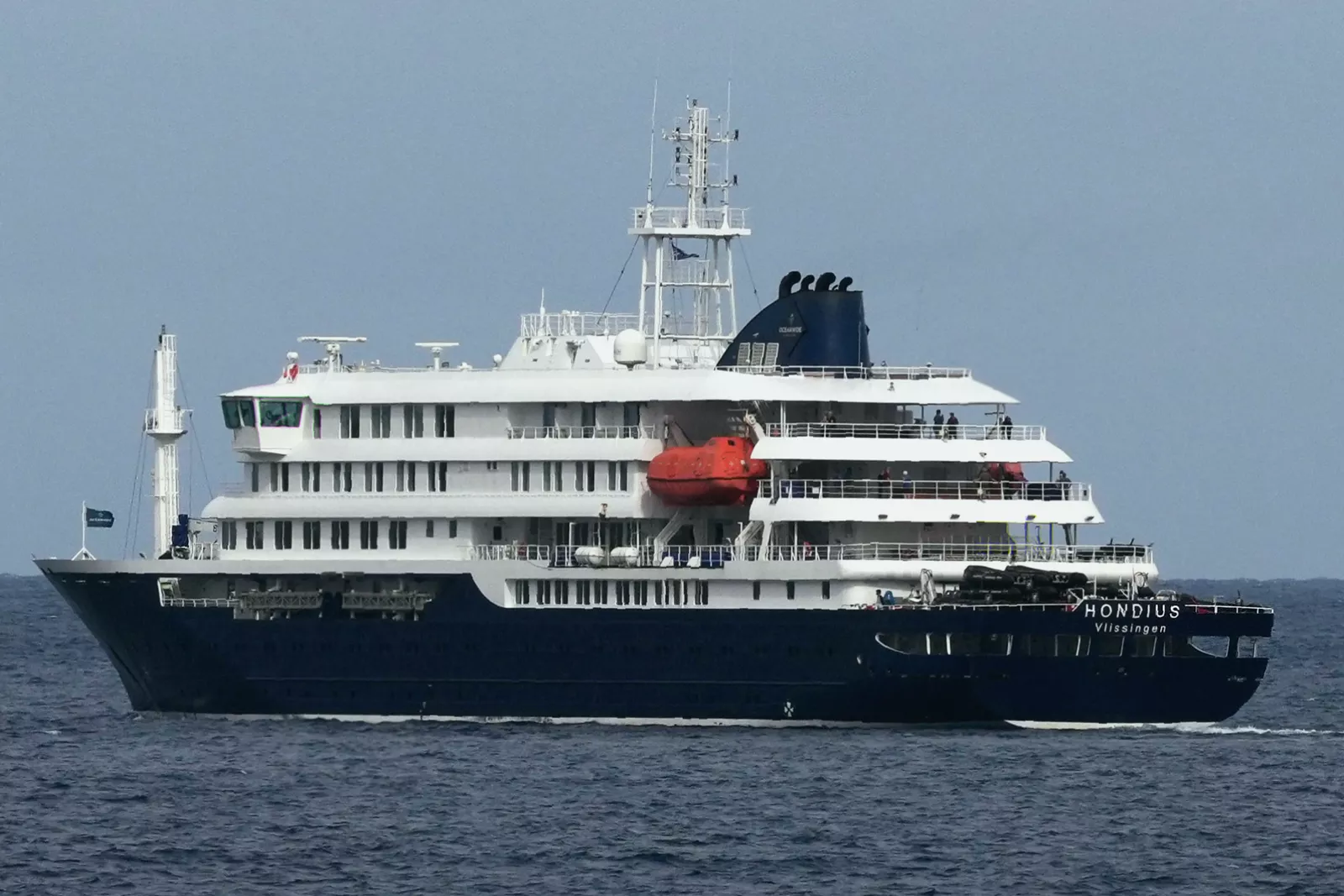
Passengers were confined to their cabins while disinfection and other public health measures were carried out, the WHO said earlier. Oceanwide Expeditions confirmed that on April 1, 2026, 114 guests boarded the MV Hondius in Ushuaia. Thirty guests, including the body of the passenger who died on April 11, disembarked at St Helena. The tour operator said it had contacted everyone who left the ship.
The outbreak has been linked to three deaths: the Dutch man, his wife, and a 65‑year‑old German passenger who died on board on May 2. A Dutch woman who disembarked at St Helena and travelled to South Africa died after collapsing at Johannesburg airport. According to the WHO, seven cases have been confirmed – two laboratory‑confirmed and five suspected – as of May 5.
A Swiss passenger who also left the ship at St Helena has since tested positive for hantavirus in Switzerland.