Marine life faces severe decline from ongoing ocean warming, research indicates

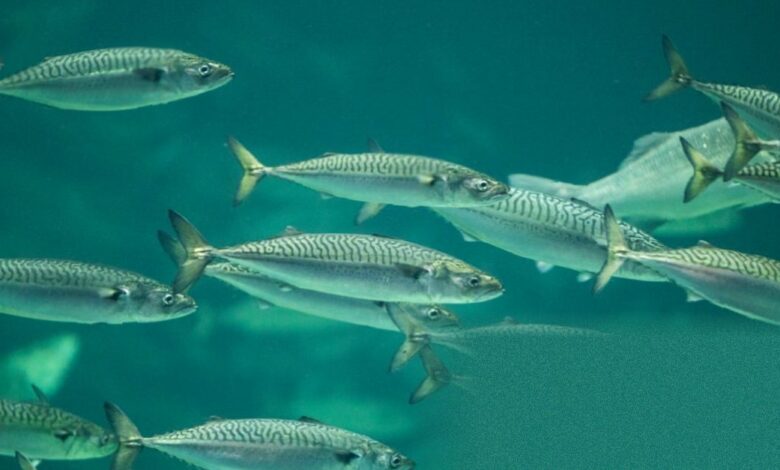
A new scientific study has laid bare the precise, alarming toll that chronic ocean heating is taking on global fish populations, revealing a governance dilemma where short-term booms mask a long-term crisis.
Research published in the journal Nature Ecology & Evolution finds that for every 0.1°C of warming per decade at the seabed, fish biomass falls by an average of 7.2%. The study, which analysed over 33,000 fish populations across the Northern Hemisphere between 1993 and 2021, isolated the gradual, chronic effect of warming from short-term spikes like marine heatwaves. In single years, this relentless heating could drive biomass losses as high as 19.8%.
“To put it simply, the faster the ocean floor warms, the faster we lose fish,” said Shahar Chaikin, a marine ecologist at Spain’s National Museum of Natural Sciences and the study’s lead author. He warned that a 7.2% decline per decade for each tenth of a degree, “compounded over time, across entire ocean basins, it represents a staggering and deeply concerning loss of marine life.”
The Masking Effect
One of the study’s most critical findings is the complex interplay between chronic warming and extreme events. While gradual heating exerts a consistent downward pressure, marine heatwaves—periods of abnormally high water temperature—can cause temporary population explosions in some areas, obscuring the underlying decline.
The research, focused on regions including the Mediterranean, North Atlantic, and Northeast Pacific, shows these effects are heavily dependent on a species’ “thermal comfort zone”. For example, a heatwave causing a decline in sprat in the warmer Mediterranean could trigger a boom for the same species in the colder North Sea. The data showed fish in colder areas could see temporary biomass increases of up to 176%, while populations in warmer regions might plummet by 43.4%.
Carlos García-Soto, a scientist at the Spanish National Research Council and co-author of the UN’s world ocean assessment, said this created a “concerning dynamic for ocean governance.” He explained, “Overall warming reduces fish biomass, while heatwaves can generate temporary increases that mask the underlying trend. This combination introduces a clear risk of poor interpretation when taking decisions.” He stressed that policy must not react solely to extreme events but require consistency between science, planning, and governance.
The danger, experts note, is that fisheries managers might be tempted to increase catch quotas based on a transient population boom, risking stock collapse when conditions normalise.
A Crisis Compounded by Overfishing
The ocean warming crisis is not occurring in a vacuum but is exacerbating an existing emergency: rampant overfishing. Guillermo Ortuño Crespo, a marine biologist who co-directs a high seas specialist group with the International Union for Conservation of Nature, described the new study as “methodologically sound and highly valuable” but cautioned against making climate breakdown the sole explanation for biomass changes.
“Historically, overfishing has been the main driver of biomass declines in many of the world’s fisheries,” he said. According to the UN Food and Agriculture Organization (FAO), 35.5% of global fish stocks are now overfished, a proportion that continues to rise. Between 2007 and 2016, an estimated 970 billion to 2.7 trillion fish were caught from the wild annually. “The current challenge is that this overfishing crisis is being further exacerbated by ocean warming and deoxygenation,” Ortuño Crespo added.
This pattern of compounded pressure is echoed in freshwater systems. A separate report has indicated an 81% decline in migratory freshwater fish populations between 1970 and 2020, driven primarily by habitat loss, degradation, and overfishing.
The physical basis for the threat is stark. The oceans absorb over 90% of the excess heat trapped by greenhouse gases. Since 1901, the top 700 metres of the global ocean have warmed by about 1.5°F, with recent estimates suggesting the rate of warming in the upper ocean is about 40% higher than previously thought. This energy fuels more frequent, intense, and prolonged marine heatwaves, defined as periods when water temperatures exceed 90% of previous observations for that time of year.
Scientists have repeatedly warned that “every fraction of a degree matters” in limiting global heating. Shahar Chaikin said his team’s research proves “exactly what that biological cost looks like underwater.” His conclusion was blunt: “If we allow the pace of ocean warming to speed up by even a 10th of a degree per decade, we are expecting great losses to global fish populations that no management plan can easily fix.”