For those seeking one of Britain’s most singular day trips, a journey awaits that involves security gates, a five-mile drive across a live military range, and a glimpse into a community clinging to existence on the edge of the North Sea. The Foulness Heritage Centre, a museum dedicated to the civilian life of a remote Essex island, prepares to reopen for its tightly controlled public season, offering a rare portal into a world overshadowed by decades of secretive weapons testing.
A Landscape of Contrasts and Contamination
Foulness Island is a place of stark contradictions. Owned by the Ministry of Defence (MoD) since it was taken over for military use in 1914, its marshy terrain has served as a proving ground for armaments, missiles, torpedoes, and ballistics for over a century. Its most clandestine role, however, was in Britain’s early nuclear programme. According to historical research, the former Atomic Weapons Research Establishment (AWRE) on Foulness was involved in the assembly of the UK’s first atomic device, detonated in Australia in October 1952. This legacy has led to enduring concerns about potential land contamination from toxic materials and stray munitions.
Yet, simultaneously, the island and its surrounding Maplin Sands are an internationally important haven for wildlife, designated as a Special Protection Area (SPA) and part of the Essex Estuaries Special Area of Conservation (SAC). It is a vital habitat for migrating and breeding birds, including pied avocets. This environmental significance exists alongside the visible remnants of military infrastructure, including watchtowers and testing facilities.
A Diminished Community and Its Archive
Amid this restricted landscape lives a small civilian population. The 2021 census recorded just 158 residents in the parish, with main settlements at Churchend and Courtsend. The community has seen its amenities dwindle; the general store and post office were abandoned by July 2022, following the earlier closure of the local pub and church. In February 2026, the MoD began demolishing nine derelict residential properties and agricultural barns on the island, citing health and safety risks, with the sites to be returned to open land.
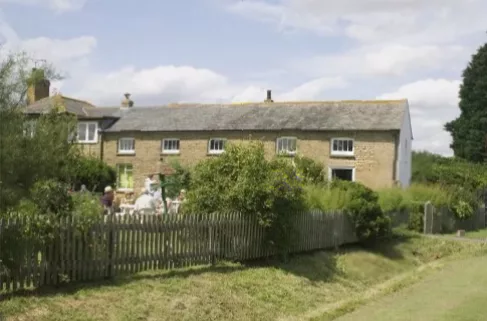
It is this community’s story that the Foulness Heritage Centre exists to tell. Housed in the former Foulness Primary School, which closed in 1988, the museum was converted by volunteers from the Foulness Conservation and Archaeological Society (FCAS) and opened in February 2003. Its collection focuses deliberately on 2,000 years of rural life and civilian history, rather than the island’s military past, preserving artefacts and documents that might otherwise be lost.
The island’s history is marked by both hazard and tragedy. Its ancient access route, a treacherous tidal path across the sands known as The Broomway—or “The Doomway”—speaks to its perilous geography. This was brutally demonstrated during the Great Flood of 1953, which overwhelmed sea defences, forced evacuations, and claimed two lives on Foulness.
The Complex Pilgrimage for Visitors
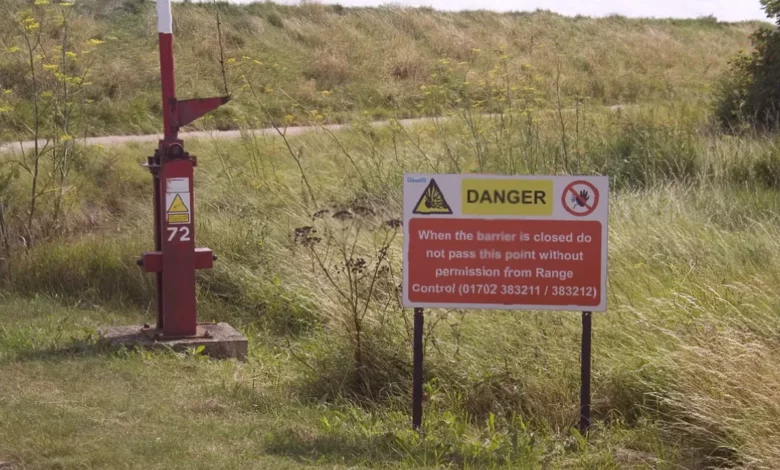
Access to this unique world is exceptionally limited. Public visits are permitted only on the first Sunday of each month from April to October, with the next open day scheduled for April 5, 2026. The window is short, from 11:45am to 4:00pm, via a security gate at Landwick, north of Shoeburyness. The MoD, which manages the range through contractor QinetiQ, imposes strict rules: visitors must stay on the designated main spine road for the sole purpose of travelling to and from the village, with no deviation permitted.
Prospective visitors must now plan ahead. While previously allowing turn-ups, the centre now requires advance registration due to limited space, and a £1 per person registration fee will be applied from July 2025. Upon clearing security, the only ways to traverse the five-mile route through the firing range are by motor vehicle or bicycle—walking is firmly discouraged. The nearest railway station is Shoeburyness on the C2C line, approximately 2.5 miles from the security gate for those cycling.
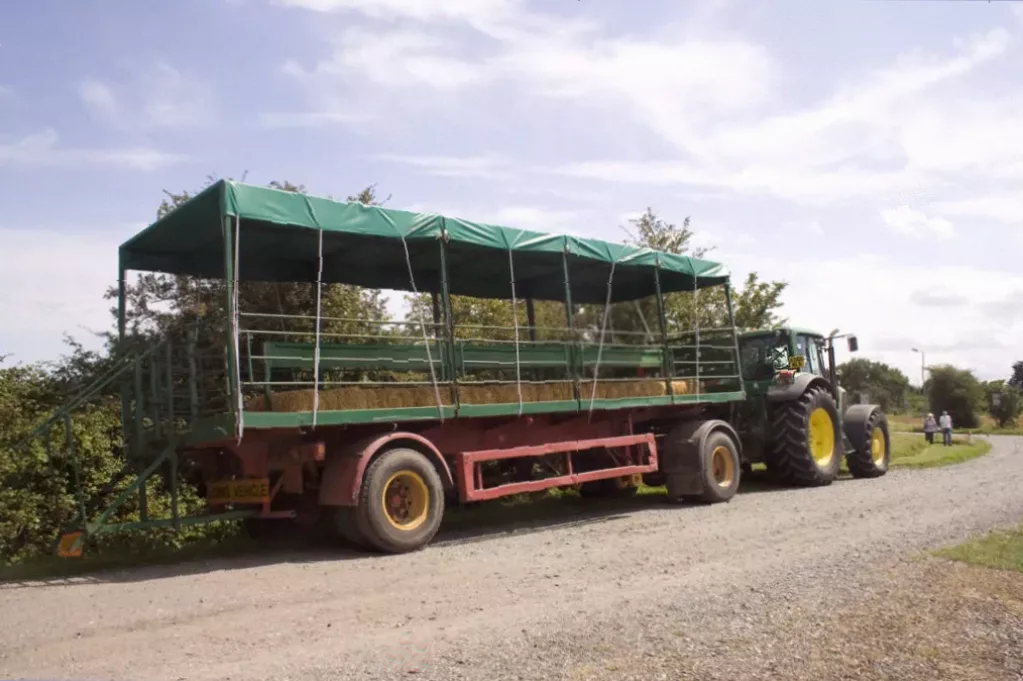
For those who secure a place, the rewards are unique. The Heritage Centre itself is described as “very good and worth a visit in its own right.” Weather permitting, visitors can enjoy lunch in the museum garden, often provided by a WI-style catering operation. Furthermore, if conditions allow and one arrives early, highly sought-after tractor tours offer a chance to see parts of the island otherwise entirely off-limits to the public.
It is a trip that demands effort and planning, but offers a rare glimpse into an isolated community living in the long shadow of Britain’s military and atomic history, all within a landscape of profound natural importance.