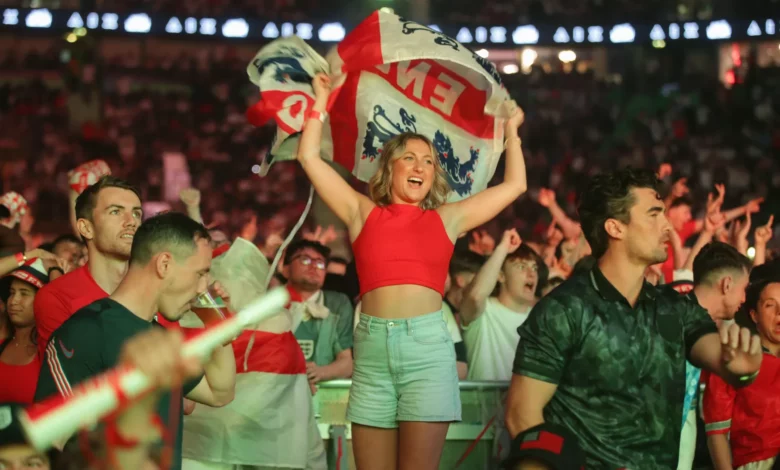
London’s beleaguered nightlife and hospitality sector is preparing for a vital summer boost, anticipating tens of thousands in extra revenue from late-night World Cup screenings as the tournament’s North American time zone pushes kick-offs into the early hours.
The 2026 FIFA Men’s World Cup, hosted across Canada, Mexico, and the United States from June 11 to July 19, will see a record 104 matches played. With kick-off times for UK viewers spanning from 5pm to as late as 5am, a significant cluster of games—including two of England’s group stage fixtures—will begin at 9pm or 10pm BST. For a sector still grappling with financial pressures after a difficult year, this schedule represents a major commercial opportunity during the crucial summer trading period.
Pubs, Clubs, and the Late-Night Divide
The impact of these unusual timings will split the after-dark economy. Pubs and bars, which have seen trade soar during previous tournaments, are hoping for a repeat. Sacha Lord, a leading hospitality entrepreneur, notes the perfect timing for a meal out followed by watching a game, a pattern that historically sees “spend per head rocket.” The government has bolstered these hopes, with Home Secretary Shabana Mahmood agreeing to extend licensing hours to 1am for knockout round matches, or 2am for any 10pm kick-offs, should a home nation progress.
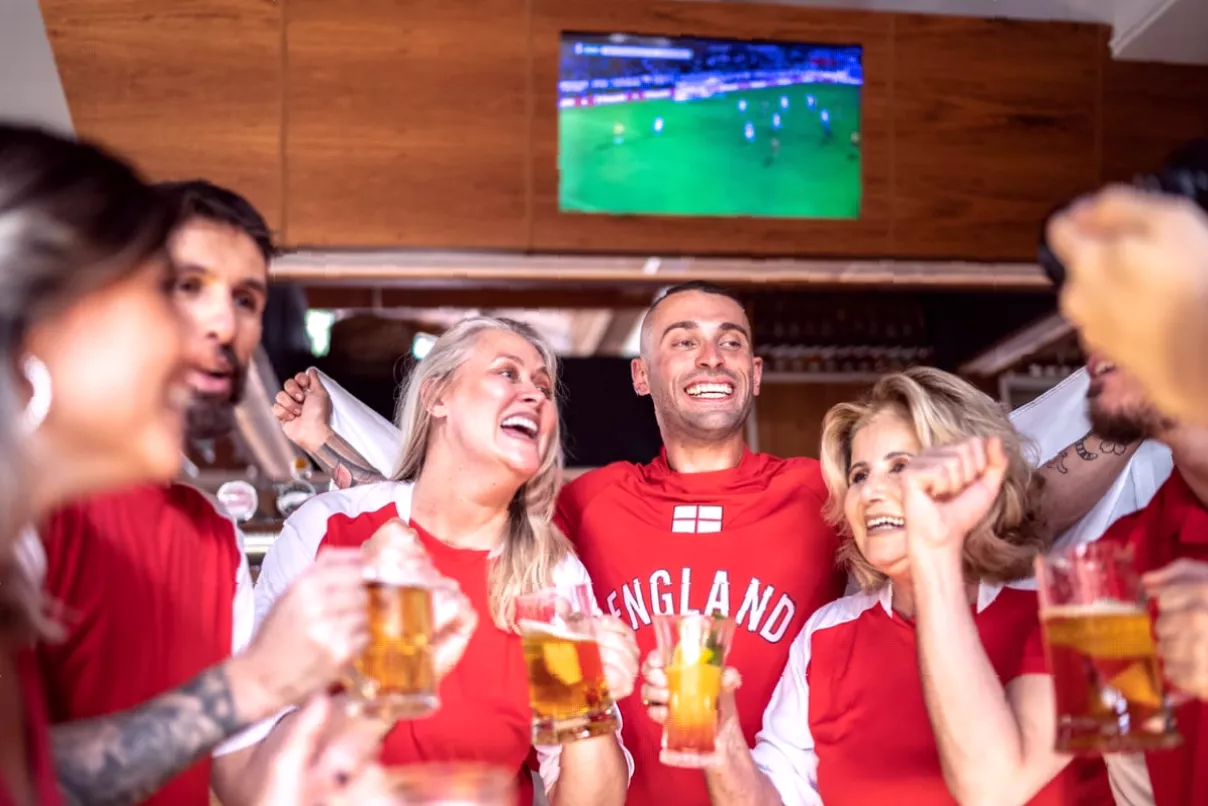
However, the very lateness of the schedule presents a unique twist. For matches kicking off at midnight or later, such as a group stage clash between Uruguay and Spain at 1am, traditional pubs may be less practical. Here, the nightclub sector sees its chance. Michael Kill, chief executive of the Night Time Industries Association (NTIA), argues that clubs and live music venues are “built for atmosphere, safety, and community” and are already equipped with the late licenses, superior sound systems, screens, and security to host large-scale screenings. “These spaces are built for atmosphere, safety, and community,” he said, urging authorities to support operators with straightforward licensing pathways.
Operators suggest that for the very latest games, nightclubs could become the venue of choice over pubs, capitalising on their existing infrastructure and expertise in managing late-night crowds. This could redirect a portion of the anticipated windfall from London’s roughly 3,500 pubs towards the capital’s club scene.
Gambling Set for a Major Tournament Surge
Beyond hospitality, the gambling industry is braced for a significant spike in activity. A nationwide survey conducted by Censuswide in February found that 68% of people who gamble expect to bet more in 2026 due to a busy sporting schedule. The FIFA Men’s World Cup is the single biggest anticipated driver, cited by 59% of respondents.
Venues like the Hippodrome Casino in Leicester Square are preparing for huge demand. Its dedicated Paddy’s Sportsbook, featuring 56 HDTV screens and self-service betting terminals, will show all games live. Simon Thomas, executive chairman of the Hippodrome Casino, emphasised the importance of 24-hour venues for such a tournament, stating it “highlights exactly why round-the-clock venues matter” for London’s economy. The surge is expected to be substantial; the 2022 World Cup saw UK wagers reach £1.5 billion, though concerns persist about a parallel rise in black market gambling during major tournaments.
A Broader Boost for a Cautious Economy
The potential economic lift arrives at a critical time. London has been notably affected by a general economic slowdown, and small business confidence is fragile. Jo Morris, head of insight at Novuna Business Finance, notes that while 40% of London enterprises forecast growth for early 2026, they have faced “countless challenges.” The hospitality sector is particularly cautious, with only around one in five small businesses in the sector predicting growth.
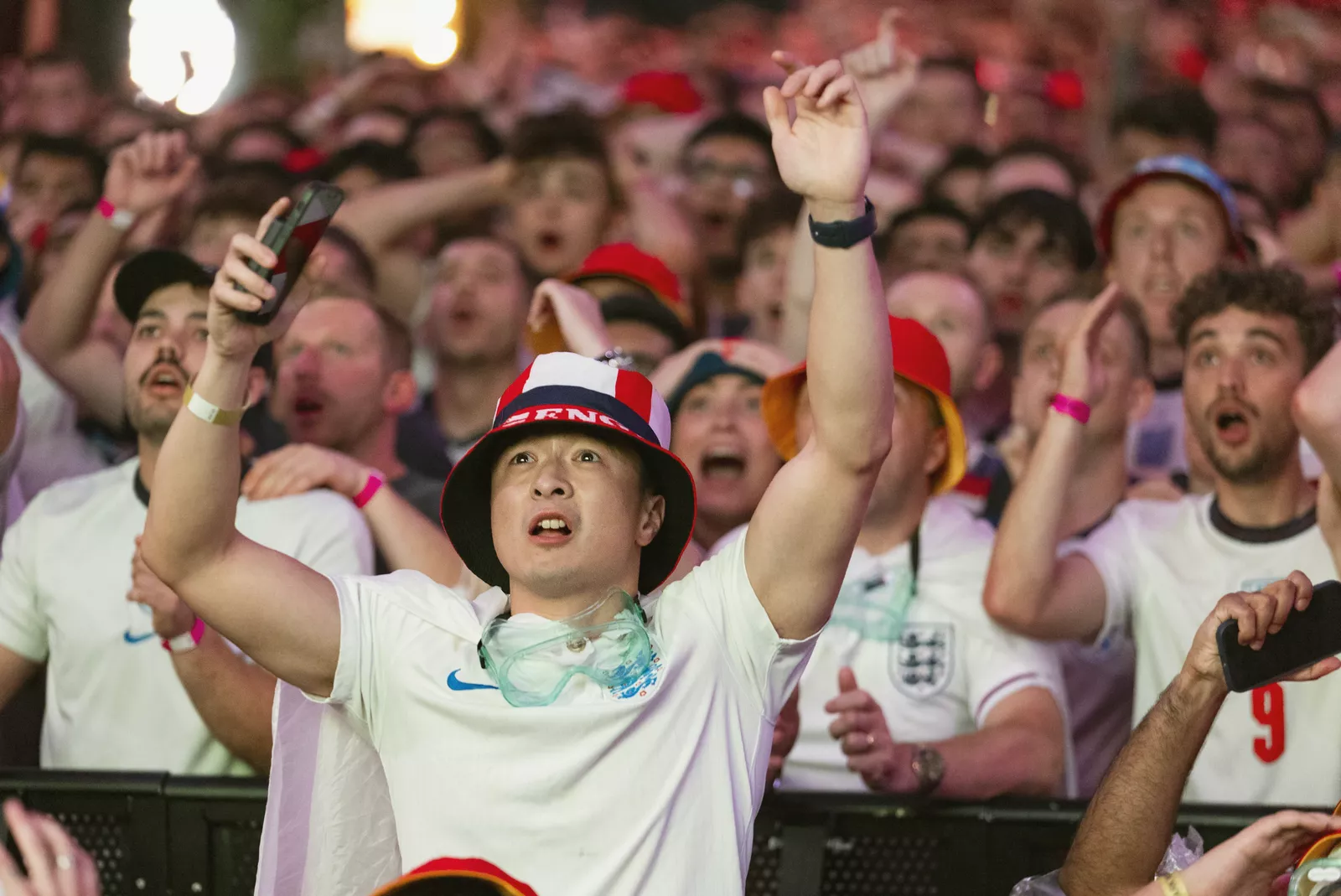
Morris suggests the World Cup could provide a vital “confidence boost” for consumers, potentially increasing spending and giving small businesses the lift they need. Major sporting events have a proven economic track record; events in London in 2024 alone generated a direct economic impact of £230 million. While precise figures for 2026 are not yet available, the 2022 World Cup reportedly added £2 billion to the UK economy, with half of that spent on food and drink.
The benefits will extend beyond England’s matches. London’s diverse international communities, from Algeria to Uzbekistan, will support their teams in specialist bars and restaurants, ensuring a capital-wide festival atmosphere. Regardless of whether England’s campaign ends with captain Harry Kane lifting the trophy at MetLife Stadium on July 19, the six-week bonanza of late-night football is poised to deliver a much-needed shot in the arm for London’s after-dark economy.