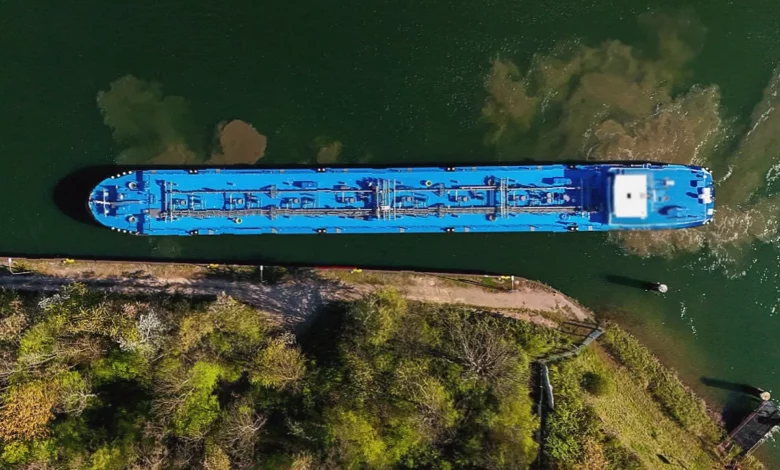
Global oil prices surged beyond the symbolic $100-a-barrel mark on Monday morning after a direct threat from the United States to blockaded the world’s most important oil shipping lane, the Strait of Hormuz.
The immediate trigger was an announcement from the US military that it would begin a blockade of all Iranian ports and coastal areas from 3pm UK time on Monday, April 13. The Pentagon stated the action was a response to the collapse of marathon peace talks between the US and Iran held in Islamabad, which saw a fragile two-week ceasefire end without agreement.
The Chokepoint
The target of the blockade, the Strait of Hormuz, is a geopolitical and economic linchpin. Approximately one-fifth of the world’s oil supply transits this narrow waterway, making any disruption a immediate threat to global energy security. The US military stated the move aimed to choke off the flow of Iranian oil, targeting Iranian vessels and ships that have paid tolls to Iran for passage.
The market’s reaction was swift. The price of Brent crude oil, the global benchmark, jumped nearly 7% to $101.74 a barrel. US crude (West Texas Intermediate) saw an even sharper increase of over 8%, reaching $104.69 a barrel. Notably, US crude was trading at a rare premium to its Brent counterpart, a signal of increased foreign demand for American oil as an alternative to supplies from the now-blockaded Arabian Gulf.
A Muted Panic
While significant, the market’s reaction on Monday was characterised by analysts as one of wary recalibration rather than outright panic. This stands in contrast to the extreme volatility seen at the outset of the conflict, when prices neared $120 a barrel and stock markets regularly plunged by 3 or 4 per cent.
On Monday, European indices fell but by smaller margins: the FTSE 100 was down 0.4%, Spain’s Ibex 35 fell 1.1%, while France’s CAC 40 and Germany’s DAX were down around 1-1.2%. The pattern suggests investors, while concerned, are far from a total “risk-off” stance.
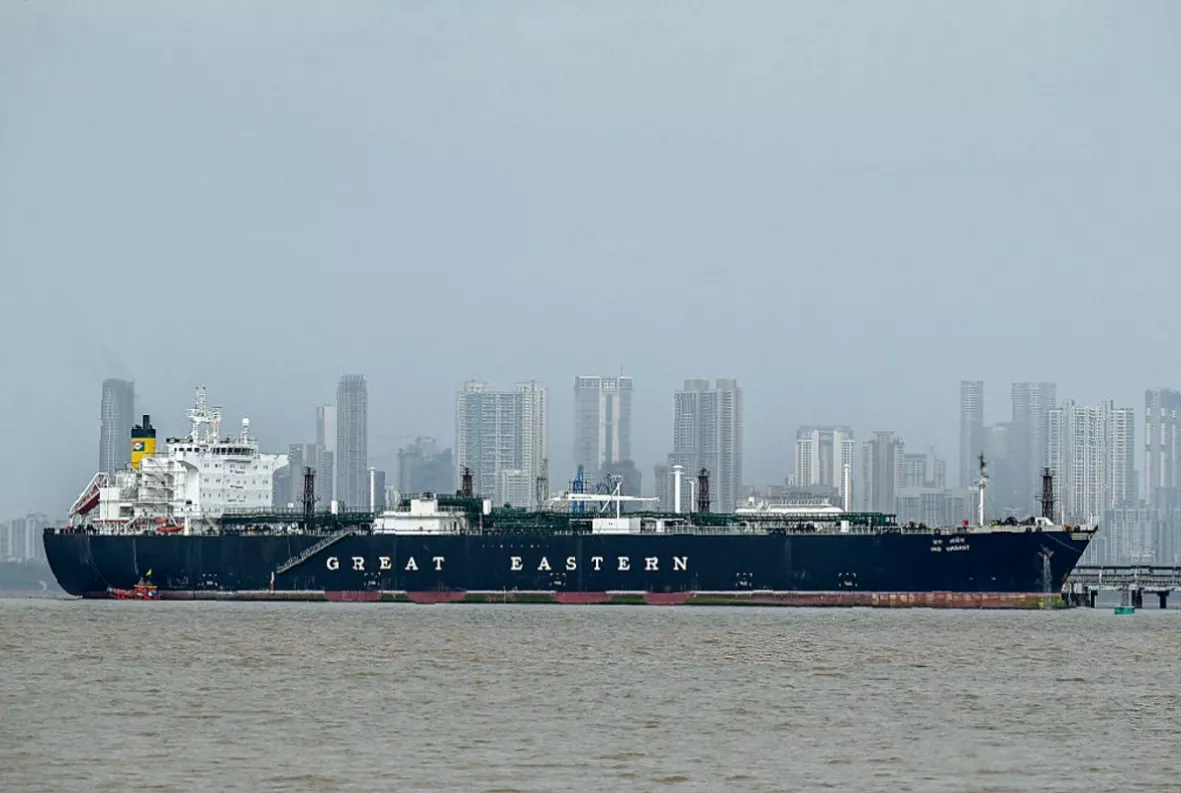
According to market experts, this tempered response is largely attributed to the track record of the US President. “The President is notorious for changing his mind and switching positions, so his threats are losing market impact,” noted Kathleen Brooks, research director at XTB. Richard Hunter, head of markets at interactive investor, echoed this, stating the “muted market reaction thus far implies that it could turn out to be a negotiation tactic.”
There is also a historical context that tempers shock. Geopolitical events in the Middle East have repeatedly triggered oil spikes, from the 1973 Arab Oil Embargo to the 1990 Persian Gulf War. Analysts suggest the current situation, involving supply destruction in a key producing region, has more in common with those historical shocks than with typical market fluctuations.
Nevertheless, inflationary concerns have been forcefully reintroduced. The price jump reversed the gains of the brief ceasefire, which had seen Brent drop from around $110 a barrel to the mid-$90s last week. The ripple effect was seen in other commodities: British wholesale gas prices soared by 11.7%, while European gas futures climbed nearly 18%.
For UK households, the sustained high cost of living was reflected in heating oil prices, which remained at around 122 pence per litre—approximately 115% higher than pre-conflict levels, when the average was 56-57 pence.
The broader picture remains one of dangerous uncertainty. With President Trump reportedly considering resuming air strikes on Iranian infrastructure, the potential for another severe price spike remains. For now, however, markets are betting on the blockade being a high-stakes gambit rather than a permanent new reality, with some expectation that further talks might yet take place.