A Sudanese national has appeared in a British court, charged in connection with the deaths of four migrants who drowned attempting to board a small boat in the English Channel. Alnour Mohamed Ali, 27, is alleged to have piloted the vessel in a crossing that ended in tragedy off the French coast last week.
Ali appeared before Folkestone Magistrates’ Court on Saturday, where he faced a single charge of endangering life. The court heard the allegation that he “did knowingly arrive in the United Kingdom by water from France without a valid entry clearance and, during the relevant period, did an act that caused, or created a risk of, the death of, or serious personal injury to, another person”. Dressed in dark clothing and speaking through an interpreter, Ali indicated a not guilty plea, telling the magistrates: “I didn’t do that.” He was remanded into custody and will next appear at Canterbury Crown Court on 11 May. The National Crime Agency, which led the investigation, arrested him at a migrant processing centre on England’s southeast coast after he had made the crossing.
The ‘taxi boat’ tactic and a deadly scramble
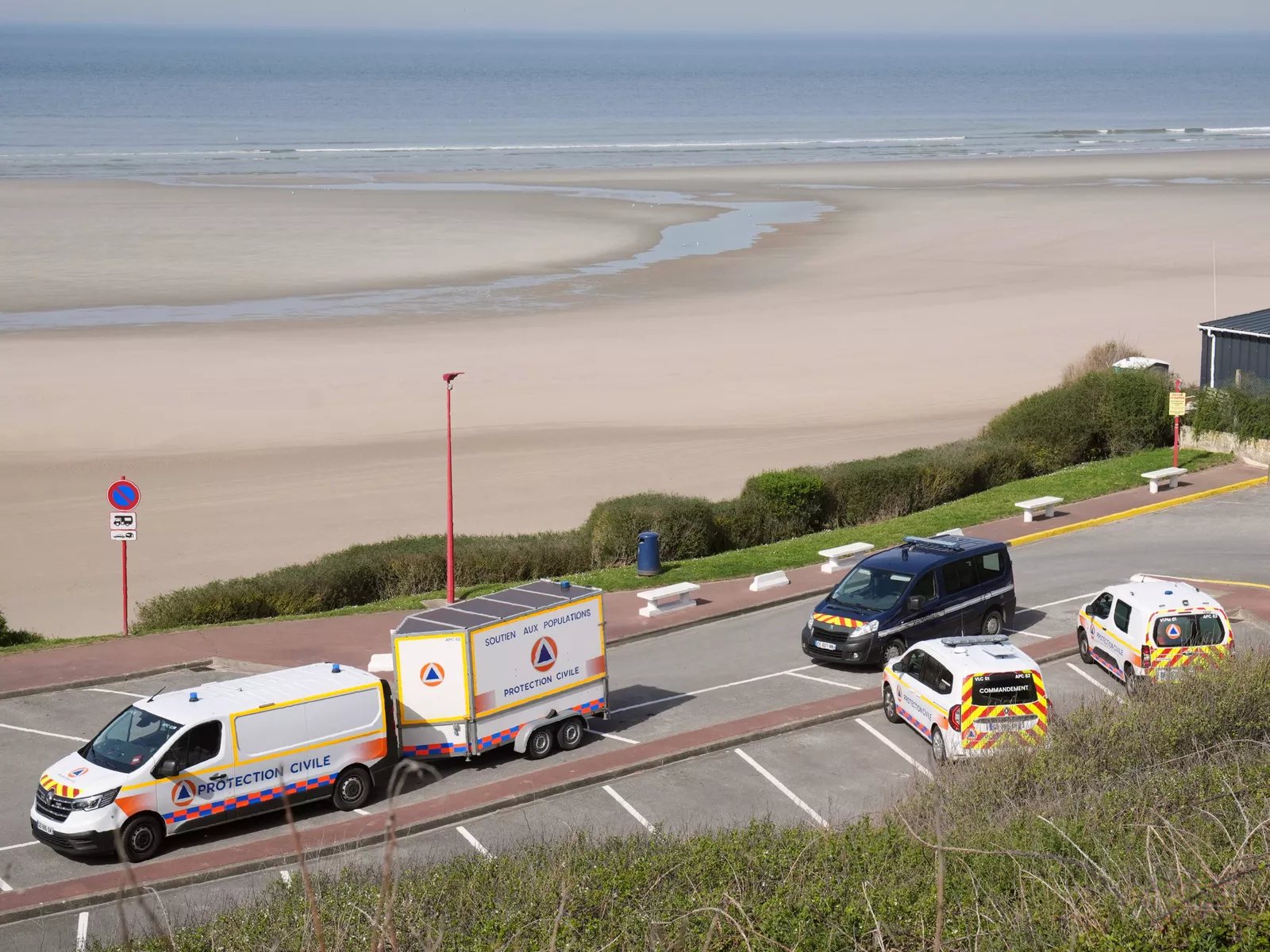
The charge stems from an incident on the evening of Thursday, 9 April, at Equihen-Plage, south of Boulogne-sur-Mer. Two men and two women died after being swept away by strong currents as they attempted to climb onto an inflatable dinghy. François-Xavier Lauch, the prefect of Pas-de-Calais, told reporters the victims were “already quite far into the sea” when the dangerous currents took them.
The crossing attempt involved a “taxi boat” smuggling tactic increasingly used to evade French police patrols. The method involves dinghies travelling along the coastline with just a driver, picking up migrants who enter the water at pre-designated, often more secluded, beaches. Smugglers launch from hidden locations dozens of kilometres from main departure points to collect passengers. Under maritime law, French authorities are constrained once migrants are in the water, as intervention must not put lives at further risk.
In this instance, French emergency services rescued 38 people from the water, returning them to shore. Among them, two children were taken to hospital as a precaution and another person was treated for hypothermia. Despite the deaths, 74 other migrants, including the alleged pilot, continued their journey to the UK. Notably, French services had conducted a training exercise for dealing with migrants in the water at the same beach just one day before the fatal event.
A new legal weapon with wide-reaching implications
The charge against Ali represents a significant application of new powers granted to UK authorities. The offence of “endangering another during a journey by sea to the UK” was introduced by the Border Security, Asylum and Immigration Act 2025 and carries a maximum sentence of up to six years in prison.
According to the Home Office, the law is designed to deter the practice of cramming people into unsafe vessels and applies to anyone involved in physical aggression, intimidation, or who resists rescue during a crossing. A critical aspect of the legislation is its extraterritorial jurisdiction, meaning it can cover incidents outside UK waters, including those who refuse rescue in French territory. The first person charged under this new law was an Afghan national, Aman Naseri, in January 2026.
Legal experts and migrant charities have raised concerns that the broad wording of the offence could, in theory, be used against parents travelling with their own children. The government maintains it is a targeted tool to prosecute smugglers and those whose actions directly endanger lives.
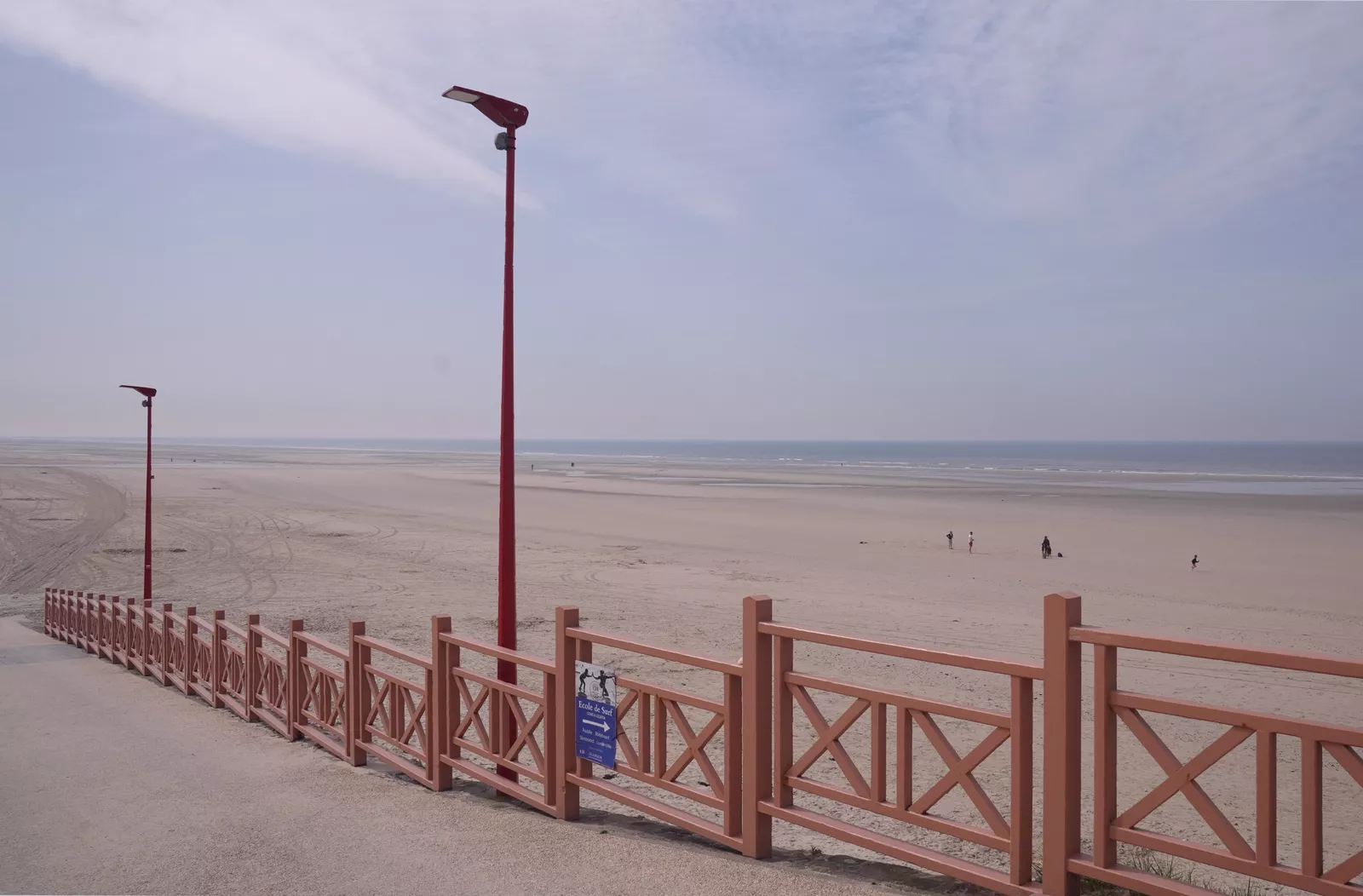
The tragedy occurs against a backdrop of persistently high Channel crossing numbers. According to Home Office data, more than 5,000 migrants have arrived in the UK via small boats so far this year, following 4,441 arrivals in the first three months of 2026. This continues a trend from 2024, which saw over 36,000 crossings—a 25% increase on 2023—and was the worst year on record for migrant deaths in the Channel, with at least 82 fatalities. The week prior to this latest incident, two other migrants died in a similar crossing attempt, reported as the first deaths of 2026.
Between 2018 and 2024, 70% of small boat crossers were citizens of Iran, Afghanistan, Iraq, Albania, Syria, and Eritrea. In 2024, 95% of arrivals claimed asylum, with an asylum grant rate for small boat arrivals of 68% between 2018 and 2024, higher than the overall rate for applicants.
In response to the deaths, the UK government said it was “deeply saddened” and would “continue working relentlessly with the French and our partners overseas to prevent these perilous journeys”. The political debate remains fierce, with the Conservative party accusing Labour of being “weak” on crossings, while Labour, which cancelled the Rwanda scheme, points to its new border security act and fresh deals with France and Germany to dismantle smuggling gangs.
Migrant charities, including the Refugee Council and Care4Calais, have reiterated calls for expanded safe and legal routes, arguing that deterrence policies have failed to stop crossings while leading to greater loss of life. The Refugee Council has specifically urged the UK and French governments to publish joint quarterly data and improve search and rescue operations.