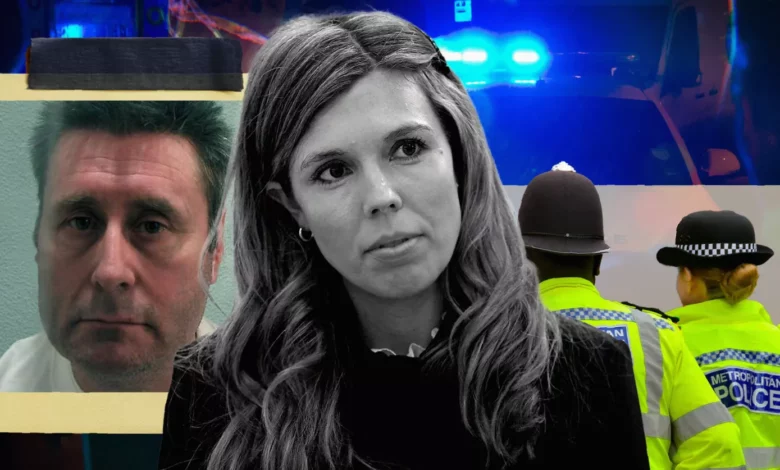
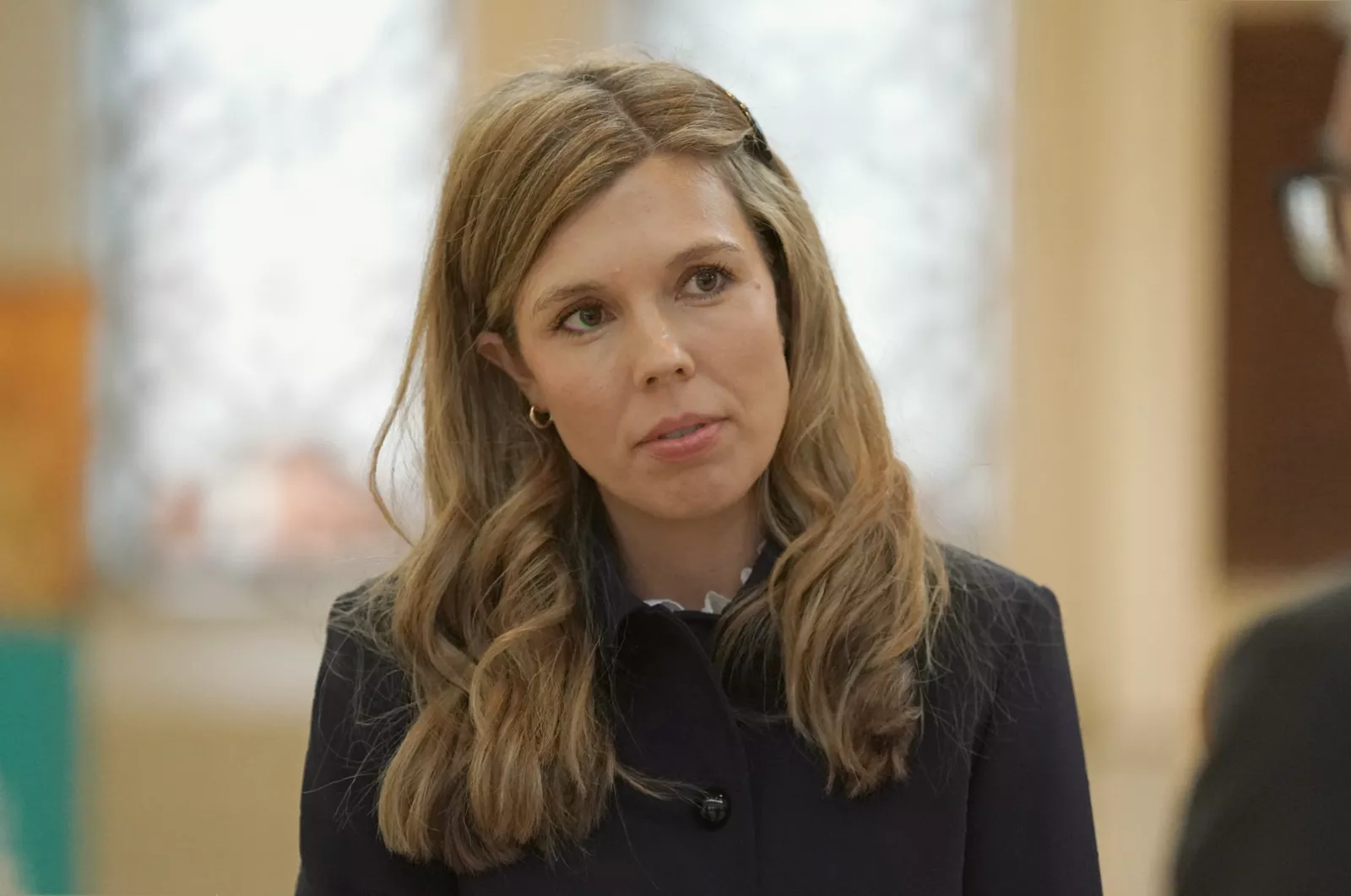
Carrie Johnson has said she fears the way police handle sexual assault and rape cases is no better today than it was nearly two decades ago, when she was attacked by the serial offender John Worboys.
The wife of former prime minister Boris Johnson, now 38, said she believes “systemic issues – such as misogyny, poor vetting and lack of accountability – haven’t been fixed”, pointing to the murder of Sarah Everard by a serving Metropolitan Police officer as evidence that the underlying problems persist. Writing in the Daily Mail, Johnson said her greatest worry is that “the police culture that meant Worboys was not caught nearly as soon as he should have been” has not changed.
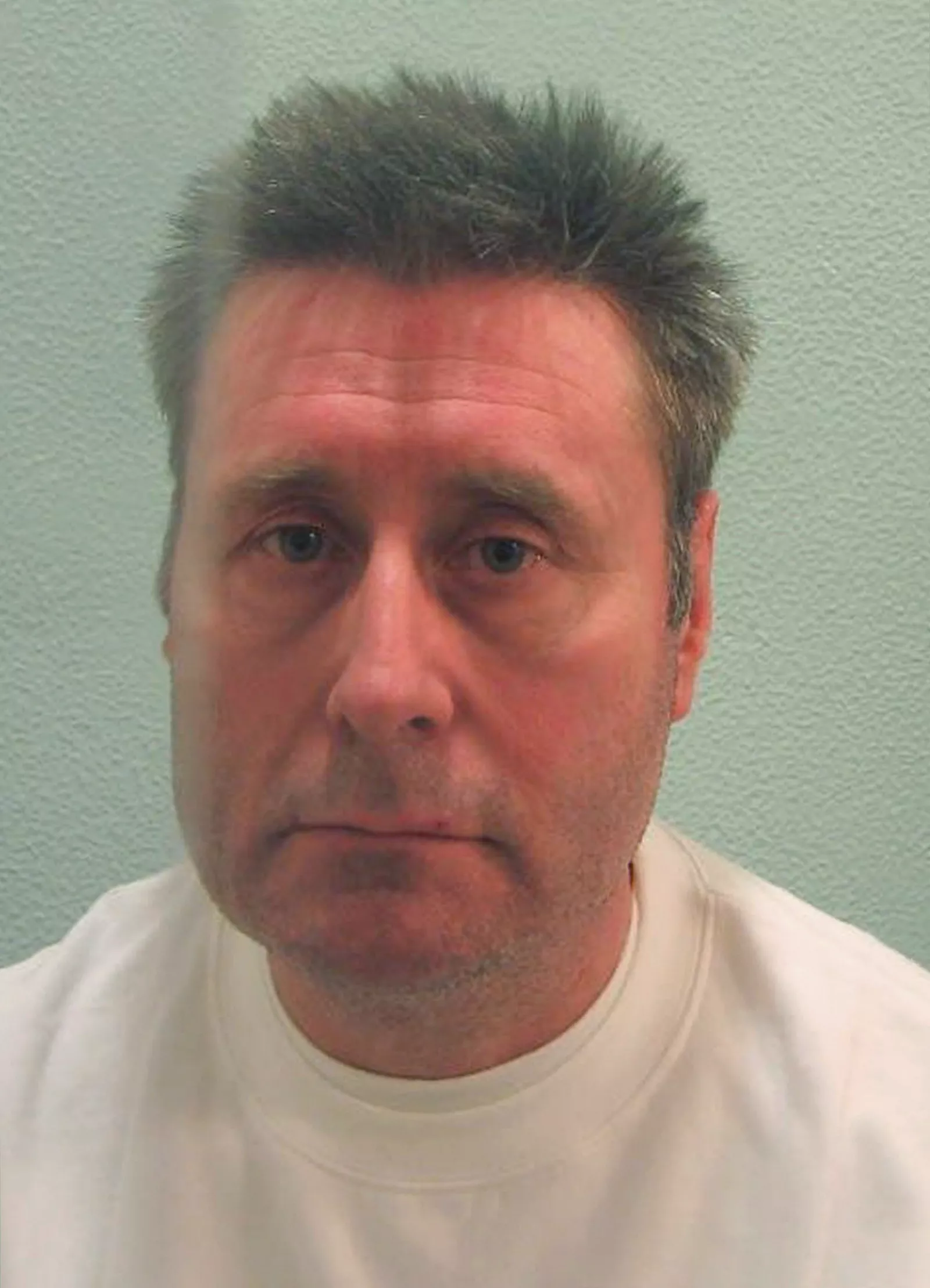
Her comments come as the Parole Board confirmed that Worboys, known as the black cab rapist, continues to pose a “high risk” of committing further serious sexual offences against women. He was refused parole in a recent ruling and will be eligible for another review in approximately two years. Johnson described the decision as a “huge relief” for survivors.
‘I was a 19-year-old university student’
Johnson has now given a detailed account of the night she became one of Worboys’ victims. She was making her way home from a night out in Chelsea when Worboys pulled up alongside her in his taxi. “He seemed concerned. He said he didn’t like to see young women on their own late at night. It could be dangerous, he warned,” she recalled. “Oh, the irony.”
Believing herself lucky, she accepted a lift home for the £5 she had left in her pocket. During the journey, Worboys launched his well-practised ruse, telling her he had “won a lot of money at a casino” and inviting her to toast his jackpot with champagne. “His manner wasn’t threatening in the slightest,” Johnson said. “Looking back now, I realise just how manipulative he was. He was a professional conman.”
At the time, date-rape drugs were far less prevalent than they became in later years, and Johnson was unaware of the danger. She managed to pour one glass of champagne onto the floor, but Worboys later returned with a bottle of vodka that had been spiked. After drinking it, she lost consciousness and woke up in the bathroom of her home, lying fully clothed in an empty bathtub.
Months later, a friend flagged a newspaper report about a black cab driver accused of drugging and raping women. Johnson contacted the police immediately, handed them the phone number Worboys had given her at the end of the journey, and identified him in a line‑up. The publicity around the case prompted additional victims to come forward, leading to his conviction.
Systemic failures that let Worboys evade justice
Worboys was first convicted in 2009 of 19 offences — including rape and attempted rape — against 12 women. He was given two life sentences with a minimum term of eight years. In 2019, after further victims came forward, he received two additional life sentences for attacks on 77 women, with a minimum term of 10 years. He has since admitted targeting 90 women in total.
Johnson argues that his ability to offend for so long was enabled by a police culture that failed to properly investigate sexual assault complaints. Her concern is echoed by the experiences of two friends she says have been raped in recent years. Both, she said, were treated with “no empathy, no respect and their cases never properly followed up”. She added: “I bet every woman has a similar story about a friend.”
The systemic issues Johnson identifies extend beyond individual police officers. She has highlighted the importance of robust vetting, pointing to Sarah Everard’s murder as a stark example of what can happen when those responsible for protecting the public are themselves abusers. Poor vetting and a lack of accountability within police forces, she believes, allowed Worboys to evade capture for years and continue attacking women.
While Johnson welcomed changes made to the parole system following the Worboys case — notably the reversal of a 2018 decision to release him, sparked by public outrage and legal challenges — she maintained that victims are still being failed at the point of reporting. “It takes enormous courage for women to come forward,” she said. “They must know that when they do, they will be treated seriously and that every effort will be made to ensure justice is done.”
Johnson’s involvement in a new ITV dramatisation of the case, titled Believe Me, was driven by a desire to give victims a voice. The programme is part of a wider campaign, “This Is Not Right“, launched by Metro on 25 November 2024 in partnership with Women’s Aid, which aims to shine a light on what they describe as a national emergency of violence against women.
The financial barriers victims face in pursuing justice have also been highlighted: one article linked to the campaign notes that it would cost an estimated £25,000 for a victim to obtain their own court transcript — a figure that many see as prohibitive.
Worboys will be considered for parole again in around two years.