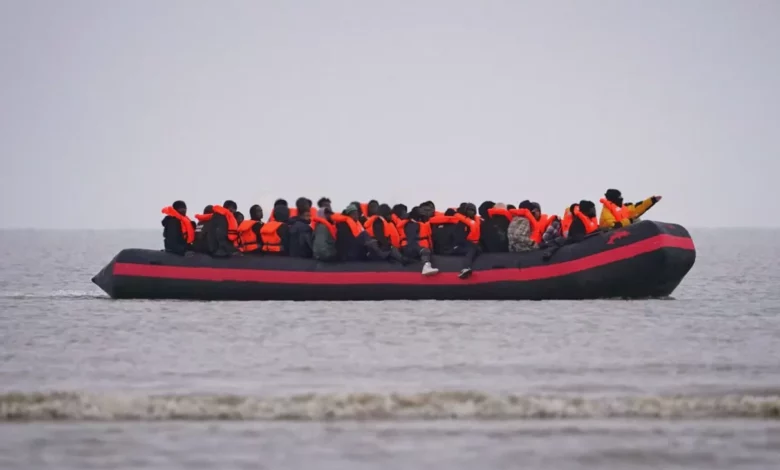
A migrant has become the first person to be convicted of endangering lives during an English Channel crossing, marking the initial use of tough new legislation designed to disrupt dangerous small boat journeys.
Tajik Mohammad, a 32-year-old Afghan national, pleaded guilty at Canterbury Crown Court on Tuesday to the offence, which only came into force weeks before his doomed crossing attempt. He will be sentenced on 10 June.
The Abandoned Dinghy
The Crown Prosecution Service (CPS) detailed the reckless actions that secured the historic conviction. On 17 January, Mohammad was piloting an overcrowded, shoddily-made inflatable dinghy across one of the world’s busiest shipping lanes in poor weather. Some of the passengers were not wearing life jackets.
Critically, prosecutors argued that when a rescue ship arrived, Mohammad abandoned the vessel’s tiller and the passengers. The CPS stated that this act of abandonment, combined with the boat’s overcrowded and unfit state and the harsh conditions, unequivocally endangered lives—a circumstance Mohammad accepted with his guilty plea.
According to the Home Office, the new offence is explicitly designed to tackle such behaviour, applying to those whose physical aggression, intimidation, or resistance to rescue creates extreme danger. The department has previously described instances of “floating crime scenes” where reckless actions have led to fatal crushes and drownings on board.
A New Legal Frontier for Channel Crossings
Mohammad was convicted under the Border Security, Asylum and Immigration Act 2025, which introduced the specific offence of endangering life during a sea crossing. The law came into force on 5 January 2026.
The Act forms a central part of the government’s strategy to curb crossings. It introduces several new crimes, including criminalising the supply of items like engines and pumps for illegal journeys, collecting information for people smuggling, and advertising crossings online. It also grants police powers to seize mobile phones from migrants suspected of involvement in organised immigration crime.
Those convicted of the endangerment offence face up to five years in prison, or six years if they are in breach of a deportation order.
The first person charged under the law was a 16-year-old Afghan national on the day it took effect. He has denied endangering 46 people on 5 January, telling a court he was “forced to do so”. Another report states an 18-year-old Afghan, Arman Naseri, was also the first charged on that date.
In a separate, fatal case, Sudanese national Alnour Mohamed Ali, 27, appeared at Folkestone Magistrates’ Court charged with endangering life after two men and two women died while attempting to board a boat he allegedly piloted on 9 April.
The Context of Rising Crossings and Danger
The new laws operate against a backdrop of persistently high and increasingly deadly Channel crossings. The year 2024 saw a 25% increase in arrivals on the previous year, with 36,816 people crossing in small boats—the second highest annual figure since records began in 2018.
It was also the deadliest year on record. According to the International Organization for Migration (IOM), at least 82 people, including 14 children, lost their lives attempting the crossing in 2024. Other reports cited 53 deaths for the year.
Afghan nationals have consistently been a significant cohort among those arriving. In the first half of 2025, they were the second most common nationality. This occurs despite a sharp drop in the asylum approval rate for Afghan claims, which fell from 98-99% in 2022-2023 to 34% by the end of December 2025, after the closure of official resettlement schemes like the Afghan Citizens Resettlement Scheme (ACRS).
The research also notes that some individuals from countries like Tajikistan, from which Mohammad takes his first name, have sought asylum in the UK citing persecution, including over religious practices such as wearing a beard.
Migrant rights groups have criticised the new offences, arguing they risk criminalising migrants themselves rather than targeting the smuggling gangs. The government maintains the legislation is a crucial tool to protect lives and secure borders, arguing that deterring reckless journeys is necessary to prevent further tragedies in the Channel.