NDIS funds diverted to aged care for shower upgrades; fourth suspect in Baghsarian case charged

Thousands of traffic fines issued by artificial intelligence cameras in Western Australia have been withdrawn in the six months since the controversial system went live, with the state government waiving approximately $1 million in penalties.
Since the AI cameras were activated in early October, more than 53,000 seatbelt infringements worth over $29 million have been issued to drivers. The state’s transport department has withdrawn about 2,050 of those fines. According to WA police and road safety minister, Reece Whitby, less than 4% of all seatbelt fines issued had been withdrawn, and he insisted the “vast majority of fines are accurate.”
The minister told ABC Radio the cameras were saving lives and the system was working. “These new safety cameras have actually changed (driver) behaviour … on our roads,” he said. “We’re seeing offences being picked up at a scale we’ve not seen before because the cameras actually look down into the (vehicle) cabin. That’s a good thing.”
However, a significant proportion of appealed fines have been successful. A total of 3,381 fines were appealed, with about 60% of those cancelled. Some fines were waived for drivers who received multiple infringements in quick succession without being aware of the technology, and there have been instances where drivers were fined for passengers not wearing seatbelts correctly. The Road Safety Commission has conducted a review into the AI seatbelt cameras following reports of significant fines being issued, but Minister Whitby confirmed the rollout of more AI traffic cameras would continue.
NDIS savings to fund aged care basics
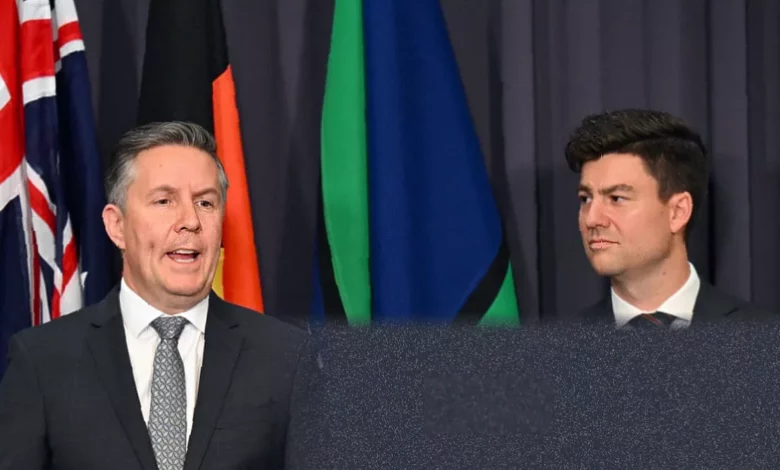
In a major policy shift, savings from the National Disability Insurance Scheme are set to be reallocated to fund essential aged care services. Health Minister Mark Butler will detail the changes on Wednesday, revealing that funds will help older Australians with basic personal care like showering, dressing support and continence management.
The government is winding back elements of its aged care reforms by removing out-of-pocket costs for non-clinical services in the Support at Home scheme. The Minister for Aged Care, Sam Rae, said the changes will be effective from 1 October this year. “Showering, dressing, continence care – these aren’t optional extras. They’re the basics of ageing with dignity, and no older Australian should miss out because of cost,” Rae said. “Older Australians, their families and providers told us these services needed to be protected. We’ve listened, and we’re acting.”
This move comes amid broader reforms following the Royal Commission into Aged Care Quality and Safety, with a $4.3 billion program designed to help older Australians stay at home longer. However, the government has faced criticism from advocates for elderly people, experts and aged care providers, who argue these services are essential for independence. There have also been concerns about the new Support at Home program, with reports of long wait times and flawed algorithmic assessments.
Greens and crossbench condemn NDIS “cuts”
The proposed savings from the NDIS have been met with fierce opposition. Greens spokesperson for disability inclusion, Jordon Steele-John, said there was “no confidence” in the community regarding the measures, arguing the government was choosing to cut services rather than increase taxes on gas exporters or wealthy individuals.
“People cannot understand… why a government facing a budget, which is ultimately always about choices, would choose to cut their services rather than make the gas exporters pay their fair share of tax,” Steele-John told RN Breakfast. He warned that disabled people and their families were “sick of being used as political footballs” and that cuts could leave individuals without supports needed to live.
Independent Senator David Pocock has echoed calls for alternative revenue, urging the government to put “Australians ahead of gas companies” by implementing a 25% tax on gas exports. “We’re one of the biggest gas exporters in the world, and yet we feel poor every time gas prices go up internationally,” Pocock said on ABC’s 7.30. He argued such a tax could raise an estimated $17bn in a normal year and reduce gas prices domestically.
The government’s approach to NDIS savings includes tightening eligibility rules for children under 18 and requiring mandatory character checks for providers, aiming to bring the scheme back to its original goal of supporting those with “permanent and significant disabilities.” The NDIS, currently supporting over 760,000 participants, is projected to cost $63 billion by 2028-29.
Fourth man charged over alleged mistaken identity murder
New South Wales police have charged a fourth man over the alleged kidnapping and murder of 85-year-old Chris Baghsarian. Police arrested a 19-year-old man at Mt Druitt police station on Tuesday morning.
He was charged with murder and take/detain in company with intent to ransom occasion actual bodily harm. The man was refused bail to appear in Mt Druitt local court on Wednesday.
Mr Baghsarian disappeared from his North Ryde home on 13 February. His remains were found on 24 February near a golf club in Pitt Town. Police, operating under Strike Force Chabot, do not believe he was the intended target of the kidnapping but was taken in a case of mistaken identity. Three other people have already been charged with his murder.