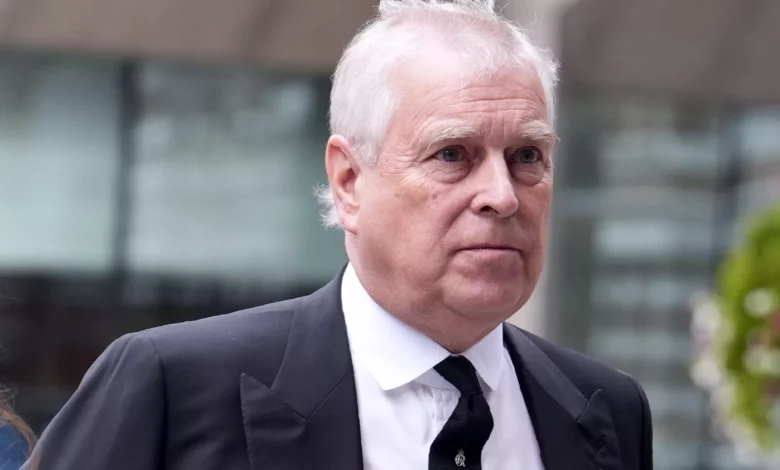
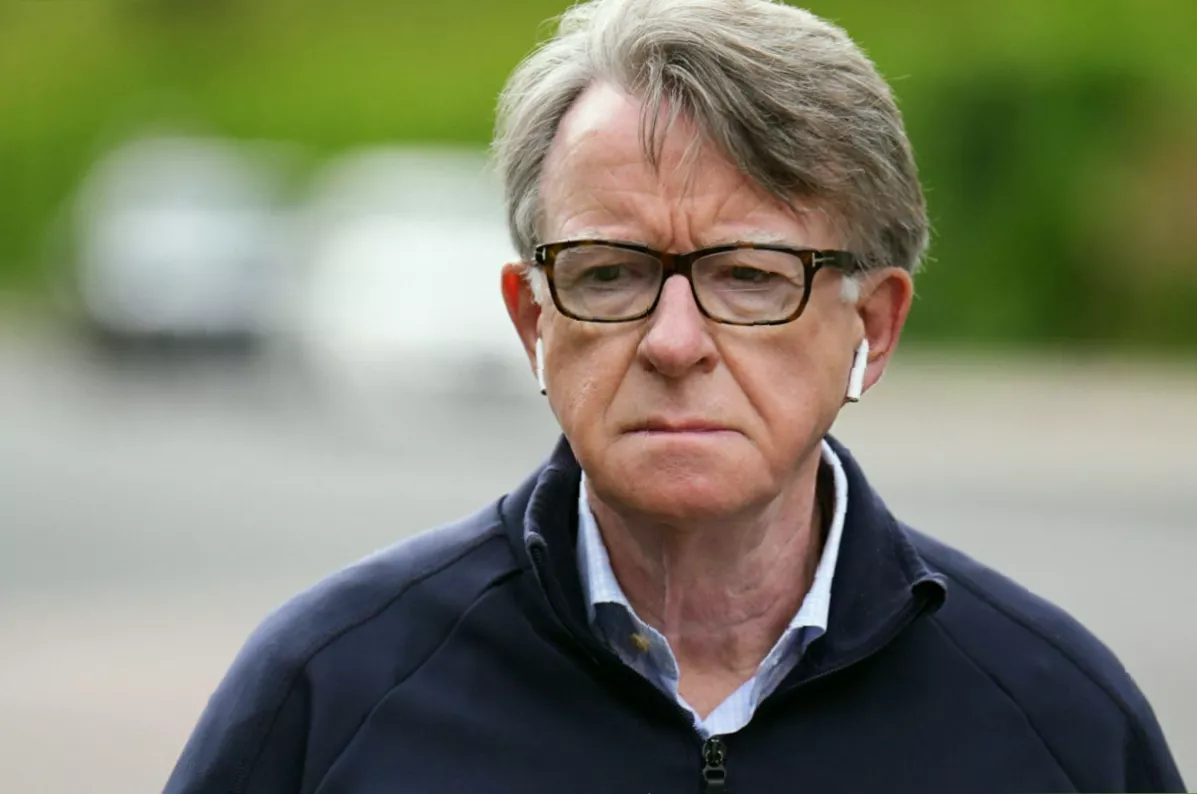
Investigations into Lord Peter Mandelson and Andrew Mountbatten-Windsor over their ties to Jeffrey Epstein could take more than a year to conclude, the Director of Public Prosecutions has confirmed, as the sheer complexity and international reach of the cases threaten to stretch the timeline well beyond initial expectations.
Stephen Parkinson, the DPP for England and Wales, said on Thursday that anyone expecting an early resolution should adjust their assumptions. “It wouldn’t be at all surprising if it took over a year, not because of any lack of urgency, but because of the complexity, and also the international dimension is an extra factor to be considered,” he explained. “Formal procedures have to be gone through that sometimes involve courts, and that can have significant delay.”
Both men were arrested in February 2026 on suspicion of misconduct in public office – a common law offence that carries a maximum penalty of life imprisonment – and were subsequently released under investigation. The Metropolitan Police has searched two of Lord Mandelson’s properties as part of its inquiries, while Thames Valley Police is examining allegations relating to Andrew Mountbatten-Windsor, including claims that a woman was trafficked to the UK by Epstein for a sexual encounter at Royal Lodge in 2010, and that a second woman was also allegedly brought to the country for a similar purpose. Officers are also reviewing allegations of sex trafficking and misuse of public funds for personal expenses such as massages and luxury travel during his trade envoy role.
DPP’s role and the road ahead
The Crown Prosecution Service has been providing what Mr Parkinson described as “early investigative advice” to the police since the outset. “As we’ve confirmed, we’re providing early investigative advice and we have been, you know, from the very early stage,” he said. But he stressed that the police remain in charge of the investigations and are under no obligation to consult the CPS until a full file of evidence is submitted. “We only become formally engaged when the full file of evidence is sent to us,” he added. “At that point we, as it were, seize control of the case but in complex cases, and this is one of those, it is well understood that the police would benefit from the input that we can provide and that has been happening at the outset.”
Mr Parkinson, the first solicitor to hold the post of DPP, noted that the investigations involve “vast quantities of data” and may lead to further lines of inquiry. He warned that formal procedures, sometimes requiring court involvement in other jurisdictions, can cause significant delays even when some evidence can be obtained quickly. “Notwithstanding that in some cases you can get evidence back in an hour, that’s not always the case,” he said.
The international dimension driving delays
The international element is a central factor in the prolonged timeline. Sir Mark Rowley, head of the Metropolitan Police, previously attempted to secure unredacted Epstein files from the US Department of Justice but was unsuccessful, necessitating lengthy formal processes through diplomatic and legal channels. The release of US Justice Department documents is understood to have been the catalyst for the investigations, with emails and other records forming the basis of the allegations against both men.
For Lord Mandelson, who served as Business Secretary between 2009 and 2010, the allegations centre on claims that he passed sensitive, potentially market-moving government information to Epstein during that period. This reportedly included an internal government report on raising money after the 2008 financial crisis and discussions about lobbying to reduce a tax on bankers’ bonuses. He is also accused of leaking Downing Street emails to Epstein. Lord Mandelson has denied any wrongdoing, including any allegations of sexual misconduct, and stated that he never acted for personal gain. He was dismissed as UK Ambassador to the US in September 2025 after emails showing support for Epstein following his 2008 conviction were published, and he subsequently resigned from the Labour Party and the House of Lords.
Andrew Mountbatten-Windsor – formerly Prince Andrew, Duke of York – served as the UK’s Special Representative for International Trade and Investment from 2001 to 2011, stepping down amid scrutiny over his friendship with Epstein. He has consistently denied any wrongdoing. The allegations against him include claims that he shared confidential government information with Epstein, with emails suggesting he sent the financier reports from a 2010 tour of Southeast Asia. He was stripped of his royal titles by King Charles III in October 2025 following the ongoing controversy surrounding his links to Epstein. The King has publicly supported the police investigation into his brother, and Buckingham Palace has said it is ready to support any police inquiry.
Documents released in May 2026 indicate that formal security vetting and due diligence were not carried out before Andrew Mountbatten-Windsor’s appointment as trade envoy in 2001, despite the late Queen Elizabeth II being “very keen” for him to take the role. There were warnings about his “high public profile” requiring “careful and sometimes strict media management.”
Mr Parkinson emphasised that the extended timeline is not a sign of lack of urgency. “Complex, time-consuming but no lack of urgency around that case,” he said.