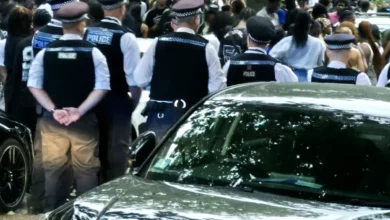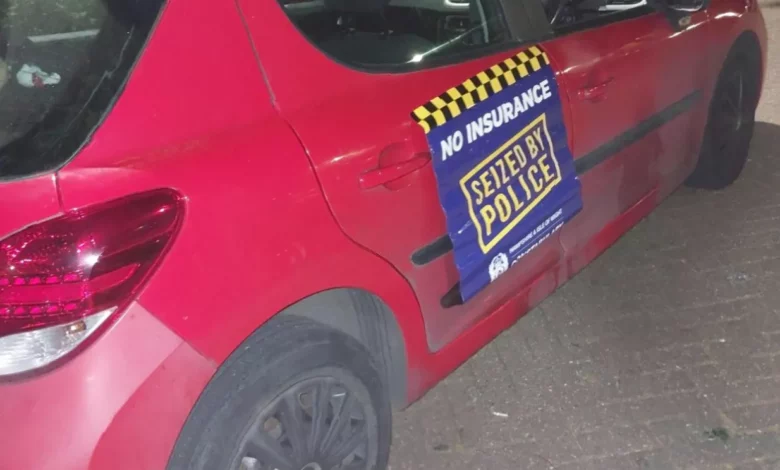
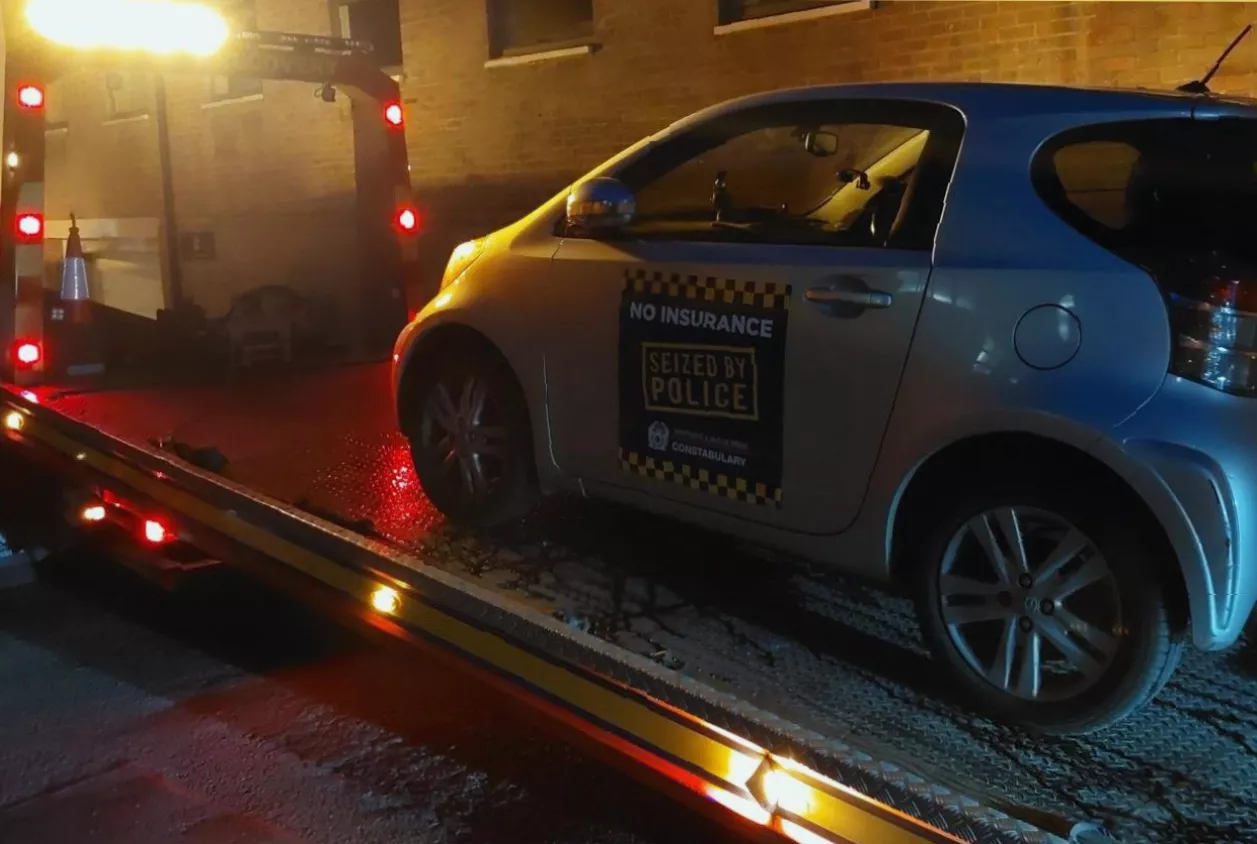
Police have arrested 85 suspects and seized 85 vehicles, 11 weapons and £10,840 in cash during a three-day blitz targeting drug crime and organised gangs across London and the rest of the country, the Metropolitan Police has confirmed.
The operation, which ran over the course of last week, involved eight police forces and relied heavily on Automatic Number Plate Recognition (ANPR) technology to identify individuals suspected of a range of serious offences. Those arrested are believed to be linked to county lines drug supply, possession of weapons, theft and modern slavery.
Footage from one arrest shows a Metropolitan Police officer chasing and knocking down a suspect riding a motorbike bearing an L-plate before taking him into custody.
Superintendent Francessca-May Robinson, who led the operation, said: “The result from the operation demonstrates the Met’s continued commitment to disrupt and dismantle organised crime groups operating across London. Our multi-force approach and the ANPR technology enabled officers to identify offenders, target criminal networks and remove those causing harm from our streets. This operation highlights the strength of intelligence-led policing and our determination to tackle drug supply at every level. We remain relentless in our mission to make communities safer. We hope our continued presence in north west will work as a deterrent for those who seek to cause fear and harm in the area.”
How ANPR technology works and its role in fighting crime
At the heart of the operation was ANPR – a system that uses specialised cameras to read vehicle number plates and instantly compare them against law enforcement databases. The technology can flag stolen cars and uninsured vehicles, both of which are frequently used by criminal networks to move drugs, weapons and people across the country.
ANPR is employed across the UK to detect, deter and disrupt criminal activity, including that carried out by travelling criminals, organised crime groups and terrorists. Data from the cameras is collated into a central database and retained for a set period, with access controlled by strict rules. For investigators, it provides crucial lines of enquiry and evidence, and can dramatically speed up cases by linking vehicles to crime scenes or known suspects.
The Metropolitan Police operates more than 110 ANPR-equipped vehicles that patrol London’s streets, contributing to roughly 1,500 arrests each year for offences including robbery, firearms possession and drug trafficking. The technology has proved its worth in previous operations: in December 2020 a similar ANPR-driven crackdown resulted in 75 arrests, the seizure of eight vehicles and the recovery of 18 weapons. Another operation in July 2020 across Kent, London and Essex netted 32 arrests and more than £40,000 in cash.
The success of last week’s operation strengthens the case for expanding such surveillance tools – a move that has already been endorsed by the High Court in a separate legal battle over facial recognition cameras.
Facial recognition legal challenge dismissed
Two individuals, Shaun Thompson and Silkie Carlo of the campaign group Big Brother Watch, had brought a judicial review against the Metropolitan Police’s use of live facial recognition (LFR) technology. Thompson, an anti-knife crime campaigner, was wrongly identified by LFR cameras outside London Bridge station in February 2024, leading to his detention and a threatened arrest. He described the experience as “stop and search on steroids”.

The pair argued that facial recognition is “similar to a DNA profile” and that plans to install permanent cameras in the capital would make it “impossible” for Londoners to move about without their biometric data being captured and processed. They claimed the technology breached human rights and was discriminatory.
However, the High Court dismissed the challenge, ruling that the Met’s policy on LFR is lawful and contains adequate safeguards against abuse. The court found that claims of discrimination were not sufficiently substantiated. Thompson has since pledged to appeal the ruling.
Met Commissioner Sir Mark Rowley called the decision a “significant and important victory for public safety” and a “breakthrough for policing”. The force maintains that LFR is highly accurate and says it has made more than 2,100 arrests using the technology since the start of 2024, including over 100 sex offenders. According to the Met, around 80% of Londoners support the use of live facial recognition.
The ruling is widely seen as a boost for government plans to expand LFR across the country, with proposals to increase the number of LFR vans from ten to fifty.